

| IN A NUTSHELL |
|
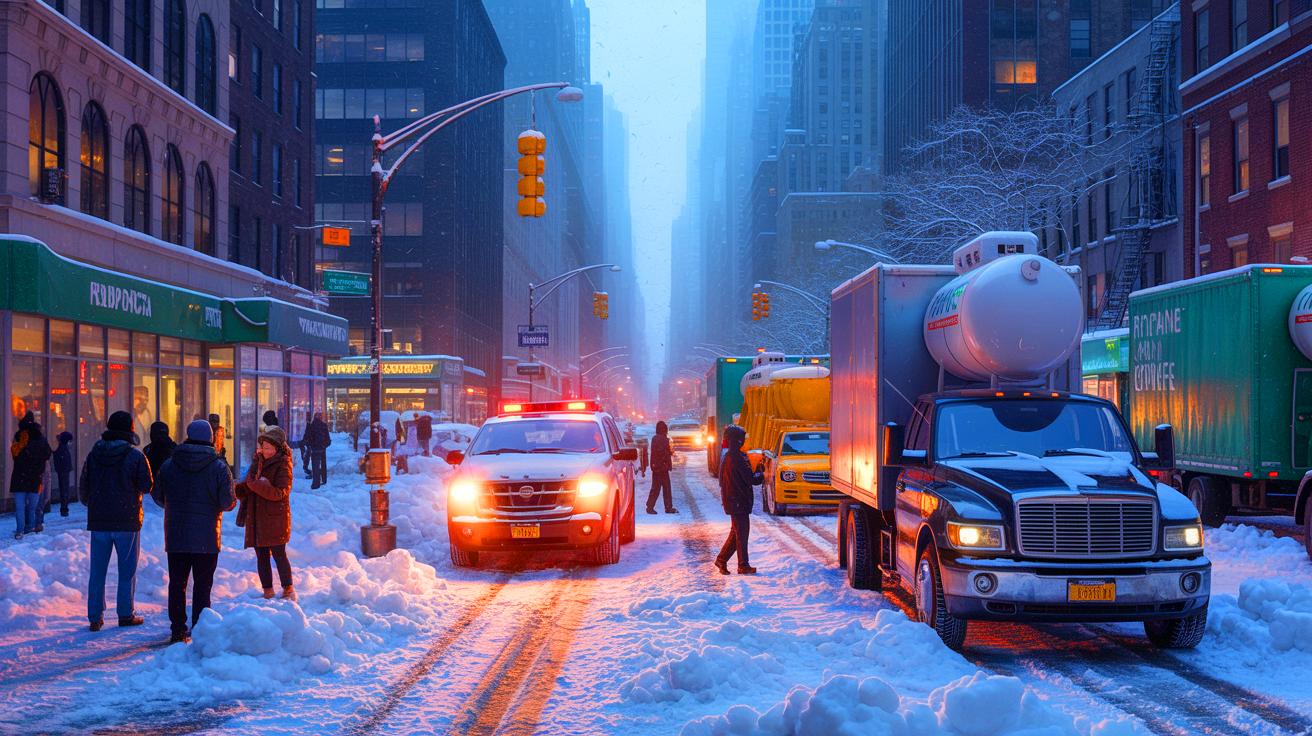
The northeastern United States is currently grappling with an energy emergency as a severe cold snap threatens to disrupt heating fuel supplies. The situation was triggered by a recent outage at one of the region’s largest underground heating fuel storage facilities, leading to emergency transport orders across four states. In an urgent response, the U.S. Department of Transportation has temporarily eased regulations to ensure the delivery of propane to thousands of customers in New York, New Jersey, Delaware, and Pennsylvania. As the cold intensifies, concerns are mounting over potential price surges and supply shortages during this critical winter period.
Emergency Measures to Maintain Fuel Supply
In a decisive move to address the crisis, the U.S. Department of Transportation issued a declaration on December 12, waiving certain regulations for truck drivers transporting propane. This federal response allows drivers to work longer hours than typically permitted, a necessary step to expedite the distribution of heating fuel amid the harsh weather conditions. The declaration complements similar actions taken by the governors of New Jersey and Pennsylvania, who have already relaxed state-level trucking restrictions to facilitate the flow of essential commodities. These measures are vital for ensuring that homes and businesses continue to receive the propane they need to keep warm.
The emergency orders will remain in effect until December 26 or until the situation stabilizes. The timing of this crisis, coinciding with peak winter demand, has exacerbated concerns about the potential impact on heating fuel prices. As propane is a crucial heating source for many households in the region, the possibility of prolonged disruptions could have severe consequences for both consumers and the broader energy market.
Root Cause: A Transformer Incident at Marcus Hook
The current supply disruption can be traced back to an electrical incident at the Marcus Hook terminal in Pennsylvania, operated by Energy Transfer LP. On November 19, a transformer malfunction incapacitated the facility’s ability to load propane onto trucks for three days. This led to the declaration of force majeure, significantly impacting the supply chain. As a result, Energy Transfer customers have been placed on allocation, receiving only 70% of their contracted propane loads.
The Marcus Hook terminal typically operates around the clock, distributing propane from its vast underground storage caverns. However, due to the incident, access to these resources has been limited to just 12 hours a day, creating bottlenecks and extending wait times for distributors. The Pennsylvania Propane Association has highlighted these challenges, noting that the situation has primarily affected truck-based propane distribution. Despite these obstacles, propane continues to flow southward from the northeast to Mont Belvieu, Texas, where it enters the high-priced export market.
Implications for Propane Prices and Supply
Despite the challenges, the impact on wholesale propane prices in the U.S. Midwest has been minimal. According to Amy Strahan of Argus Media, the timing of the incident is unfortunate, but it has not significantly affected wholesale market dynamics. Nonetheless, the potential for increased retail prices remains a concern, particularly as the U.S. Energy Information Administration (EIA) has revised its Winter Fuels Outlook. The agency now anticipates a colder winter with higher natural gas and propane prices than originally forecast in October.
Production and export levels further complicate the situation. In early December, U.S. refiners and gas plants produced 2.9 million barrels of propane and propylene daily, while exports reached 2.1 million barrels per day. This export activity underscores the global demand for U.S. propane, which can influence domestic availability and pricing. As the cold snap continues, the balance between domestic supply and international demand will be critical in determining the economic impact on American consumers.
US Judge Rules Trump’s Wind Energy Ban Illegal, Sparking New Hope for Renewable Energy Advocates
Prospects for Resolution and Long-Term Considerations
The current emergency highlights the vulnerabilities in the region’s energy infrastructure and the critical importance of maintaining robust supply chains. As authorities work to resolve the immediate crisis, questions arise about how to prevent similar disruptions in the future. Investments in infrastructure resilience and strategic storage capacities could be essential steps in mitigating the risks of severe weather events.
Moreover, this situation prompts a broader discussion about energy security and the need for diversified energy sources. As climate change continues to influence weather patterns, preparedness for extreme conditions will be crucial for ensuring stable energy supplies. Policymakers and industry stakeholders face the challenge of balancing short-term responses with long-term strategies to safeguard against future disruptions.
As the northeastern U.S. navigates this energy emergency, the focus remains on restoring stability and meeting the heating needs of residents. The unfolding situation serves as a reminder of the delicate interplay between energy supply, infrastructure, and environmental factors. How will this crisis shape future energy policies and preparedness measures to ensure resilience against similar challenges? The answers may redefine the region’s approach to energy security in the years to come.



Why does this always happen during the coldest days of the year?! 🥶
Wow, I can’t believe we’re facing another energy crisis! 😮 How are local governments handling this?
Why wasn’t there a backup plan in place for such emergencies? Seems like we should’ve been prepared.
Thanks for the informative article. It’s concerning how fragile our infrastructure can be.
Thank you for the detailed article. It’s alarming, but very informative.
Is there any plan to improve the supply chain for the future?
So, are we looking at higher heating bills this winter? Not exactly the holiday gift I wanted. 😢
Wow, didn’t realize how critical propane was until now.
What measures can residents take to conserve energy during this crisis?
Great article, but it feels like we have seen this story play out before. Are we learning from past mistakes?
How does this affect the price of other energy sources like natural gas? 🤔
Is there any possibility of federal aid to help with the increased heating costs?
Shouldn’t we be investing more in renewable energy to avoid these problems?
Interesting read! How does the export market affect our domestic propane supply exactly? 🤔
Propane issues again? Sounds like deja vu. 😒
Another example of how our infrastructure is not keeping up with the times. SMH.