




| IN A NUTSHELL |
|
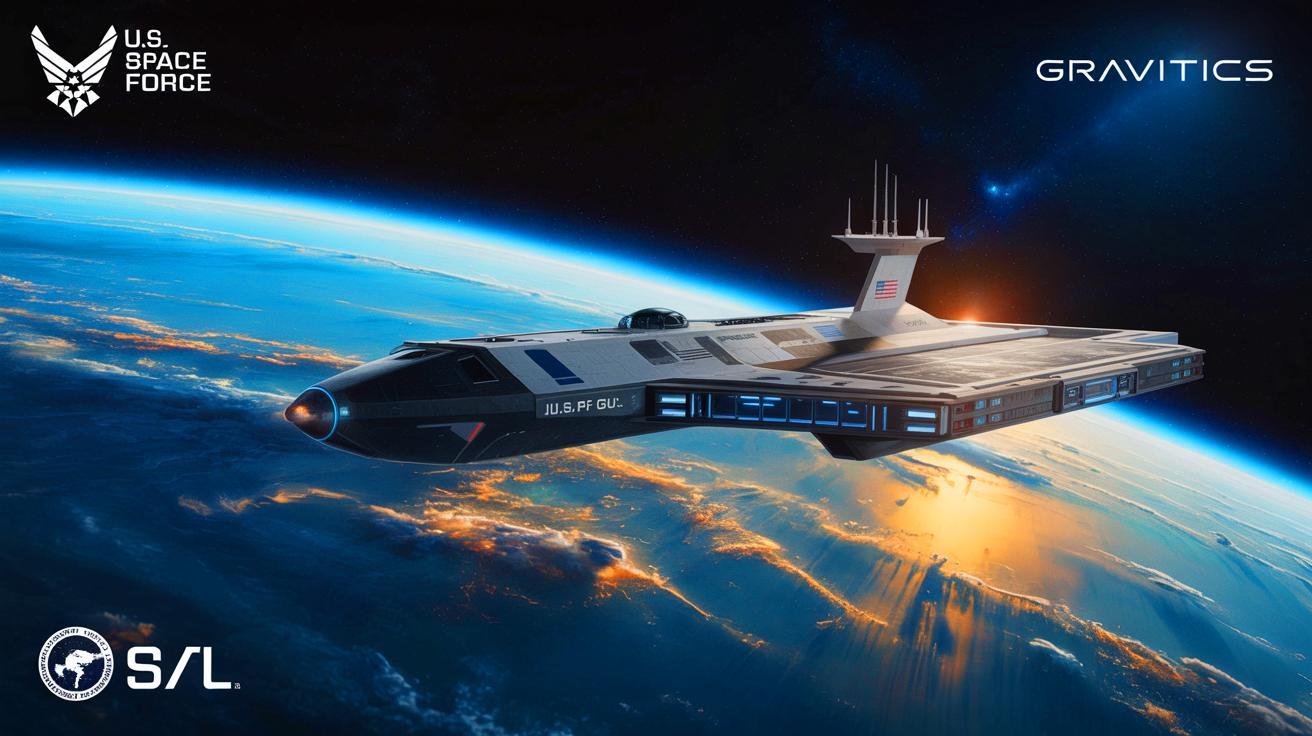
The United States is embarking on a groundbreaking venture in space technology, poised to change the landscape of satellite deployment. At the heart of this endeavor is the development of an orbital aircraft carrier by Gravitics, in partnership with the U.S. Space Force. This project underscores America’s strategic focus on space as a vital domain and highlights the increasing collaboration between private entities and national defense agencies. As international tensions rise, the U.S. is making a bold move to ensure its leadership and secure its position in the cosmic frontier.
The Vision Behind the Orbital Aircraft Carrier
Gravitics, in conjunction with the U.S. Space Force, is leading an ambitious $60 million project to create an orbital aircraft carrier that aims to transform satellite deployment. This innovative platform will facilitate the direct launch of satellites from Earth’s orbit, providing a quicker and more flexible response to national security challenges. By bypassing the conventional rocket launch process, this concept offers a considerable strategic benefit for military operations.
The orbital carrier initiative aligns with the U.S. military’s goal to maintain a strong orbital presence amid the looming threat of a space arms race. By having a pre-positioned platform in orbit, the U.S. can deploy satellites as needed, addressing both immediate and future security needs. This advancement in space technology underscores the United States’ dedication to retaining leadership in this critical domain, placing it at the forefront of global space capabilities.
Enhancing Space Security and Superiority
Gravitics’ orbital aircraft carrier is engineered to house multiple satellites in an unpressurized environment, ensuring their protection from the harsh conditions of space. This safeguarding of sensitive electronics and batteries is vital in an era characterized by electronic warfare and cyber threats. By isolating and protecting satellites, the U.S. gains a strategic advantage in bolstering its space security capabilities.
Moreover, the orbital carrier’s ability to conceal satellites from adversaries offers a tactical edge. Gravitics CEO Colin Doughan describes the carrier as a “game-changer” that aligns seamlessly with the Space Force’s mission of achieving orbital dominance. This project not only enhances military capabilities but also sets a precedent for future technological advancements in space exploration.
Public-Private Partnerships and Their Impact
The development of the orbital aircraft carrier highlights the growing significance of public-private partnerships in the space sector. Gravitics, alongside Axiom Space, is also working on a pressurized space module, demonstrating its commitment to both national defense and commercial solutions. This dual approach underscores Gravitics’s alignment with the Department of Defense’s objectives and its growth trajectory.
Collaborations between private companies and government entities are essential for integrating innovative technologies into national defense strategies. By working together, these partnerships strengthen the U.S.’s position in space while fostering the development of technologies with potential civilian applications. The success of these collaborations could open new market opportunities and further advancements in space technology.
The Future of Space Exploration
With the advent of technologies like the orbital aircraft carrier, a new era of space exploration and utilization is on the horizon. This technological leap has the potential to revolutionize security, surveillance, and communication paradigms, affecting not only military operations but also private sector involvement. The implications are vast, signaling a shift in how space is utilized and governed.
As the U.S. Space Force and companies like Gravitics prepare to face future challenges, questions about international space cooperation arise. How will these innovations influence diplomatic relations between nations? More importantly, how can we ensure that space remains a domain of shared peace and progress, benefiting all of humanity?
The development of an orbital aircraft carrier by Gravitics and the U.S. Space Force marks a significant milestone in the evolution of space technology. This initiative not only strengthens America’s strategic position but also invites new opportunities for collaboration and innovation. As we look toward a future where space plays an increasingly pivotal role, one question remains: how will these advancements shape our world and the cosmos beyond?




Wow, an orbital aircraft carrier! Are we entering a new era of Star Wars? 🚀
Isn’t this project a bit too ambitious? Hope it doesn’t backfire. 🤞
Thanks for the article. This is a fascinating development in space tech!
Why is the U.S. investing $60 million in this? Are there no pressing issues on Earth? 🤔
Sounds like science fiction! Can’t wait to see how it unfolds.
How does this initiative affect international space treaties?
Love seeing public-private partnerships in action. Go Gravitics! 👍
Does this mean we might have a space army soon? Kinda scary, tbh.