




| IN A NUTSHELL |
|
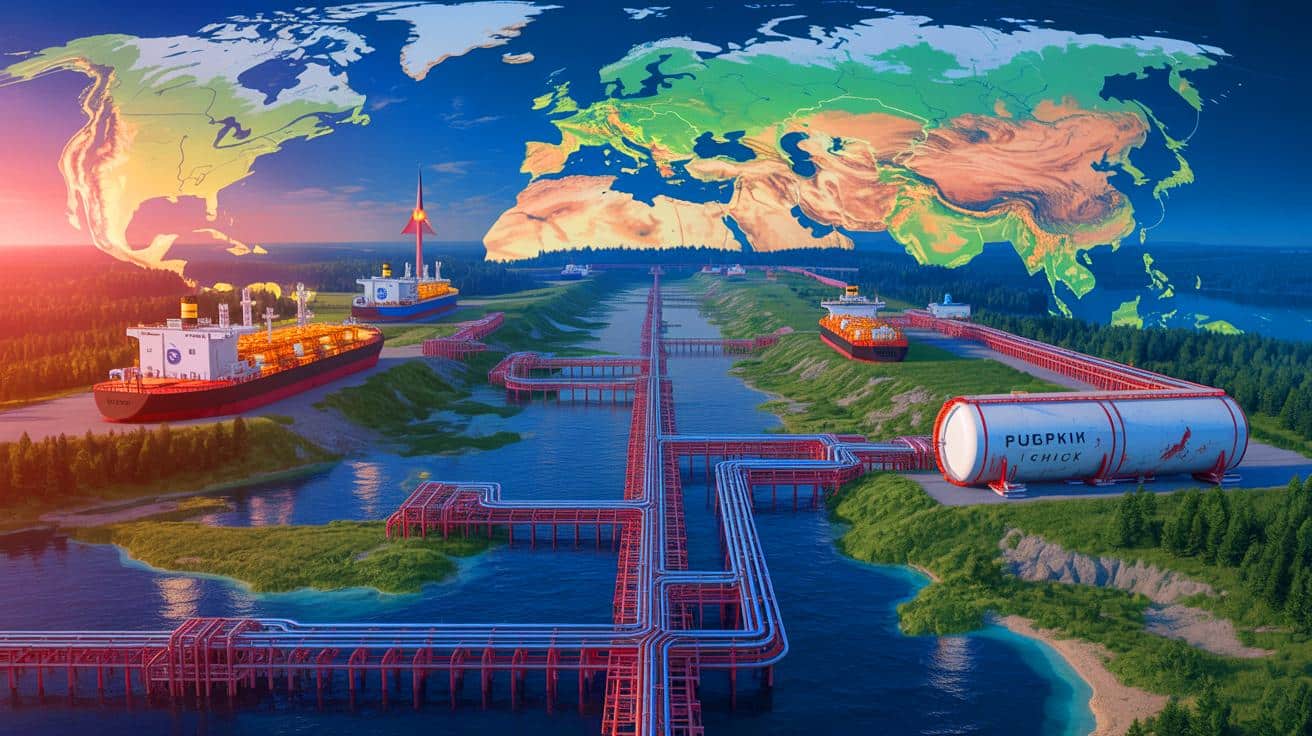
In recent developments, Russia has labeled Ukrainian strikes on the Caspian Pipeline Consortium (CPC) and tankers as “acts of terrorism.” The Russian government has highlighted the significance of these facilities, which are crucial to maintaining global energy security. These infrastructures have not faced any prior international restrictions, making the attacks particularly concerning for stakeholders worldwide. As tensions between Russia and Ukraine escalate, the ripple effects are being felt across global energy markets. This situation raises questions about the potential long-term impacts on international energy supply and geopolitical stability.
Russia’s Response to the Attacks
Russia’s response to the Ukrainian strikes was swift and severe. Government officials have called these acts direct threats to global energy stability. The accused attacks on the Caspian Pipeline Consortium and associated tankers are viewed by Russia as aggressive actions undermining international energy security.
The Russian government has emphasized that these facilities are entirely civilian in nature. They serve as crucial nodes in the global energy supply chain. This assertion seeks to underline the non-military nature of the infrastructure, highlighting their importance in the broader context of international energy distribution.
By labeling these actions as terrorism, Russia is likely aiming to garner international support and frame Ukraine as a destabilizing force. This framing serves both diplomatic and strategic purposes, potentially influencing international opinion and steering the narrative in Russia’s favor.
Implications for Global Energy Markets
The attacks on the CPC and tankers have raised alarm bells in energy markets worldwide. These infrastructures are integral parts of the global supply chain, facilitating the transport of oil and gas to various parts of the world. Disruptions in their operations can lead to significant fluctuations in energy prices.
Current market reactions suggest a growing anxiety about the stability of energy supplies. The prospect of increased volatility is concerning for economies heavily reliant on oil and gas imports. Moreover, any prolonged disruption could result in increased prices, affecting everything from transportation to heating costs.
Energy analysts are closely monitoring the situation, as any further escalation could exacerbate existing supply chain issues. The uncertainty surrounding future developments adds another layer of complexity to an already volatile market, potentially impacting global economic stability.
Geopolitical Tensions and International Reactions
The escalation of hostilities between Russia and Ukraine is not an isolated incident but part of a broader geopolitical conflict. This situation has caught the attention of international actors, with various countries expressing concern over the heightened tensions.
Many nations are calling for a diplomatic resolution to avoid further destabilization. The attacks have intensified discussions in international forums about the security of energy infrastructure, especially those located in conflict zones. The global community is increasingly aware of the vulnerabilities associated with energy supply routes.
“The targeted facilities play an important role in ensuring global energy security,” said a spokesperson, emphasizing the need for protective measures.
The international response is likely to influence future policies regarding the protection of critical energy infrastructure in volatile regions.
Potential Long-Term Consequences
The ongoing conflict between Russia and Ukraine could have lasting impacts on global energy dynamics. If these tensions persist, countries may need to reassess their energy strategies, including diversifying sources and securing alternative supply routes.
Investments in renewable energy sources might see an uptick as nations look to reduce their dependency on geopolitically sensitive regions. This shift could accelerate the transition towards sustainable energy solutions, though such changes take time and substantial investment.
The long-term geopolitical landscape could also be reshaped by these events. As countries recalibrate their alliances and economic strategies, the balance of power in energy markets may shift. The outcome of this conflict could set precedents for how international communities address similar situations in the future.
The situation between Russia and Ukraine underscores the fragility of global energy security in times of conflict. As tensions continue to rise, stakeholders worldwide are left to ponder the broader implications for energy markets and geopolitical stability. How will these events shape future international energy policies, and what steps should be taken to safeguard critical infrastructure in volatile regions?



Wow, this article really highlights how everything is interconnected. 🌍
Is this article suggesting that renewable energy is the ultimate solution to geopolitical conflicts? 🌍
Thank you for keeping us updated, but how reliable are the sources used here?
Can someone explain why these strikes are considered acts of terrorism by Russia?
Seems like this conflict is never-ending. Will it ever stop affecting global energy prices? 🤔
Great coverage! Thanks for shedding light on such a complex issue. 🙏
Interesting read! But why isn’t there more focus on the economic impact on average citizens?
Is there any way to prevent such strikes in the future?
How accurate is the claim that the targeted infrastructures are solely civilian in nature?
I can’t help but wonder if these “acts of terrorism” claims are just Russia’s way of justifying their own actions.
Looks like oil prices are going to skyrocket again. Time to invest in a bicycle! 🚴♂️
Fascinating article! Makes me think about investing in renewable energy stocks. 📈
I wonder how this will affect the renewable energy sector in the long run. 🤔
Can someone explain why the international community isn’t doing more to mediate the conflict?