



| IN A NUTSHELL |
|
The recent seizure of an oil tanker by U.S. forces off the coast of Venezuela has intensified the already strained relations between the two nations. This move is part of broader U.S. efforts to disrupt what it terms as illicit oil shipping networks that support foreign terrorist organizations. The operation, involving significant military resources, underscores the critical intersection of energy politics and international security concerns. As Venezuela grapples with the fallout, questions about the implications for its oil industry and regional stability continue to loom large.
Escalating Tensions in the Caribbean
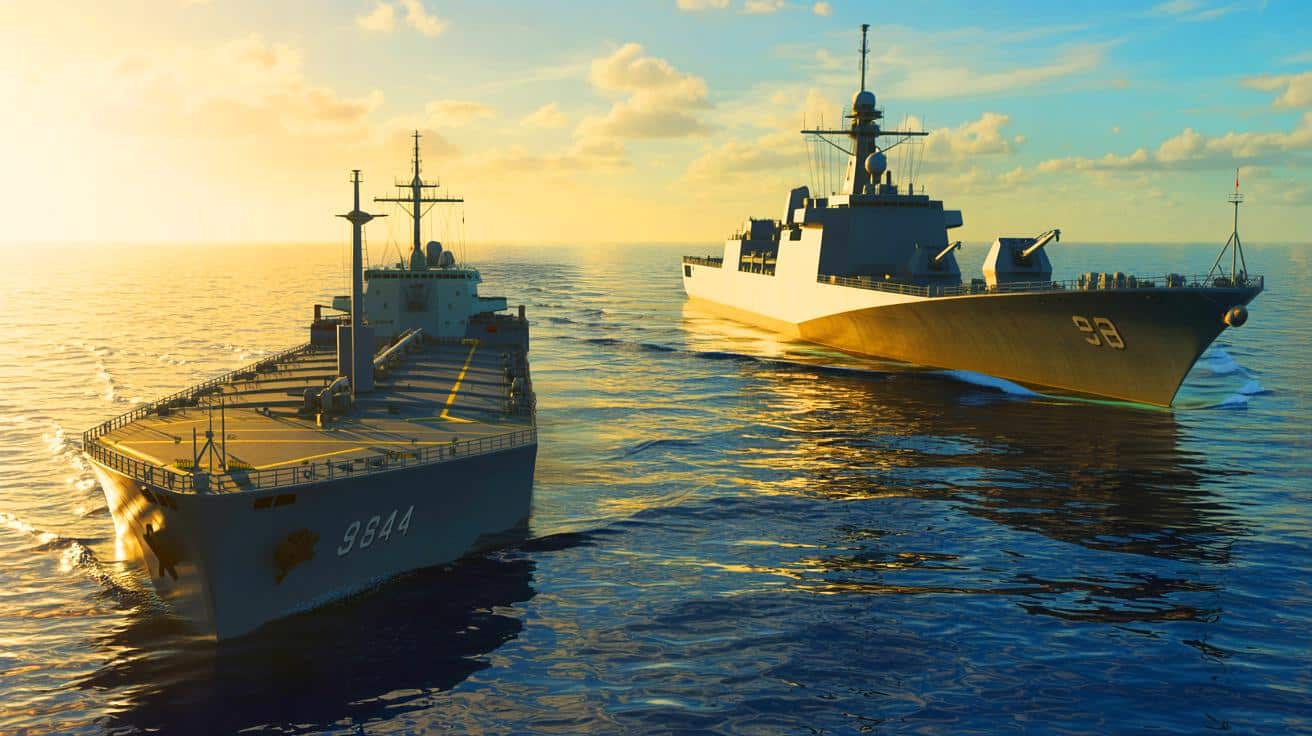
The interception of the oil tanker by U.S. forces marks a significant escalation in the tensions between Washington and Caracas. The U.S. military has ramped up its presence in the Caribbean, deploying warships, troops, and aircraft as part of a campaign purportedly targeting narcotics traffickers. President Donald Trump has indicated that this campaign could extend to land-based operations, further heightening concerns in Venezuela.
The Venezuelan government has denounced the seizure as an act of piracy, accusing the U.S. of ulterior motives centered on Venezuela’s vast oil reserves. Despite the country’s oil industry suffering from years of mismanagement, Venezuela continues to hold the world’s largest proven oil deposits. The U.S. maintains that its actions are solely aimed at disrupting criminal organizations in the region.
The tanker in question was not owned by Venezuela’s state oil company but was implicated in supporting Iranian oil exports, leading to U.S. sanctions.
The Decline of Venezuela’s Oil Industry
Venezuela’s oil industry, once a powerhouse in global energy markets, has seen a dramatic decline over the past two decades. Production has plummeted by more than 70% since its peak in the late 1990s. This decline is attributed to a combination of factors, including nationalization policies under former President Hugo Chávez, which drove away foreign investment, and rampant corruption and mismanagement within the state-run oil company, PDVSA.
Despite these challenges, oil remains Venezuela’s primary source of revenue, accounting for at least 95% of its overseas income. Efforts by President Nicolás Maduro to diversify the economy have yet to yield significant results. The continued reliance on oil exports places Venezuela in a precarious position, especially as international sanctions further isolate its energy sector.
U.S. sanctions have severely restricted Venezuela’s ability to export oil, compounding the industry’s existing difficulties and stifling economic recovery efforts.
The Impact of U.S. Sanctions
U.S. sanctions have played a crucial role in shaping the current state of Venezuela’s oil industry. These sanctions, imposed in various forms since 2017, have targeted financial transactions and operational capabilities of PDVSA. This has led to difficulties in maintaining oil infrastructure, which heavily relies on U.S. technology now unavailable due to restrictions.
The sanctions have also discouraged long-time allies like Russia and China from expanding their oil partnerships with Venezuela. While some companies, such as Chevron, remain active under limited licenses, the departure of major players like ExxonMobil and ConocoPhillips has left a void in the industry. The combination of sanctions and internal mismanagement has left Venezuela struggling to maintain its position as a viable oil exporter.
Although some foreign oil companies still engage with Venezuela, the scope and scale of their operations are limited by the overarching impact of U.S. sanctions.
Looking Ahead: The Future of Venezuelan Oil
The future of Venezuela’s oil industry remains uncertain amid ongoing geopolitical tensions and internal challenges. The recent tanker seizure may further deter international shippers from engaging with Venezuelan oil exports, fearing similar actions by the U.S. This could exacerbate the country’s economic woes, reducing its already limited access to global markets.
Despite these challenges, some analysts suggest that the impact on global oil prices may be minimal given Venezuela’s reduced output and the anticipated global oil surplus. However, the strategic importance of Venezuela’s oil reserves cannot be understated, and their role in international energy politics continues to be significant.
As the situation develops, questions remain about how Venezuela will navigate these challenges and what role its oil reserves will play in future geopolitical strategies. What steps can Venezuela take to revitalize its oil industry and mitigate the impact of international sanctions?


Isn’t it ironic that the U.S. accuses others of piracy when seizing a tanker? 🤔
Wow, this is like a real-life game of Risk! 🎲
Thank you for shedding light on such a complex issue!
Why does the U.S. always have to be involved in other countries’ affairs? 🤔
Could this lead to a military conflict between the U.S. and Venezuela?
Can’t Venezuela diversify its economy away from oil already?
Isn’t it ironic that the U.S. is accusing Venezuela of piracy? 😂
This article made me realize how interconnected global politics and energy are.
Are there any other countries affected by these U.S. military moves?
Thanks for the detailed analysis, this really helped me understand the situation better!
The oil industry decline is sad for Venezuela, but isn’t it self-inflicted?
Can Venezuela recover its oil industry without foreign investments?
Is there any hope for Venezuela to regain its oil industry strength?