



| IN A NUTSHELL |
|
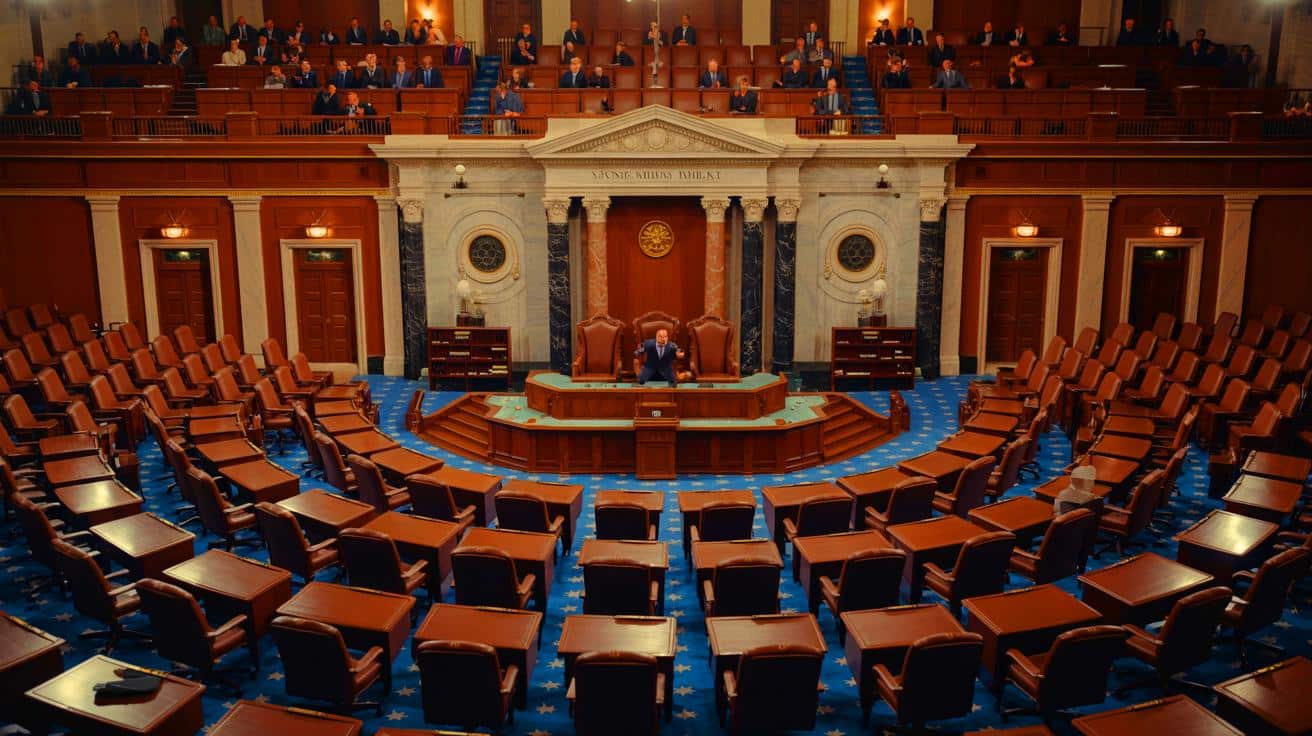
The U.S. Senate recently voted to overturn a Biden-era restriction on oil and gas leasing in the Arctic National Wildlife Refuge, igniting debate over environmental conservation and energy development. The decision, passed by a narrow margin of 49-45, highlights the ongoing tension between economic interests and ecological preservation in Alaska. As lawmakers seek to balance job creation with environmental responsibilities, this repeal could reshape the landscape of energy policy. With energy development back on the table, stakeholders from various sectors are poised to engage in a renewed dialogue over the future of this ecologically sensitive region.
Alaska’s Ongoing Energy Debate
The vote to repeal the leasing restrictions in the Arctic National Wildlife Refuge is the latest chapter in a long-standing debate over energy development in Alaska. Proponents of drilling argue that it will bring jobs and economic growth to the region. They emphasize the potential for increased domestic energy production, which they believe is crucial for national security and economic stability. Alaska lawmakers and tribal corporations have frequently cited these benefits as reasons to support energy development.
On the other hand, conservationists and environmentalists are deeply concerned about the potential ecological impact. The Arctic National Wildlife Refuge is home to a diverse range of wildlife and delicate ecosystems. Drilling, they argue, could lead to irreversible damage to these habitats, threatening species and disrupting natural processes. This opposition is not just local but has garnered national and international attention, with environmental groups mobilizing to protect the refuge.
The Political Dynamics
The Senate vote revealed a complex political landscape. One Republican, Senator Susan Collins of Maine, broke ranks to vote with Democrats against the resolution. This indicates a nuanced perspective within political parties on environmental issues. The decision to repeal the leasing limitations reflects broader political dynamics, where energy policy often intersects with economic and environmental considerations.
For President Trump, whose administration initiated the push for increased leasing, the decision aligns with a broader agenda of boosting domestic energy production. This stands in contrast to the Biden administration’s emphasis on climate change and environmental protection. The repeal is seen by many as a setback for environmental policy but also a reminder of the diverse priorities within American politics.
Environmental Concerns and Economic Interests
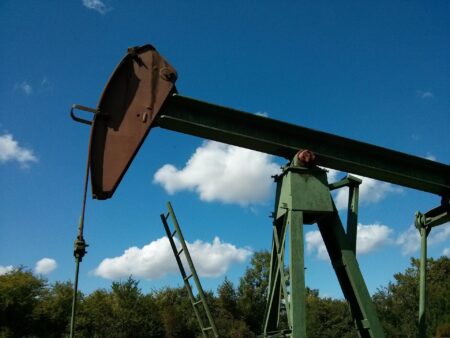
Drilling in the Arctic National Wildlife Refuge has long been a contentious issue, balancing economic interests with environmental concerns. Proponents highlight the potential for significant economic benefits, including job creation and increased revenue from oil and gas production. They argue that responsible energy development can coexist with environmental stewardship, using advanced technology to minimize impact.
However, critics remain skeptical. They point to past incidents where energy development has harmed ecosystems. The Arctic’s fragile environment, they argue, is particularly vulnerable to such activities. The potential for oil spills, habitat disruption, and other environmental impacts are central to their concerns. Conservationists argue that the long-term health of the ecosystem should take precedence over short-term economic gains.
US LNG Export Dominance Faces Challenge as Sellers Explore New Markets Beyond Europe’s Energy Demand
Future Implications
The repeal of leasing restrictions in the Arctic National Wildlife Refuge sets the stage for future developments in U.S. energy policy. It raises questions about the nation’s priorities concerning energy independence and environmental responsibility. As the conversation continues, stakeholders from all sides will need to navigate the complex interplay of economic, political, and environmental factors.
Policy decisions in this area will likely influence other regions and set precedents for future energy-related legislative actions. The ongoing debate will require careful consideration of both the immediate economic benefits and the long-term environmental costs. As the dialogue progresses, the challenge will be finding a sustainable path that respects both ecological integrity and economic needs.
The recent Senate decision to allow increased oil and gas leasing in the Arctic National Wildlife Refuge underscores the delicate balance between resource development and environmental conservation. As the debate unfolds, it poses a critical question: How can the U.S. responsibly manage its natural resources while safeguarding its environmental heritage for future generations?


Isn’t it time we prioritized the environment over short-term economic gains?
Is this really about energy independence or just political moves? 🤔
Thanks for the detailed article! It’s important to see both sides.
Alaska’s wildlife is truly precious. Why risk it for oil drilling?
Why does it always come down to jobs vs. environment?
Thank you for an informative article. This debate is so crucial! 🌍
Great, more drilling! Said no polar bear ever. 🐻❄️
Who benefits the most from this repeal? Follow the money!
Wondering if this decision could impact global oil prices? 🤔
How can we trust that the oil companies will minimize environmental impact?
Let’s hope technology can minimize the environmental impact as promised. 🤞
Thank you for shedding light on such a critical issue! 🌍