




| IN A NUTSHELL |
|
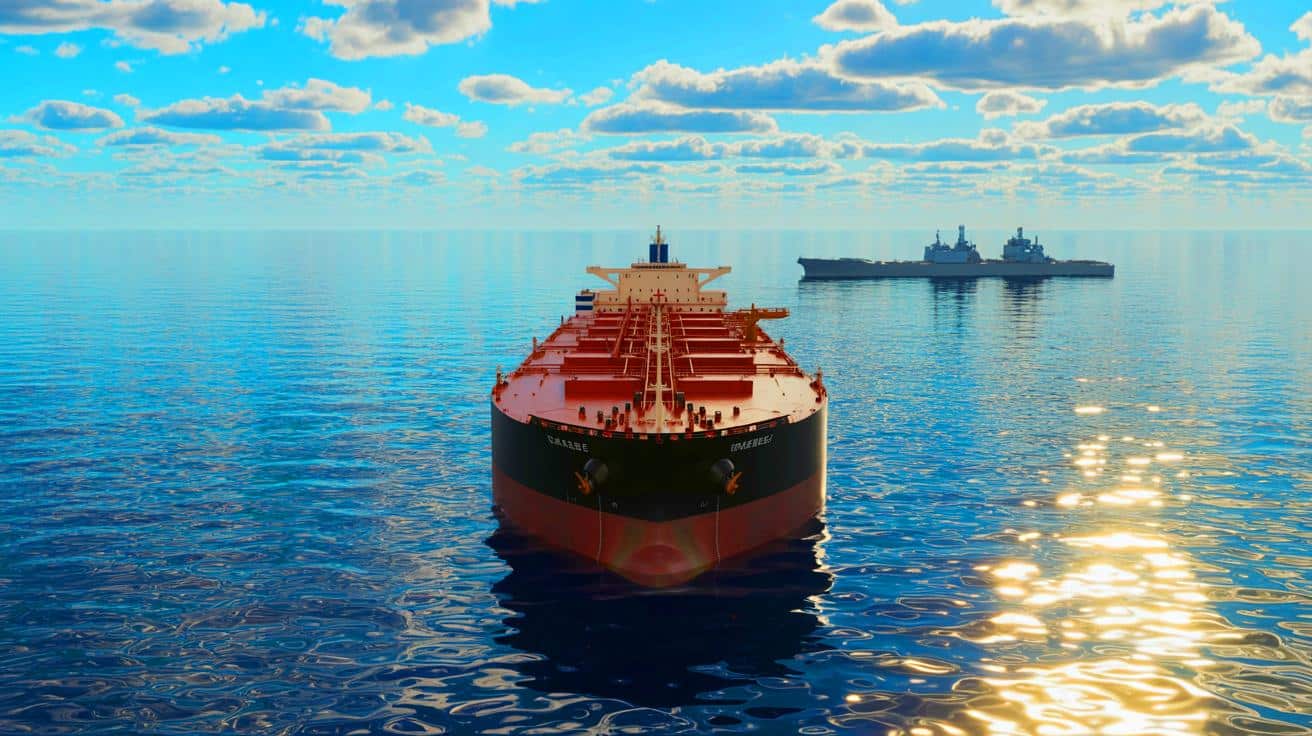
Venezuela’s oil exports have hit a significant roadblock following the United States’ recent seizure of a tanker and the imposition of new sanctions on shipping companies associated with the country. This move by the U.S. has brought Venezuelan oil exports to a near halt, with only Chevron-chartered tankers capable of navigating the international waters. The situation is compounded by the presence of about 11 million barrels of oil stranded in vessels within Venezuelan waters. This development is part of a broader geopolitical strategy by the U.S. aimed at increasing pressure on President Nicolas Maduro’s administration.
U.S. Seizure of Oil Tanker: A Strategic Move
The seizure of a Venezuelan oil tanker by the United States marks a significant escalation in the economic and political standoff between the two countries. This action was part of a broader strategy by Washington to apply economic pressure on President Nicolas Maduro, whose administration heavily relies on oil revenue. The U.S. government has been clear about its intention to seize more vessels, a move that has caused oil tanker movements to come to a near standstill. The seizure represents the first instance of the U.S. intercepting a Venezuelan oil cargo or tanker since sanctions were imposed in 2019.
Chevron remains the only company permitted to export Venezuelan crude to the U.S., thanks to a special authorization from the U.S. government. This arrangement allows Chevron to operate joint ventures with Venezuela’s state-run oil company, PDVSA. Despite the heightened tensions, Chevron has managed to export two cargoes of Venezuelan crude this month, demonstrating a rare continuity in oil trade amidst the broader economic sanctions.
Impact on Venezuelan Oil Exports
Venezuelan oil exports have dramatically declined due to the U.S. actions, with the threat of future vessel seizures deterring many from entering or leaving the country’s waters. Approximately 11 million barrels of oil are currently stuck in vessels within Venezuelan waters, unable to reach their intended destinations. This has created a bottleneck effect that is stalling the flow of oil, a critical component of the Venezuelan economy. The situation has been exacerbated by U.S. sanctions targeting vessels linked to Iran or Russia, which further complicates the logistical challenges faced by Venezuela.
In November, Venezuela exported around 952,000 barrels of oil per day, marking the third-highest monthly average this year. A significant portion of these exports, about 80%, were destined for China, with a smaller fraction heading to the United States. However, the seizure has disrupted this flow, threatening to impact Venezuela’s already fragile economy and its capacity to generate essential revenue from oil exports.
Chevron’s Role Amid Sanctions
Chevron plays a crucial role in maintaining a lifeline for Venezuelan oil exports. Operating under a U.S. government authorization, Chevron has been able to continue its joint ventures with PDVSA, facilitating the export of Venezuelan crude to the U.S. This relationship is vital for Venezuela, as it provides a legal pathway for exporting oil amidst stringent U.S. sanctions. Recently, Chevron successfully exported two cargoes of Venezuelan heavy crudes, with two additional shipments currently in the pipeline.
Despite the challenging circumstances, Chevron has asserted that it is operating in full compliance with all applicable laws and regulations. This compliance is essential for maintaining its operations in Venezuela and ensuring that it remains unaffected by the broader geopolitical tensions. However, the situation remains precarious, with any changes in U.S. policy potentially impacting Chevron’s ability to continue its operations in the region.
Future Implications and Economic Challenges
As the U.S. continues to tighten its grip on Venezuelan oil exports, the economic implications for the Latin American country are significant. The reliance on oil revenue makes Venezuela particularly vulnerable to such sanctions, which threaten to cripple its economy further. The recent actions by the U.S. have already caused a significant bottleneck, with millions of barrels of oil stranded in Venezuelan waters.
Furthermore, the U.S. military build-up in the southern Caribbean underscores the seriousness of the situation, as Washington seeks to increase pressure on the Maduro administration. This geopolitical tension highlights the broader implications for international oil markets and raises questions about the future of Venezuela’s oil industry. The ongoing sanctions and potential for further seizures present a formidable challenge for Venezuela as it navigates this complex geopolitical landscape.
As Venezuela grapples with the ramifications of U.S. sanctions and the associated economic challenges, the question remains: how will the country adapt its strategies to sustain its oil exports and stabilize its economy amidst mounting international pressure?


Wow, this is a big deal! How will Venezuela cope with this sudden halt in oil exports? 🤔
How long can Venezuela sustain this economic pressure before it impacts everyday citizens? 🤔
So the U.S. seized a tanker…are we witnessing a new form of economic warfare? 🛢️
This is gonna make gas prices go up again, isn’t it? 😩
Thank you for the article! It’s crucial to stay informed about these global issues.
Isn’t Chevron’s role in this whole situation a bit controversial? 🤨
Chevron seems to be the only winner here. Anyone else think so?
Great article, but can you explain how these sanctions specifically affect the everyday Venezuelan?
Wow, 11 million barrels stranded! That’s a LOT of oil just sitting there.
Why is the U.S. targeting Venezuelan tankers now? Timing seems interesting. 🤔
What a mess! Can’t believe 11 million barrels are just sitting there.
I’m curious, how does this seizure help the U.S. in the long term?
Anyone else feel like this is escalating into something bigger? 😬