


| IN A NUTSHELL |
|
The U.S. military is making significant strides in strengthening its presence in Southeast Asia. With plans to establish a military storage facility at the former U.S. naval base in Subic Bay, Philippines, by the summer of 2026, this development marks a pivotal step in U.S.-Philippine defense cooperation. This move comes amid rising tensions in the South China Sea and underscores the strategic importance of Subic Bay in U.S. defense logistics. The facility is expected to support the storage and maintenance of vehicle equipment, reflecting a renewed focus on infrastructure and military readiness in the region.
Revitalizing Subic Bay: A Strategic Move
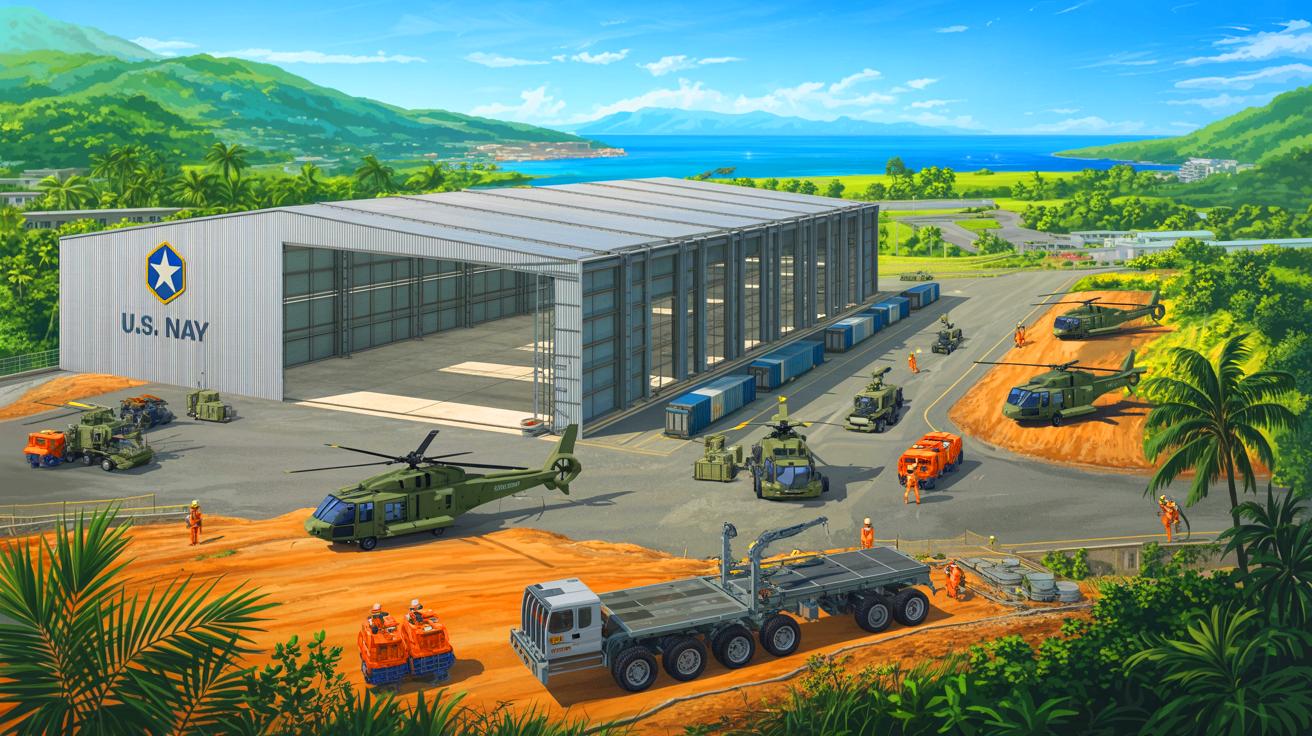
Subic Bay, once a bustling hub of American military operations during the Cold War, is poised for a revival. The proposed U.S. Navy storage facility seeks to lease a 25,000-square-meter climate-controlled warehouse and maintenance shop. This facility will support the storage and maintenance of vehicles, excluding munitions, thereby emphasizing logistics over combat operations. The strategic location within the Subic Bay Metropolitan Authority Freeport area offers proximity to existing Marine Corps facilities, enhancing operational efficiency.
This development aligns with the broader U.S.-Philippine defense cooperation efforts, which have intensified over recent years. The Enhanced Defense Cooperation Agreement of 2014 paved the way for increased military exercises and infrastructure development at select bases. The upcoming facility will further bolster these efforts, providing a critical logistical node for U.S. forces in the region. The storage facility is expected to accommodate up to five dozen personnel, underscoring its role in supporting substantial military activities.
Historical Context and Modern Implications
During the Cold War, Subic Bay and Clark Air Base played pivotal roles in supporting American operations across the Pacific. However, the closure of these bases in the 1990s marked a significant reduction in U.S. military presence in the region. The current plans to re-establish a presence at Subic Bay signal a strategic shift in response to evolving geopolitical dynamics. The U.S. aims to leverage this historical stronghold to enhance its logistical capabilities in the face of rising tensions, particularly concerning the South China Sea and the Luzon Strait.
The revitalization of Subic Bay is not solely a military endeavor. Economic investments from both Washington and Seoul have breathed new life into the area, revitalizing dormant shipyards and enhancing maritime infrastructure. These efforts reflect a broader strategy to integrate military and economic objectives, ensuring that Subic Bay remains a vital asset in regional stability and security.
Philippine Military Modernization and Cooperation
The Philippines is actively modernizing its military capabilities, with Subic Bay playing a central role in this endeavor. The Philippine Navy, Marine Corps, Air Force, and Coast Guard are all working toward enhancing facilities and bases in the area. This modernization aligns with the increased defense cooperation between the U.S. and the Philippines, which is set to include up to 500 activities by 2026.
The strategic importance of Subic Bay is further underscored by recent security challenges. Philippine law enforcement has been vigilant in countering espionage activities, including the arrest of Chinese nationals suspected of spying on American and Philippine warships. These incidents highlight the ongoing security concerns in the region and the need for robust defense partnerships. The establishment of the U.S. storage facility is a testament to the enduring alliance between the U.S. and the Philippines, aiming to address these challenges collaboratively.
Future Prospects and Geopolitical Significance
The establishment of a U.S. military storage facility at Subic Bay is more than just a logistical expansion; it signifies a deepening of U.S.-Philippine ties and a strategic response to regional security dynamics. As both nations navigate the complexities of the South China Sea disputes, this development highlights the critical role of Subic Bay in ensuring mutual defense readiness.
Looking ahead, the success of this initiative will depend on continued collaboration and alignment of military and economic objectives between the U.S. and the Philippines. The presence of American aircraft and vessels at Subic Bay is expected to grow, further cementing the bay's status as a focal point of U.S. defense logistics. The evolving geopolitical landscape will undoubtedly shape the future of this partnership, prompting questions about how these developments will influence regional stability and security.
The resurgence of U.S. military presence in Subic Bay reflects a strategic pivot in response to emerging threats and opportunities in Southeast Asia. As the U.S. and the Philippines strengthen their defense ties, the broader implications of this partnership merit close attention. How will these developments influence the regional balance of power and the broader geopolitical landscape in the coming years?



Is this storage facility a permanent establishment or just a temporary measure? 🤔
Is this move going to escalate tensions in the region or foster peace? 🤔
Wow, history really does repeat itself! Subic Bay is back in action. 🌊
Why focus on vehicle storage and not munitions? Seems like a missed opportunity.
Great to see the U.S. strengthening its ties with the Philippines! 🇺🇸🇵🇭
Why exclude munitions from the storage facility? Doesn’t that limit its functionality?
Thank you, U.S., for helping secure the region! Feeling safer already. 🇵🇭🤝🇺🇸
Subic Bay is back in action! History really does repeat itself, doesn’t it?
25,000 sqm sounds huge! How many vehicles can it actually accommodate?
Hope the local economy benefits significantly from this development! 🙏
Hope this doesn’t escalate tensions further in the South China Sea. 😬
What’s next? A full-fledged naval base? 😜