




| IN A NUTSHELL |
|
The integration of artificial intelligence into military technology has become a significant focus for nations worldwide. As geopolitical tensions rise, particularly in Europe with the ongoing conflict involving Russia, countries are investing in advanced technology to protect their interests. The United Kingdom is at the forefront of this movement, with the Royal Navy planning to deploy a new AI-enhanced underwater drone system to safeguard its territorial waters. This initiative represents a significant step in modernizing military capabilities and highlights the increasing reliance on AI in defense strategies.
The Rise of AI in Military Applications
Artificial intelligence is revolutionizing military operations across the globe. Its ability to analyze data swiftly and accurately makes it an invaluable tool for defense. AI is being integrated into land, air, and sea military equipment, enhancing both autonomous systems and those operated remotely. The Royal Navy’s recent announcement underscores the importance of AI as a critical component of modern warfare.
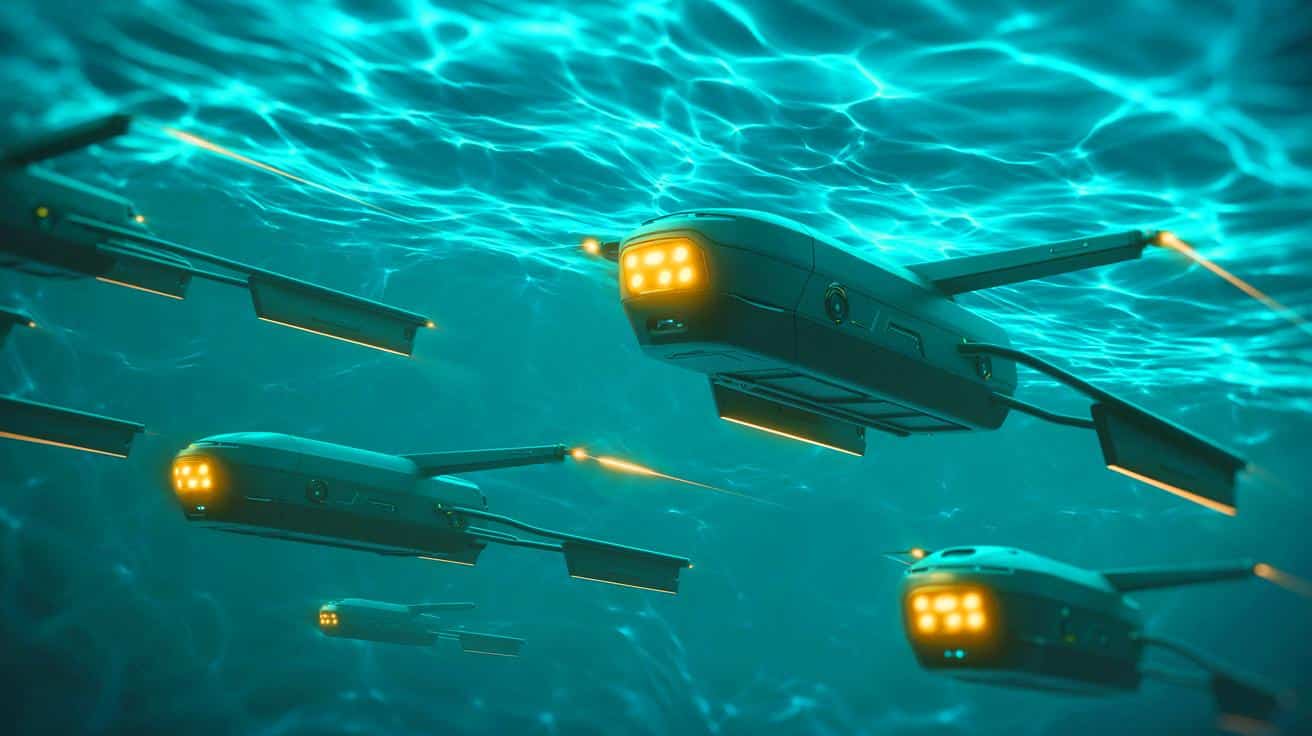
The UK’s Royal Navy is set to deploy autonomous underwater drones designed to detect and identify potential threats in its territorial waters. These drones, part of a system named Lura, are equipped with advanced acoustic sensors. This technology allows them to differentiate between various types of vessels based solely on sound, thereby reducing the risk of false alarms. Such precision ensures that military resources are utilized efficiently, deploying forces only when there is a confirmed threat.
From Tracking Whales to National Defense
Interestingly, the technology behind Lura was initially developed for a different purpose: tracking whales. The use of acoustic sensors to monitor marine life has been adapted to enhance the Royal Navy's defense capabilities. This transition from environmental monitoring to military application demonstrates the versatility and potential of AI technology.
Helsing, the company responsible for developing Lura, emphasizes the strategic importance of this technology. According to Gundbert Scherf, co-founder of Helsing, "Lura detects so our ships can deter." This statement reflects the dual role of technology as both a detection mechanism and a deterrent. By effectively illuminating potential threats, the Royal Navy aims to protect vital infrastructure, national waters, and, ultimately, the British way of life.
Strategic Implications for the Royal Navy
The deployment of Lura represents a strategic shift for the Royal Navy. By leveraging cutting-edge technology, the UK aims to maintain a competitive edge in naval defense. The ability to detect and respond to threats rapidly is crucial in today's volatile geopolitical climate.
This initiative also sends a clear message to potential adversaries. The integration of AI into national defense systems serves as a deterrent, showcasing the UK's commitment to protecting its interests. As the Royal Navy continues to innovate, it must also address potential challenges, including the reliability of this technology and the possibility of adversaries developing countermeasures.
UK’s Sea Dagger Autonomous Craft Deploys 12 Commandos at 46 MPH Using Trusted Mission AI Technology
Challenges and Future Prospects
While the introduction of AI-driven defense systems like Lura is promising, it also raises questions about reliability and countermeasures. Can these systems consistently identify threats without error? And how might adversaries respond to this technological advancement?
The future of military defense will likely involve a continued reliance on AI and other advanced technologies. As nations invest in these systems, they must also consider the ethical implications and potential risks. The Royal Navy's deployment of Lura is a step towards a more secure future, but it also highlights the ongoing need for innovation and adaptation in military strategies.
As the Royal Navy embraces AI to enhance its defense capabilities, the broader question remains: how will nations balance technological advancement with the ethical and strategic challenges it presents? The answers to these questions will shape the future of global military strategy.




Wow, using tech meant for tracking whales to track subs? That’s a real bait and switch! 🐳➡️🚢
Does the Lura system have any environmental impact on marine life? 🐋
Wow, AI helping to find submarines. What’s next, AI finding Nemo? 😂
Does this mean we’ll have fewer false alarms now? Seems like a smart move! 🤔
Thanks for this insightful article. It’s fascinating to see how AI is being repurposed for defense.
How reliable is this technology in detecting Russian vessels compared to traditional methods?
How well can these AI systems differentiate between different types of vessels? Are there any stats available?
Is it just me, or does this sound like the plot of a sci-fi movie? 🎥
I’m curious, does AI in military applications raise ethical questions for anyone else?
Does the Lura system have a backup plan in case of tech failure? 🤔
How does the Lura system differentiate between friendly and hostile vessels?
AI in submarine hunting? What a time to be alive! 🚀
Can this technology be adapted for civilian use, like preventing illegal fishing?
Is AI really the answer to all defense problems, or is it just a gimmick?
The UK is really stepping up its game in naval defense. Impressive!
Great to see technology initially meant for whales being used for national security! 🐋
Hope this doesn’t lead to an underwater arms race!
Would love to see a documentary on how these AI submarine hunters work!
How much did the development of the Lura system cost the taxpayers?
Is it true that AI can sometimes mistake large fish for submarines? 🐟
Does this mean the Royal Navy will need fewer human personnel on patrol?
AI submarines hunting Russian vessels sounds like something out of a sci-fi movie! 🎬
What’s next? AI-driven ships? 😜
This is a great example of technology transfer from environmental to military use.
Why aren’t more countries investing in such cutting-edge defense technologies?
Hope this AI is more reliable than my GPS! 😂
Any chance this technology might be sold to other countries?
Is the Lura system operational in all weather conditions?
Will this technology create more jobs in the UK? 🤔
Are there any privacy concerns with using such advanced technology in territorial waters?
Impressive tech! But what are the ethical implications of using AI in defense?
The future is here, and it sounds like a whale! 🐋
How are they ensuring the AI doesn’t malfunction in critical situations?