



| IN A NUTSHELL |
|
The recent actions by the United States to seize oil tankers off the coast of Venezuela mark a significant escalation in its efforts to pressure Venezuelan President Nicolas Maduro. This move comes amidst heightened tensions and a military buildup in the southern Caribbean. The seizure of a tanker earlier this week has sent shockwaves through the maritime industry, raising concerns among shipowners and operators about the security of their vessels. As the U.S. continues to enforce its sanctions policies, the implications for international trade and regional stability are profound, leaving many to question the future of Venezuela’s oil exports and the broader geopolitical landscape.
U.S. Strategy Against Venezuela’s Oil Exports
The United States has long been at odds with the Venezuelan government, particularly under President Nicolas Maduro. The recent tanker seizures underscore a more aggressive stance by the U.S. in its efforts to curb Venezuela’s oil exports. With Venezuela’s economy heavily reliant on oil revenue, these actions could further strain the country’s finances. The U.S. government has been clear in its intentions, emphasizing the need to prevent the flow of what it considers “black market oil.” This oil, according to U.S. officials, funds activities of rogue regimes worldwide.
By targeting ships that transport Venezuelan oil, the U.S. aims to disrupt the operations of Venezuela’s state oil company, PDVSA. The strategy focuses on the so-called shadow fleet, vessels that transport oil for sanctioned countries like Iran and Venezuela. These ships often operate under opaque ownership and lack top-tier insurance coverage. This makes them vulnerable to U.S. interdictions.
The impact of these actions extends beyond the immediate economic implications for Venezuela. It raises broader questions about international maritime law and the rights of nations to enforce sanctions on the high seas. As the U.S. continues its campaign against Venezuela, the global community watches closely to see how these tensions will unfold.
Implications for International Shipping
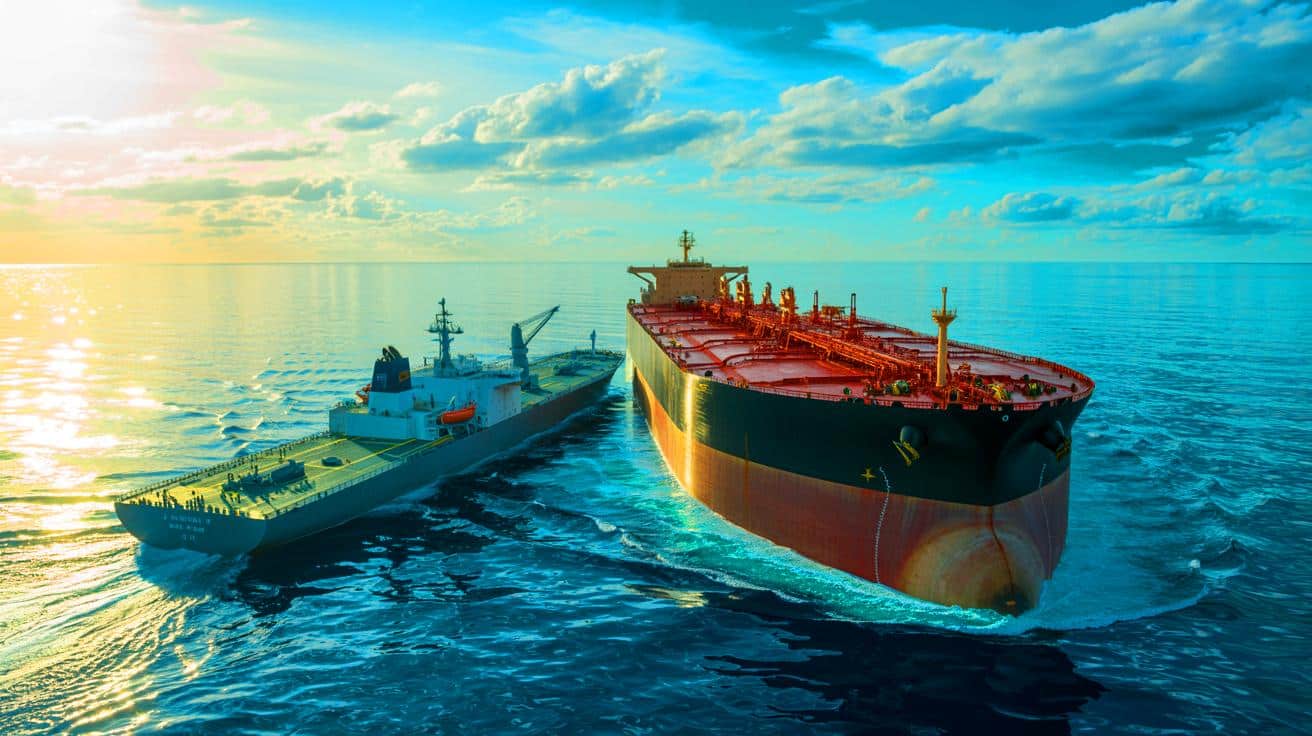
The seizure of the oil tanker Skipper has sent ripples across the international shipping industry. Shipowners and operators are now wary of navigating waters near Venezuela, fearing similar actions from the U.S. The uncertainty surrounding the situation has led to the suspension of several shipments, affecting millions of barrels of Venezuelan oil destined for Asia.
Maritime agencies are on high alert, reassessing the risks associated with transporting oil from sanctioned countries. The prospect of further U.S. interventions has added a layer of complexity to an already volatile market. Shipowners are faced with difficult decisions: continue operations and risk seizure, or halt activities and incur financial losses.
The broader implications for global trade are significant. The disruption of oil shipments from Venezuela could lead to fluctuations in oil prices, affecting economies worldwide. As the U.S. continues to enforce its sanctions, the maritime industry must navigate an increasingly complex landscape, balancing the demands of international trade with the risks of geopolitical conflict.
Surveillance and Legal Considerations
The U.S. has ramped up surveillance efforts in the Caribbean and surrounding waters, closely monitoring tankers linked to sanctioned countries. This increased scrutiny is part of a broader strategy to intercept vessels before they reach international waters. However, the legal framework surrounding these actions is complex and often contentious.
While Venezuela has labeled the U.S. seizure as “piracy,” legal experts argue that it does not meet the definition under international law. The actions are sanctioned by the U.S. government, making them a matter of state enforcement rather than piracy. Nevertheless, the rhetorical use of the term highlights the contentious nature of these seizures.
The legal ambiguity surrounding these actions poses challenges for international maritime law. As the U.S. continues its campaign, questions about the legality and legitimacy of such interventions will likely persist. The potential for conflict between nations over maritime rights and the enforcement of sanctions remains a significant concern.
Future of Venezuelan Oil and Global Geopolitics
The U.S. actions against Venezuelan oil exports have far-reaching implications for global geopolitics. As the U.S. seeks to limit the influence of regimes it deems rogue, the impact on Venezuela’s economy is profound. The country’s reliance on oil exports means that any disruption could have severe economic consequences.
Moreover, the tensions between the U.S. and Venezuela are emblematic of broader geopolitical struggles. The involvement of other nations, such as China and Russia, adds layers of complexity to the situation. These countries have vested interests in Venezuela’s oil and may push back against U.S. actions.
The future of Venezuelan oil exports remains uncertain. As the U.S. continues its aggressive stance, the potential for diplomatic resolutions or further escalations looms large. The international community must grapple with the implications of these actions, considering the balance of power and stability in the region.
The unfolding situation between the U.S. and Venezuela raises critical questions about the future of international relations and economic stability. As the U.S. continues its campaign against Venezuelan oil exports, the implications for global trade and regional dynamics are profound. How will the international community respond to these escalating tensions, and what measures can be taken to ensure a stable and secure maritime environment?



Is the U.S. really justified in seizing these tankers? 🤔
Is the U.S. trying to play the world’s police again? 🤔
Thank you for shedding light on this complex issue, very informative!
Thank you for the insightful article. The international legal implications are fascinating!
Sounds like a pirate movie plot. Anyone else getting Jack Sparrow vibes? 🏴☠️
Why doesn’t the U.S. focus on its own energy policy instead of meddling in Venezuela’s affairs?
Can someone explain how these actions don’t count as piracy under international law?
This could lead to a major conflict! Are we prepared for the consequences?
So, will oil prices go up because of this? Asking for my wallet! 💸
Interesting perspective, but isn’t it piracy if you’re seizing ships on the high seas? 🤷♂️
Seems like the U.S. is playing a risky game here.
Great analysis of the situation. The stakes are indeed high for global trade.
Not sure if ramping up tensions is the best way to handle international trade issues.