




| IN A NUTSHELL |
|
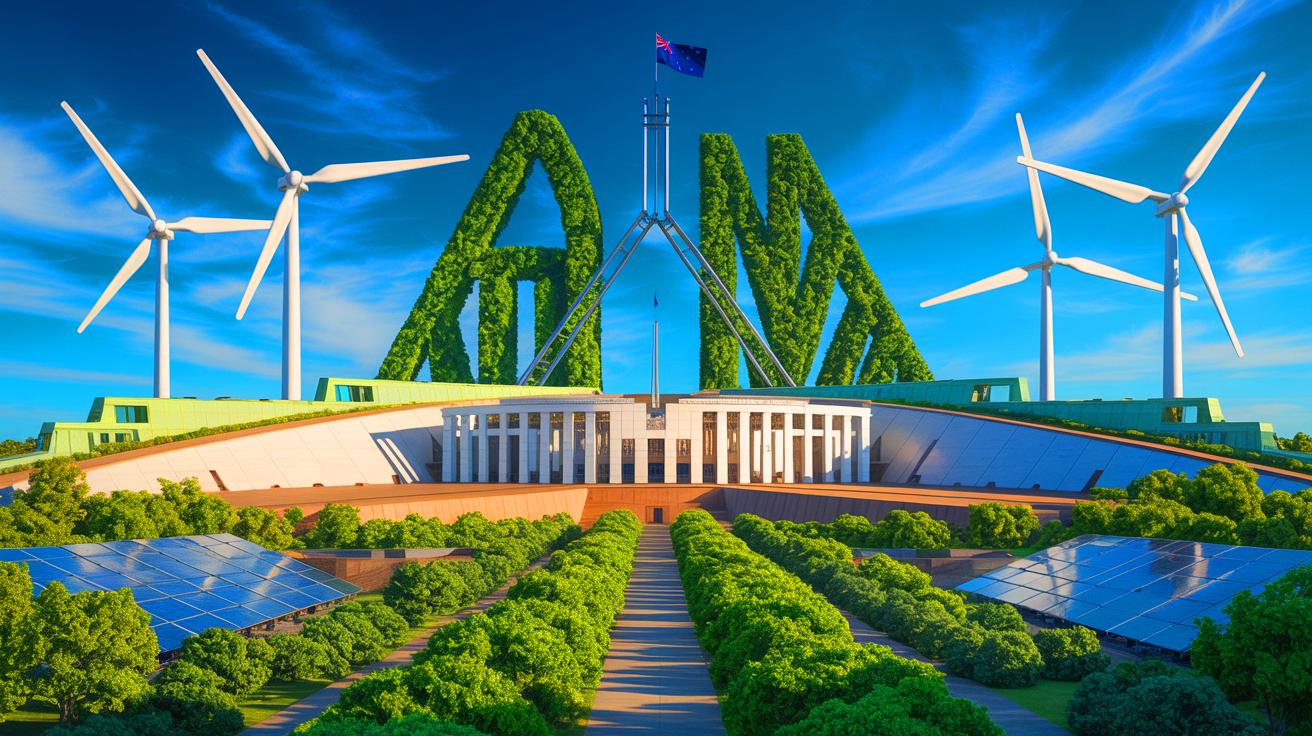
Australia is poised on the brink of a significant shift in its environmental policy landscape. The center-left Labor government plans to introduce a comprehensive overhaul of the nation’s environmental laws, aiming to balance the urgent need for economic development with the equally critical task of protecting the natural world. This legislative effort seeks to amend the Environment Protection and Biodiversity Conservation Act of 1991, a move that has sparked both anticipation and debate. The proposed changes promise to expedite project approvals across key sectors like natural gas, renewable energy, and mining, while establishing stricter national standards for environmental protection.
Environmental Protection Authority: A New Regulatory Body
The cornerstone of the proposed legislation is the creation of a new Environmental Protection Authority. This agency would be empowered to impose fines up to A$825 million ($544 million) on those who violate environmental laws. The establishment of this authority marks a significant shift in Australia’s approach to environmental governance, aiming to streamline oversight and enforcement at both the national and regional levels.
This new body is designed to work alongside existing state and territory agencies, ensuring a cohesive and consistent application of environmental standards across the country. The challenge will be coordinating these efforts to avoid bureaucratic overlap and inefficiency. The goal is to reduce the time required for project approvals, a process that has historically been mired in lengthy delays, to promote economic growth while adhering to rigorous environmental safeguards.
National Standards and Carbon Offsets Overhaul
In addition to establishing a new regulatory authority, the proposed laws introduce national standards to guide departmental decision-making. These standards aim to provide clarity and consistency in how environmental impacts are assessed and managed across different jurisdictions and projects. This is expected to address longstanding criticisms that the current system is fragmented and inconsistent, leading to uncertainty for businesses and communities alike.
Moreover, the legislation seeks to revamp the framework for carbon offsets, an essential tool for mitigating the environmental impact of economic activities. By refining how these offsets are implemented, the government hopes to enhance their effectiveness as part of Australia’s broader strategy to reduce greenhouse gas emissions. The emphasis on carbon offsets reflects the country’s commitment to transitioning towards a more sustainable energy future.
Political Dynamics and Negotiations
Passage of the bill through Parliament is far from guaranteed. Labor, despite its commanding majority in the lower house, must secure support from opposition parties in the Senate. The center-right Liberal-National coalition and the left-wing Greens have both expressed reservations about the proposed legislation, albeit for different reasons.
The coalition contends that the laws disproportionately favor environmental concerns at the expense of economic interests, while the Greens argue that the provisions do not go far enough in protecting the environment. A contentious clause allowing the government to approve projects contrary to environmental laws if deemed in the “national interest” has particularly ruffled feathers among climate advocacy groups. Navigating these divergent perspectives will require careful negotiation and compromise.
The Urgency of Reform: Industry and Environmental Concerns
The need for reform is underscored by findings from the Samuel Review, an independent study of the existing Environment Protection and Biodiversity Conservation Act. The review concluded that without significant changes, industries would face persistent delays in project approvals, hindering economic development while failing to adequately address environmental degradation.
These delays have also frustrated efforts to expand Australia’s renewable energy capacity, as the nation grapples with the challenge of replacing its aging coal-fired power infrastructure. The proposed legislative overhaul aims to resolve these issues by creating a more efficient, responsive system that aligns with both economic imperatives and environmental responsibilities.
As Australia moves forward with this ambitious legislative agenda, the balance between economic growth and environmental stewardship remains a critical question. How will policymakers navigate the complex interplay of interests to forge a path that ensures both prosperity and sustainability for future generations?


Is this overhaul more about cutting red tape or genuinely protecting the environment? 🤔
Will these changes actually speed up project approvals, or just add more red tape? 🤔
Thank you for highlighting the potential impact on local ecosystems. This is crucial information!
Finally, some real action on environmental protection! Thank you, Australia! 🌱
Will the new Environmental Protection Authority really have enough power to enforce these laws?
I wonder how the new Environmental Protection Authority will cooperate with state agencies. Could be a mess!
Sounds like a great initiative! Hope it balances economic and environmental needs well. 🌏
Why is there such a big fine? Over 800 million AUD seems excessive!
Does anyone else think A$825 million fines are a bit excessive? Who’s got that kind of cash lying around?
How will this affect small businesses in the renewable energy sector?
Seems like a step in the right direction, but what about the potential impact on local communities?
Seems like a lot of talk. Let’s see some action first! 🐨
Are there any provisions for community consultations in this new law?
I’m skeptical. More laws usually mean more delays, not less. 🙄
I’m skeptical. How can they streamline approvals without compromising on environmental checks?
Hope this doesn’t become another bureaucratic nightmare. Fingers crossed! 🤞
Thank you for the detailed breakdown. It’s good to see both the pros and cons discussed.