



| IN A NUTSHELL |
|
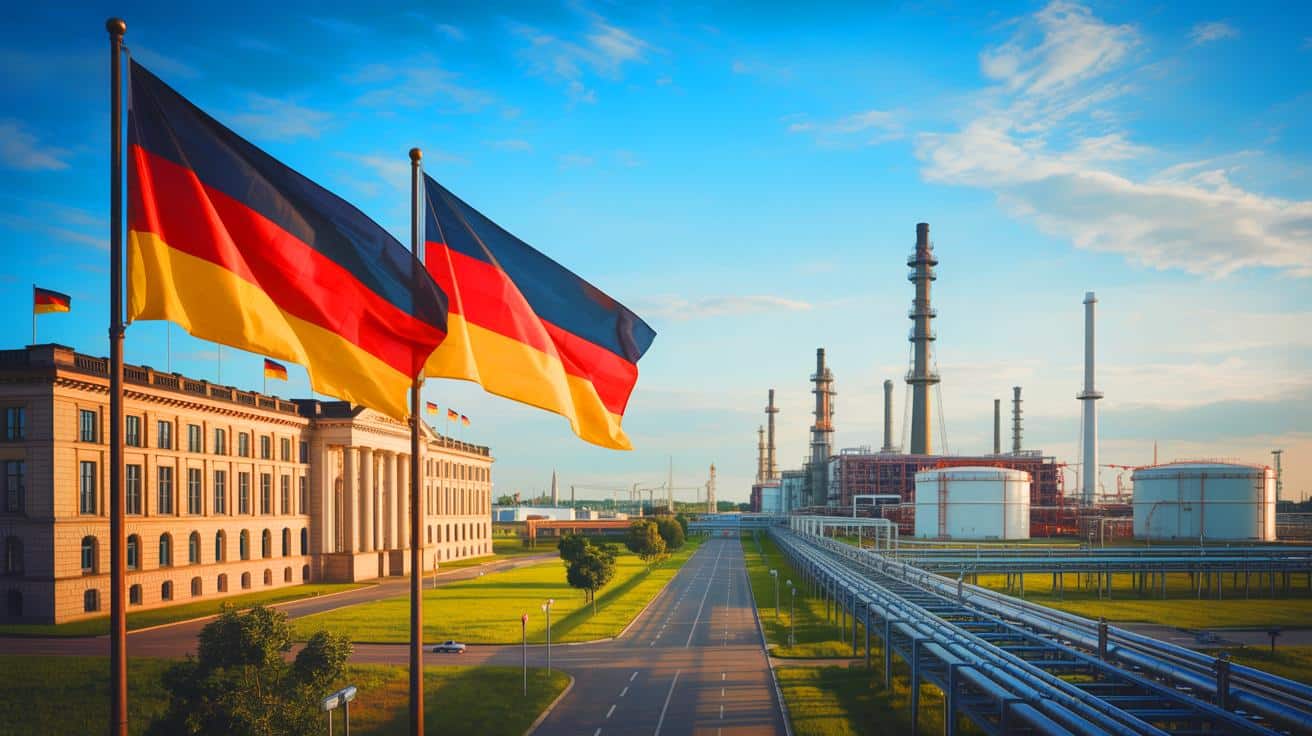
Germany finds itself at a crossroads as it navigates the complex interplay between energy dependence and geopolitical tensions. The U.S. sanctions on Russian oil producer Rosneft have brought Germany’s reliance on Russian energy into sharp focus, prompting discussions about nationalizing Rosneft’s business operations within its borders. This potential shift could have sweeping implications for Germany’s energy landscape, particularly concerning the Schwedt refinery, which plays a critical role in supplying fuel across eastern Germany. As Berlin grapples with these issues, the question remains: How will Germany balance its energy needs with international pressures?
Germany’s Complex Energy Dependency
Germany’s energy landscape is deeply intertwined with its historical reliance on Russian oil and gas. For decades, Russia has been a primary supplier, providing the necessary resources to fuel Germany’s industrial economy. This reliance has become increasingly fraught, with geopolitical tensions rising in the wake of the Ukraine conflict. The U.S. sanctions on Rosneft have further complicated this relationship, forcing Germany to reconsider its energy dependencies.
Rosneft’s operations in Germany include significant stakes in key refineries, such as the Schwedt refinery, which is crucial to the nation’s fuel supply chain. This facility alone provides fuel to Berlin’s airport and petrol stations across eastern Germany, underscoring its importance to the country’s infrastructure. With the potential nationalization of Rosneft’s assets, Germany aims to secure its energy future amid global uncertainties.
The German government has been cautious in its approach, weighing the potential repercussions of seizing Rosneft’s assets. Concerns about compensation claims from Moscow and the impact on German businesses operating in Russia have made this a delicate balancing act. Nevertheless, the urgency of securing energy independence is driving the conversation forward.
The Legal and Economic Ramifications
Rosneft’s German assets have been valued at around $7 billion by Russian media, but some sources suggest the true value might be much lower. The legal framework for nationalizing these assets is complex, involving a trusteeship arrangement that has been in place since 2022. This arrangement grants the German government control over Rosneft’s operations, but it is subject to renewal every six months, leaving room for legal challenges.
Michael Kellner, a German parliamentarian, has been a vocal advocate for nationalization, emphasizing its systemic importance to the country. He argues that nationalizing Rosneft’s business would provide Germany with certainty over its energy future. However, the legal implications are significant, as each renewal of the trusteeship is scrutinized for its legal basis, originally intended as a temporary emergency measure.
The potential for legal disputes and compensation claims from Russia adds another layer of complexity. German companies with investments in Russia may face retaliatory actions from the Kremlin, should Germany proceed with nationalization. This precarious situation underscores the broader economic ramifications of such a move.
Exploring Alternative Solutions
While nationalization remains a contentious option, the German government is also exploring alternative solutions. Securing a permanent exemption from U.S. sanctions for Rosneft’s operations is one possibility, allowing the company to continue its activities without interruption. This approach would avoid the legal and economic challenges associated with nationalization, but it requires diplomatic negotiations and international cooperation.
In addition to exemptions, Germany is considering selling Rosneft’s assets to a foreign investor. Countries like Qatar and Kazakhstan have previously expressed interest in acquiring these operations, although their current level of interest remains uncertain. Such a sale would transfer the responsibility of managing these critical assets to a third party, potentially alleviating some of the pressure on the German government.
The exploration of these alternatives highlights Germany’s strategic approach to resolving its energy dilemma. Balancing the need for secure energy supplies with the complexities of international relations is no small task, and the outcome will have lasting implications for Germany’s energy policy.
The Broader Implications of Energy Independence
The discussions surrounding Rosneft’s operations in Germany reflect a broader trend towards energy independence in Europe. As countries grapple with the realities of geopolitical tensions and the need for secure energy sources, the shift towards domestic and diversified energy production is gaining momentum. Germany’s potential nationalization of Rosneft’s assets is emblematic of this shift, representing a move towards greater autonomy and resilience.
The stakes are high, as energy security is a cornerstone of national stability and economic prosperity. The decisions made by Germany in this context will serve as a bellwether for other European nations facing similar challenges. The pursuit of energy independence requires careful consideration of environmental, economic, and geopolitical factors, all of which play a role in shaping the future of energy policy.
As Germany navigates this complex landscape, it must also contend with the broader implications of its actions on the global stage. The resolution of these issues will not only impact Germany’s energy sector but also influence its standing in international relations and its ability to lead in a rapidly changing world.
As Germany weighs its options, the question remains: How will the pursuit of energy independence reshape the country’s future, and what lessons will it offer to the rest of the world?


Wow, Germany is really taking a bold step here! 🇩🇪
Wow, Germany nationalizing Rosneft? That’s a bold move! 🤔
What are the potential impacts on fuel prices if Germany goes through with this?
What are the potential impacts on fuel prices in Germany if this nationalization happens?
Hmmm, are we seeing a new era of energy independence in Europe?
Isn’t nationalizing foreign assets a risky move in terms of international relations?
Can someone explain the trusteeship arrangement? I’m a bit lost here. 😅
Germany nationalizing Rosneft? Sounds like a plot twist! 🤔
Thanks for the article! It’s fascinating to see how geopolitics affects energy policy. 🌍
What kind of compensation is Moscow expecting if Germany goes through with this?
How do you say “nationalization” in German? Asking for a friend. 😅
Germany should definitely nationalize Rosneft, it’s time to cut ties with Russia.
Is this just a political stunt or a genuine shift in energy dynamics?
Thanks for the informative article. This is a major geopolitical issue!