


| IN A NUTSHELL |
|
As Europe navigates its complex energy landscape, the European Commission is making bold moves to eliminate its reliance on Russian energy sources by 2027. This decision comes amid ongoing geopolitical tensions, particularly following the Russian invasion of Ukraine. Russia has historically been a major supplier of natural gas to Europe, but recent events have prompted the EU to seek energy independence. The shift represents not only an economic adjustment but also a strategic maneuver to bolster energy security across the continent. With the clock ticking toward 2027, the EU’s commitment to this transition is clear, though not without its challenges.
Europe’s Historical Dependence on Russian Energy
Europe’s long-standing dependence on Russian energy is rooted in a complex history. For decades, Russia has been a primary supplier of natural gas to the European continent. This relationship has been fraught with geopolitical implications, as energy supply has often been used as a tool of leverage by Russia. The Brotherhood pipeline, one of the last active pipelines, has historically delivered 40 billion cubic meters of gas annually from Russia to Europe.
The reliance on Russian gas has posed significant risks, particularly as political tensions between the EU and Russia have escalated. Concerns about energy security have grown, leading Europe to reassess its dependence on external energy sources. The European Union’s recent announcement to stop new contracts for Russian gas after 2025 marks a pivotal shift in this relationship. It signals the EU’s determination to sever ties with Russian energy, which is seen as a strategic vulnerability.
The Impact of the Ukraine-Russia Conflict
The ongoing conflict between Ukraine and Russia has further complicated Europe’s energy scenario. Ukraine, once a major transit country for Russian gas into Europe, has taken significant steps to cut energy ties with Russia. On January 1, 2025, Ukraine made a bold move to halt the flow of Russian gas through its territory, effectively severing one of the last connections Europe had to Russian energy.
This decision by Ukraine underscores the geopolitical complexities of the region and has accelerated the EU’s plans for energy independence. The disruption in gas supply has forced Europe to confront its vulnerabilities and has highlighted the urgency of developing alternative energy sources. Europe’s energy transition is no longer just an economic imperative; it is a geopolitical necessity.
Trump’s Global Influence Wanes Amid Rising Foreign Policy Setbacks
The EU’s Strategy for Energy Independence
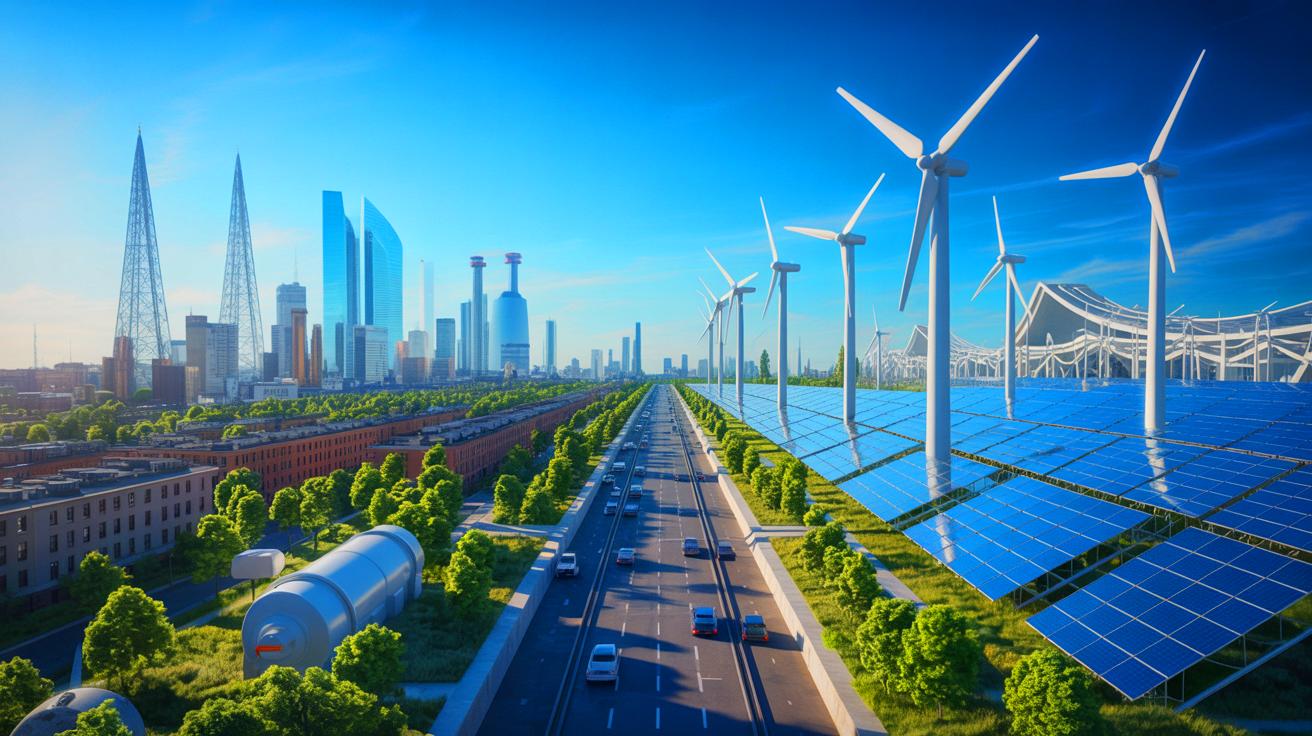
The European Commission’s strategy to achieve energy independence involves a multifaceted approach. This includes increasing investment in renewable energy sources such as wind, solar, and hydropower. The EU aims to diversify its energy imports by seeking new partnerships with non-Russian suppliers. Additionally, there is a concerted effort to improve energy efficiency across member states, reducing overall consumption.
Another key component of the strategy is the development of infrastructure that supports energy diversification. This includes building interconnectors that facilitate energy trade between EU countries, thus enhancing energy resilience.
Glaciers in Crisis: Nearly 40% of Global Ice Mass is Already Lost
“The EU’s commitment to a sustainable and secure energy future is unwavering,” said a spokesperson from the European Commission.
By 2027, the EU hopes to have significantly reduced its reliance on external energy sources, thereby enhancing its energy security.
Challenges and Opportunities Ahead
While the path to energy independence presents numerous opportunities, it is not without its challenges. Transitioning to a more sustainable energy model requires significant investment and political will. There are also technical hurdles to overcome, particularly in scaling up renewable energy infrastructure to meet demand.
Moreover, the transition period may see fluctuations in energy prices, which could impact consumers and industries. Balancing the economic impact with the strategic necessity of energy independence will be a delicate task for the EU. Nonetheless, the drive towards energy independence also offers opportunities for innovation and leadership in the global energy market. As Europe positions itself as a leader in renewable energy, it sets a precedent for other regions seeking to enhance energy security.
The European Union’s ambitious plan to free itself from Russian energy dependence by 2027 is a bold step towards greater energy security and sustainability. This transition is not without its hurdles, but it represents a critical move in reshaping the continent’s energy landscape. As Europe navigates this path, the question remains: How will the global energy market adapt to these significant shifts in supply and demand dynamics?


Is it really possible for the EU to completely ditch Russian energy by 2027? 🤔
Cutting the Kremlin Cord” sounds like a thrilling movie title! 🎬
Will this transition lead to higher energy prices for consumers in the short term?
Finally! It’s about time the EU took a strong stance on energy independence. 👏
What happens if the EU can’t find enough alternative energy sources by 2027?
Seems like a Herculean task. Good luck, EU!
How will this impact Russia’s economy? Could it lead to more geopolitical tensions?
Investing in renewable energy is great, but are they considering nuclear as well?
Are other countries outside the EU considering similar strategies?
This could be a game-changer for global energy dynamics. 🌀
What role do individual member states play in this transition?
Hope there’s a plan for job transitions for those currently in the fossil fuel sector.
How is the EU planning to deal with potential energy shortages during the transition?
Wow, ambitious plans! Hope they have a Plan B. 😅
What will happen to existing contracts between EU countries and Russia?
This seems like a strategic move. Will it strengthen the EU’s global position?
Why wait until 2027? Can’t this be achieved sooner?
Thank you for highlighting such an important issue! 🌟
Let’s hope this doesn’t lead to more political drama! 🎭
Is there a risk of energy blackouts while transitioning?
What role will hydrogen play in the EU’s future energy plans?
This is a bold move! Can we expect similar actions from other regions?
Are any EU countries opposing this plan?
Will Brexit impact the UK’s energy strategy in relation to this?
Sounds like a massive shift. Are EU citizens supporting this move?
Could this lead to new energy partnerships with countries in Africa or Asia? 🌍
How are renewable energy technologies progressing to support this transition?
Great article! I didn’t know about the Brotherhood pipeline before. 🚀
What are the potential environmental impacts of this transition?