



| IN A NUTSHELL |
|
In a surprising turn of events, Canadian Prime Minister Mark Carney has faced a significant political challenge following the resignation of Steven Guilbeault, a key cabinet minister, over an oil pipeline agreement with Alberta. This marks the first major rift within Carney’s Liberal Party caucus concerning the government’s energy policies. Guilbeault, a former environmental activist and a prominent figure in Quebec, stepped down from his role as culture minister, citing environmental and Indigenous consultation concerns. Despite his resignation from the cabinet, Guilbeault will continue to serve as a Member of Parliament, offering his perspectives within the Liberal caucus.
Resignation Over Pipeline Agreement
Steven Guilbeault’s resignation has sparked discussions about the Canadian government’s approach to energy policies and its implications for environmental and Indigenous rights. Guilbeault, who has a history of environmental activism with Greenpeace, expressed his discontent with the oil pipeline agreement between the federal government and Alberta. He criticized the lack of consultation with Indigenous communities and highlighted the environmental risks posed by the project. His departure underscores the tension between economic development and environmental sustainability within Canada’s political landscape.
Guilbeault’s decision to step down resonates with his long-standing commitment to combating climate change. In his resignation statement, he reiterated his dedication to leaving a better world for future generations. The disagreement over the pipeline deal reflects a broader debate within the Liberal Party about balancing economic interests with environmental responsibilities. As a key figure in Quebec, Guilbeault’s resignation also underscores regional dynamics that influence national politics.
Quebec’s Influence on Federal Politics
Quebec, a province known for its strong support of climate policies, plays a crucial role in Canada’s political landscape. Guilbeault, serving as Carney’s Quebec lieutenant, was instrumental in securing electoral victories in the province. His resignation raises questions about how the Liberal Party will maintain its influence in Quebec amidst growing concerns over environmental policies. In the recent election, Quebec voters were pivotal in expanding the Liberal Party’s parliamentary seat count, largely at the expense of the nationalist Bloc Quebecois.
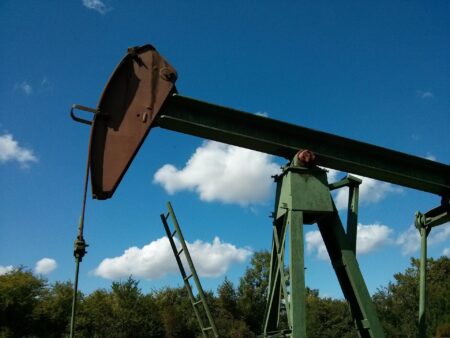
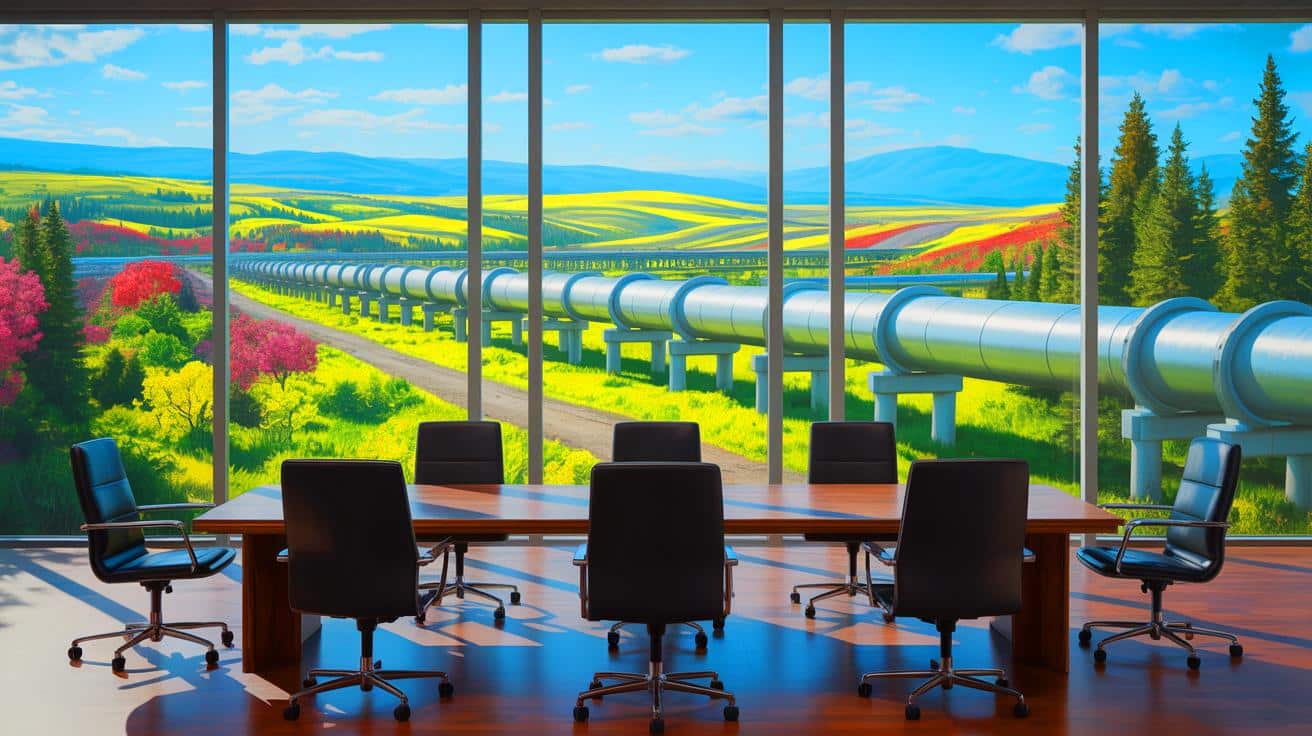
The oil pipeline agreement, which pledges federal support for a new pipeline to Canada’s west coast, has stirred controversy in a province where environmental issues hold significant sway. Quebec’s electorate, which has often rallied behind climate-focused initiatives, may view the deal as a step back from the province’s environmental aspirations. This tension highlights the delicate balance Carney must strike to maintain support in Quebec while addressing national energy needs.
Trump Finalizes Gulf Oil Lease, Proposes 2026 Alaska Sale: What This Means for U.S. Energy Future
Environmental Legacy and Policy Reversals
Guilbeault’s resignation also brings attention to the dismantling of his environmental legacy within the government. As a former environment minister, Guilbeault had championed several initiatives aimed at reducing carbon emissions and promoting sustainable practices. However, recent policy reversals, such as the repeal of consumer carbon pricing and the delay of zero-emission vehicle policies, have raised concerns about the government’s commitment to environmental goals.
These policy shifts reflect broader debates about Canada’s energy future and its role in global climate change efforts. The scrapping of the oil and gas sector emissions cap further complicates efforts to align national policies with international climate commitments. Guilbeault’s resignation underscores the challenges of navigating these complex policy landscapes while maintaining political cohesion within the Liberal Party.
Future Political Dynamics
The resignation of a high-profile cabinet minister like Guilbeault has far-reaching implications for Canadian politics. His departure not only highlights internal party divisions but also raises questions about the future of Canada’s energy and environmental policies. As Guilbeault remains in Parliament, his ongoing influence could shape future debates and decisions within the Liberal caucus.
Prime Minister Carney’s response to Guilbeault’s resignation suggests a willingness to engage in constructive dialogue. Carney expressed gratitude for Guilbeault’s continued contributions as a Member of Parliament, emphasizing the importance of diverse perspectives within the party. This approach may help mitigate some of the political fallout from Guilbeault’s departure and foster a more inclusive discussion on energy policies.
As Canada grapples with the complexities of balancing economic development with environmental responsibility, Guilbeault’s resignation serves as a reminder of the challenges ahead. How will the Liberal Party navigate these tensions, and what impact will these developments have on Canada’s approach to energy and climate policies?


Wow, who knew politics could be such a soap opera? 🍿
Will Guilbeault’s resignation lead to a shift in Canada’s environmental policies? 🤔
Does anyone else think Guilbeault’s resignation is more about politics than principles?
Wow, this is a huge blow to Carney’s leadership. How will he recover from this?
Thank you for covering this complex issue. It’s important to hear all sides. 🌍
Why wasn’t Indigenous consultation prioritized from the start? Seems like a major oversight.
Thank you for the update! It’s crucial to stay informed about these political shifts.
Is this the beginning of the end for Carney’s leadership? 🤔
I appreciate Guilbeault standing up for environmental issues, but was this the best way to do it?
👏 Bravo to Guilbeault for standing by his principles, but what’s next for Quebec?
How will this affect the Liberal Party’s standing in Quebec?
Another day, another political drama… when will it end?
Isn’t it time for Canada to prioritize renewable energy over oil pipelines? 🌿
Can we just agree that pipelines are a bad idea in 2023?
Do politicians ever think about the long-term impact of their decisions?
I don’t get it, why is everyone upset about this deal? It’s just business as usual.
Thank you, Mr. Guilbeault, for your continued fight for the environment. 🙏