



| IN A NUTSHELL |
|
In a groundbreaking development at the Norwegian Institute of BIOeconomy Research (NIBIO), scientists have discovered a method to transform carbon-based gases into biomethane, a clean and sustainable alternative to natural gas. Using biofilms, a community of microorganisms that cling to surfaces and each other, researchers have achieved a biomethane purity of 96%. This breakthrough could revolutionize the way we approach energy production and carbon emissions. Researchers employed unconventional substrates like plastic waste and woody biomass in their biomethane production process, showcasing the potential for broader applications in renewable energy.
New Approaches to Biofilm Technology
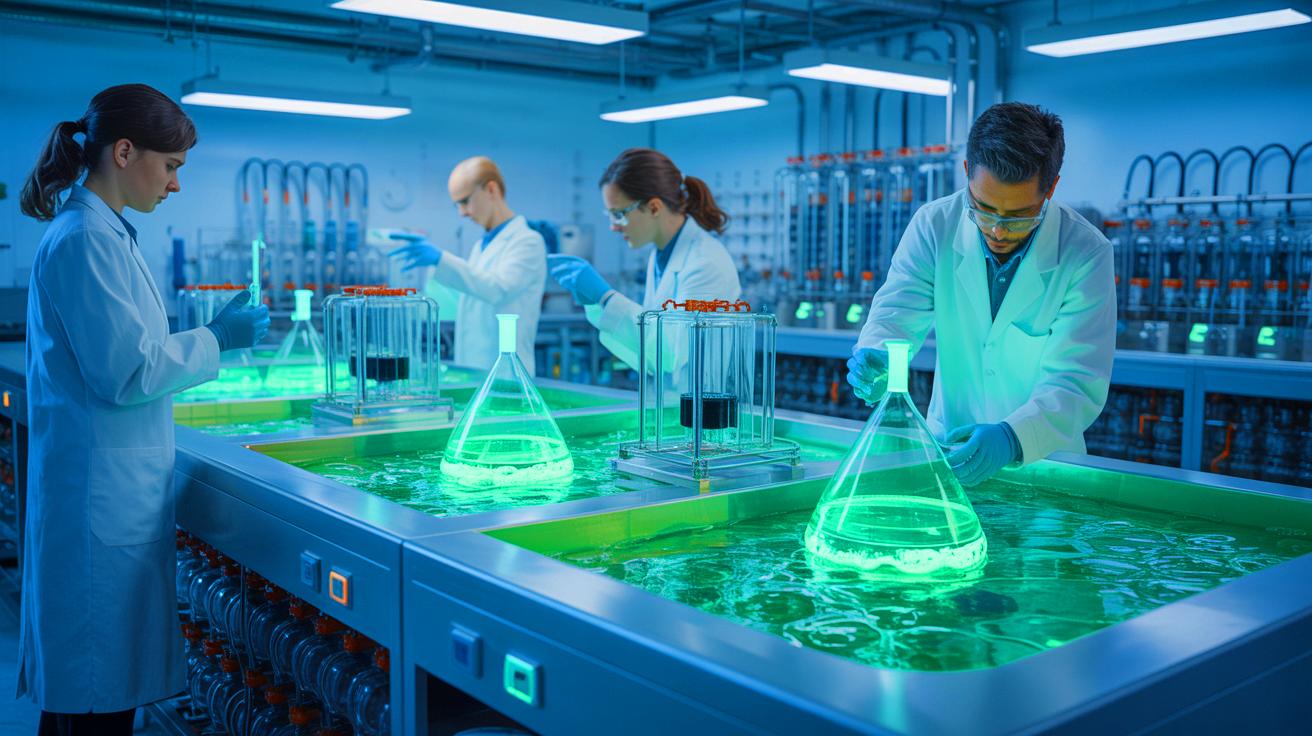
Biofilms have become a focal point in the innovative process of converting harmful gases into usable fuel. These biofilms consist of microorganisms that form a slimy matrix, working together to process gases such as carbon dioxide and carbon monoxide. This matrix includes biological components like lipids, proteins, and sugars, which facilitate the transformation into methane. A traditional biogas production plant relies on matter decomposition, but the biofilm-based process allows for more precise conversion, resulting in higher purity yields.
Lu Feng, a research scientist at NIBIO, explained the process, stating, “Our aim has been to engineer the biofilm to work for us for targeted conversion, either by using fixed or moving bed reactors.” This method opens new avenues for converting climate-impacting gases into valuable energy resources, offering a cleaner alternative to conventional methods. The innovative use of biofilms illustrates the potential for significant advancements in renewable energy technology.
Aiming for High Methane Quality
Industrial gas streams typically undergo conversion into fuels like methane through bioreactors. However, the presence of gases such as hydrogen sulfide (H2S) and ammonia can hinder production. To address this, the NIBIO team employed Anaerobic Moving Bed Biofilm Reactors (AnMBBRs) to mitigate these challenges. By utilizing biofilms, the researchers improved the gas-liquid contact, increasing the surface area available for reactions and stabilizing the process.
Feng noted that systems without biofilms lost up to 30% of methane, whereas biofilm reactors maintained high methane quality even under extreme H2S conditions. This improvement underscores the potential of biofilm technology to enhance fuel production efficiency. Such advancements could significantly impact industrial processes by ensuring more reliable and higher quality methane output, contributing to a more sustainable future.
Using Unconventional Substrates
The research extended beyond conventional biogas applications, exploring the potential of biofilms in producing other gases, such as syngas—a mixture of hydrogen and carbon monoxide. The team discovered that biofilms allowed for the use of woody biomass and plastic waste, materials traditionally resistant to degradation in bioprocesses.
However, the introduction of hydrogen into the process showed increased methane production but required precise control to avoid imbalance. Feng emphasized the need for careful management, adding, “Biofilm reactors have great potential, but they require careful control to function optimally at an industrial scale.” This research indicates that biofilm-based processes could become crucial in reducing harmful gas emissions while simultaneously producing renewable energy.
Implications for the Future
The implications of this research are vast, offering a robust and flexible platform for future biogas production. By utilizing biofilms, the potential to transform waste and harmful gases into clean energy becomes feasible, presenting a significant opportunity to address global energy and environmental challenges. The technology could play a vital role in reducing emissions and producing renewable energy.
Feng concluded, “Biofilm-based processes offer a robust and flexible platform for future biogas production.”
As researchers continue to refine and develop biofilm technologies, the potential for widespread industrial application grows. The success of these processes could mark a critical step toward sustainable energy solutions and a reduction in the harmful effects of climate-impacting gases.
As this innovative technology progresses, questions arise about the scalability and economic feasibility of biofilm-based fuel production. Can these methods be adapted for large-scale industrial use, and how might they integrate with existing energy infrastructures? The answers will determine the role biofilms play in the future of renewable energy.

Wow, 96% purity is impressive! How soon can this tech be implemented on a large scale? 🏭
This sounds great, but how energy-intensive is the process itself? ⚡
Finally a use for all those plastic bags! 🙌
Can this process be used to turn other types of waste into energy?
I wonder how this compares cost-wise to traditional natural gas production. 🤔
Great work, Norwegian scientists! Thanks for pushing the boundaries of renewable energy. 👏