



| IN A NUTSHELL |
|
In a remarkable turn of events, a seemingly ordinary drive through the Texas countryside led to the discovery of an incredibly rare animal. When John Becker spotted what he initially thought was a stray sheep along the roadside, he was unprepared for the surprise awaiting him. Upon closer inspection, this fluffy, white creature revealed itself to be an albino fawn, a rare and vulnerable member of the deer family. This discovery set off a chain of events that not only highlighted the challenges faced by albino animals in the wild but also underscored the profound impact of human compassion and intervention in wildlife rescue.
A Roadside Surprise Turns Into an Unexpected Rescue
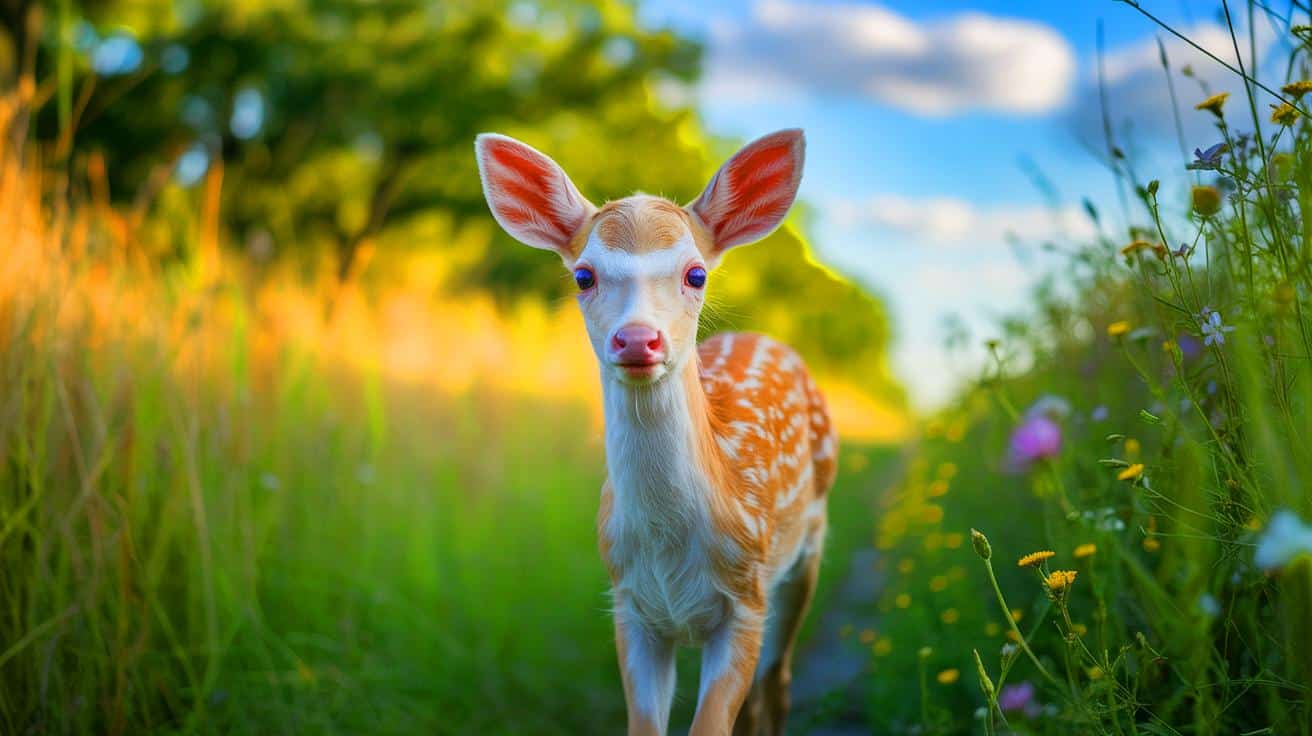
While driving down a quiet Texas road, John Becker encountered what appeared to be a stray sheep. His curiosity piqued, he pulled over to assist. However, as he approached the animal, he realized that it was not a sheep at all. Instead, it was an albino fawn, its delicate frame and pink-tinted eyes setting it apart from anything he’d expected to find.
This discovery was significant. Albino fawns are extremely rare in the wild due to their lack of camouflage, making them vulnerable to predators. Becker understood the immediate danger this young deer faced and knew he had to intervene. With gentle care, he transported the fawn to a nearby wildlife rehabilitation center, a decision that would prove crucial to the fawn’s survival.
The Fawn Finds Safety in the Hands of Experts
At the wildlife rehabilitation center, experts quickly assessed the situation. The fawn, estimated to be just a few months old, had apparently been abandoned. This was unusual, as deer mothers rarely leave their young behind. The fawn’s stark white coat posed a significant risk, making it an easy target for predators. Moreover, albino deer often experience health issues such as vision impairments, compounding their vulnerability.
The rehabilitation team was well-prepared for the challenges ahead. With their expertise in wildlife care, they devised a plan to nurture the fawn back to health. They understood that this was a special case, requiring not only medical attention but also a strategy for eventual reintegration into the wild. Their commitment to the fawn’s well-being highlighted the dedication needed in wildlife conservation efforts.
A Second Rescue in California
Remarkably, Becker’s experience was not an isolated incident. In California, a truck driver encountered a similar situation, mistaking another albino fawn for a lamb. Upon realizing the creature’s true identity, he contacted Kindred Spirits Fawn Rescue, a wildlife center in Loomis, California. The staff there took in the fawn, naming it Spirit, and marveled at its rare condition.
Diane Nicholas, president of the rescue center, expressed gratitude that Spirit had been found unharmed. Albino fawns like Spirit face numerous obstacles, and their survival often hinges on timely human intervention. The rescue center’s team was committed to providing Spirit with the care and support necessary for its survival, underscoring the importance of specialized wildlife rehabilitation facilities.
The Road Ahead for Spirit and Other Albino Fawns
For Spirit and the fawn rescued by Becker, the journey towards recovery and eventual release into the wild is a long one. The rehabilitation process involves teaching them essential survival skills, such as foraging and socializing with other deer. The goal is to reintegrate them into herds that may have other albino members, increasing their chances of acceptance and survival.
John Becker’s unexpected encounter serves as a heartwarming reminder of how even small acts of kindness can have a significant impact. His quick response not only saved a rare creature but also emphasized the role individuals can play in wildlife preservation. As Spirit and other albino fawns continue their journey, their stories inspire hope and action in the ongoing efforts to protect vulnerable species.
The rescue of these albino fawns highlights the delicate balance between nature and human intervention. While their rarity and vulnerability present challenges, it also offers an opportunity for conservationists and everyday individuals to make a difference. As these fawns embark on their journey back to the wild, one must wonder: How can we further protect and support such rare creatures in a world where their existence is constantly threatened?


What an incredible story! John’s quick thinking truly made a difference. 🦌❤️
Wow, what a story! Who knew Texas had such rare wildlife encounters? 🦌
Was the fawn eventually released back into the wild?
John Becker is a hero! It’s amazing how one decision can make such a difference.
This is why we need more people like John! Thank you for being a hero. 🙌
Why do albino animals seem more vulnerable in the wild? 🤔
Wow, mistaking a fawn for a sheep? Maybe John needs glasses! 😂
Are albino fawns really that rare? I had no idea!
Did anyone else laugh when they read he thought it was a sheep? 😂
Is there a follow-up on the fawn’s condition?
This article really highlights the importance of wildlife rehabilitation centers. Kudos to all involved!
Great job, John! This is the kind of news we need more of. 🌟
What happened to the fawn’s mother? Did they ever find her?
How common are albino fawns in the US? I’ve never seen one before!