




| IN A NUTSHELL |
|
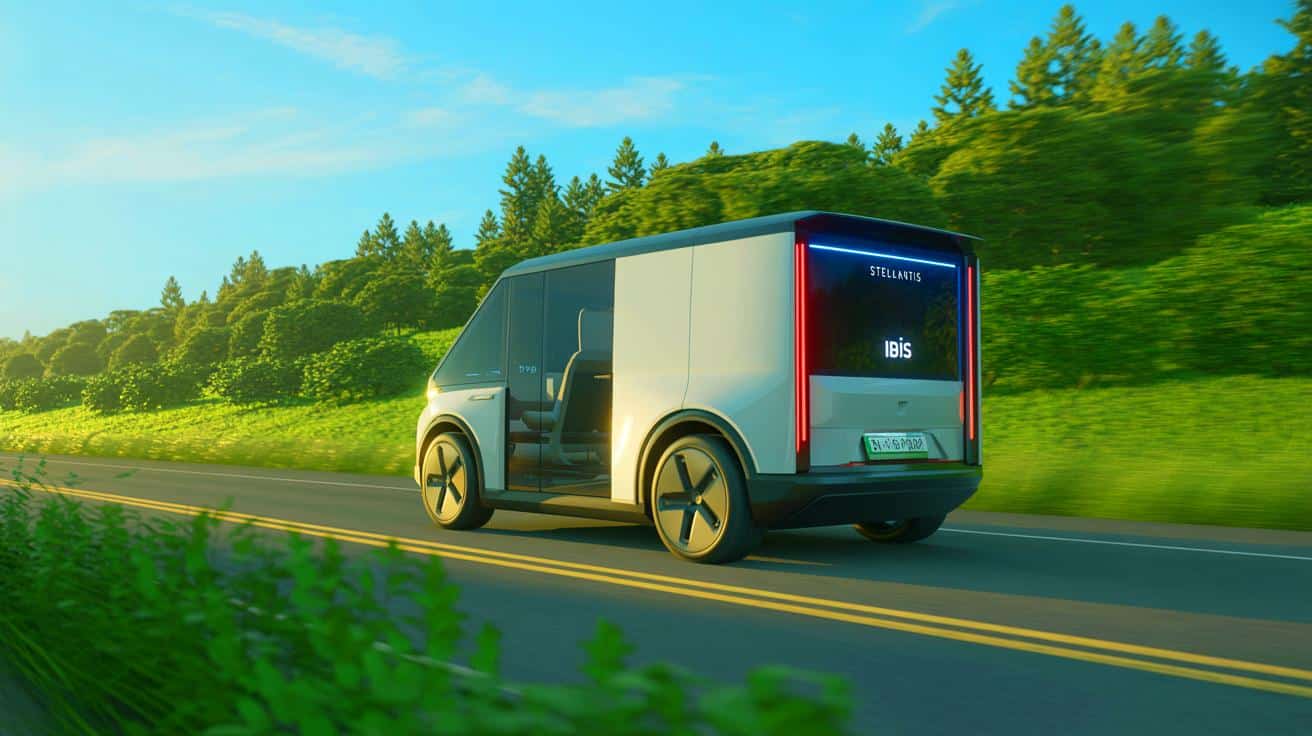
In the rapidly evolving landscape of electric vehicles (EVs), Stellantis, a leading global automaker, has made significant strides with its latest innovation. The company, which oversees brands such as Dodge, Jeep, and Fiat, recently reported a major efficiency boost in its electric vehicles, thanks to a groundbreaking new battery system. This achievement is a testament to Stellantis’s commitment to advancing EV technology, promising more efficient and affordable options for consumers. Utilizing the Intelligent Battery Integrated System (IBIS), the company’s real-world tests revealed a remarkable 10% increase in energy efficiency, pushing the range of their EVs beyond 300 miles. This development could potentially reshape the future of electric transportation.
Understanding the IBIS System
At the heart of Stellantis’s innovation is the IBIS, or Intelligent Battery Integrated System. This system is designed to enhance battery efficiency through sophisticated software that individually manages the voltage of each battery module. Initially tested in a stationary battery setup connected to the grid, IBIS has now demonstrated its efficacy in on-road driving conditions. According to Ned Curic, Stellantis’s Chief Engineering and Technology Officer, the simplification of the electric powertrain architecture has been key. “By rethinking and simplifying the electric powertrain architecture, we are making it lighter, more efficient, and more cost-effective,” Curic stated. This approach not only reduces the vehicle’s weight by approximately 88 pounds, but also frees up nearly a cubic foot of space.
The early results from IBIS indicate a 15% faster charging time, a 10% energy savings, and a 15% increase in power output. Such improvements highlight the potential for delivering better and more affordable EVs to consumers. This system’s capability to manage energy more efficiently is a crucial step in enhancing the performance and appeal of electric vehicles.
Achieving Lower Weight and Faster Charging
One of the standout features of the IBIS system is its ability to reduce vehicle weight and improve charging efficiency. By eliminating separate hardware components like the charger and inverter, Stellantis has managed to cut down on unnecessary weight and energy losses. These components traditionally play a role in converting AC power from a wall outlet into DC for the battery, and then back into AC to power the motor. The removal of these components not only saves weight but also streamlines the energy conversion process.
The Peugeot e-3008, equipped with the IBIS system, demonstrated a 10% reduction in energy use on Europe's WLTC driving cycle. Additionally, the AC charging time was reduced from seven to six hours when using a 7 kW home charger. The space saved by removing these components also offers potential improvements in aerodynamics, providing designers with greater flexibility in future EV models.
Software-Controlled Battery Modules
The IBIS system comprises 288 nickel-manganese-cobalt cells organized into 24 modules, with a total capacity of 65 kWh. During testing, the system achieved a maximum power output of 172 kW, which is 15% higher than the standard e-3008 model. The ability to control each module individually via software is a key innovation, allowing for more efficient energy management and enabling AC output without the need for additional hardware.
This modular approach also allows for the possibility of swapping out individual modules for those with different cell chemistries, extending the battery's lifespan and simplifying repairs. Stellantis engineers are actively exploring the potential of pairing IBIS with all-wheel drive systems and other demanding applications. While "cell-to-pack" designs without modules have not yet been fully tested, the potential for future development is significant. With production potentially starting by the end of the decade, Stellantis is positioning itself as a leader in advanced battery technology.
Collaborative Efforts and Future Prospects
The development of the IBIS system is the result of a collaborative effort involving 25 engineers from Stellantis and its partners, including Saft, E2CAD, and Sherpa Engineering. The project also benefited from funding through France's Future Investment Plan, underscoring the importance of international cooperation in advancing EV technology. This collaboration highlights the global nature of innovation in the automotive industry and the shared goal of creating more sustainable transportation solutions.
As Stellantis continues to refine and expand the IBIS system, its potential applications and benefits are becoming increasingly clear. The company's focus on simplifying and optimizing battery technology could have far-reaching implications for the future of electric vehicles. As production timelines approach, one key question remains: how will this innovation influence the broader adoption of electric vehicles and the future of transportation?

Wow, Stellantis really stepping up the EV game! Tesla, watch out! 🚗⚡
Wow, this sounds like a game-changer! How soon can we expect to see this technology in new EV models? 🚗
So, Tesla is in trouble now? Or is this headline just clickbait?
Can someone explain how removing 88 pounds makes Tesla’s tech worthless? Sounds exaggerated.
88 pounds lighter? That’s impressive! But how does it affect the car’s performance and safety?
Great job Stellantis! This is the kind of innovation we need for a sustainable future. 🌍
I’m skeptical. Can Stellantis really outdo Tesla’s tech in just six hours? 🤔
Is it just me, or does the article overhype Stellantis’s new technology?
Is the IBIS system compatible with existing electric vehicle models, or only new ones?
How does the IBIS system compare in cost to existing battery systems? Is it actually cheaper?
Grate article! Looking forward to more updates on this tech.
88 pounds lighter? That’s almost like removing a passenger! Impressive work. 😂
Will this new system make EVs more affordable for the average consumer?
Thank you for the detailed breakdown of the IBIS system. It’s fascinating to see modular battery tech evolve.
Finally, some competition for Tesla! Competition is always good for innovation. 😄
What’s the lifespan of these new battery modules, and how do they compare to traditional ones?
Thanks for the informative article. Keep up the good work!
Can individual module control really make that much of a difference in efficiency?
Is this the end for Tesla, or just another bump in the road for them? 🛣️
What impact does this have on the driving range of Stellantis’s EVs?
This is a big claim. When can we see real-world results to back it up?
I’m excited to see how this will affect the EV market as a whole.
Will these advancements make it to the American market, or is it Europe-only for now?
With such innovation, will Stellantis lead the EV industry in the next decade? 🚀
I’m not buying it until I see some real data. Show me the numbers!
How does this system handle extreme weather conditions? ⚡️❄️
Pretty bold headline there. Let’s see if it’s as revolutionary as claimed.
Does this mean Stellantis will surpass Tesla in market share soon?
Great read! What’s next for Stellantis’s research and development team?
How will this affect Tesla’s stock prices in the coming months?
Can they really reduce charging time by 15%? That would be amazing!
Is this tech going to be available in the affordable models, or just the luxury ones?
French engineers did it again! Can’t wait to see more innovations like this. 🇫🇷
I’m curious about the environmental impact of producing these new batteries. 🌱
How does IBIS compare to other battery technologies currently in development?
Is the 10% energy efficiency increase consistent in all driving conditions?
Another day, another “Tesla killer.” Let’s see how this one pans out. 😏
When will Stellantis officially launch the first car with this system?
It would be great to know more about the global partners involved in this project.
Is there any impact on the battery’s recyclability with this new system?