



| IN A NUTSHELL |
|
China is making significant strides in renewable energy, focusing on offshore wind power to bolster its marine economy. As part of this effort, the country has recently completed the assembly of the world’s largest floating offshore wind turbine. This project, based in Beihai, Guangxi Zhuang Autonomous Region, represents a leap forward in China’s clean energy ambitions. President Xi Jinping has identified offshore wind energy as a crucial element in advancing the high-quality development of the marine economy. With this new turbine, China aims to increase its energy security and contribute to global efforts to combat climate change.
China’s Bold Move in Offshore Wind Energy
China’s latest venture into offshore wind energy marks a significant milestone in its renewable energy strategy. The country has assembled a 16-megawatt floating offshore wind power system, touted as the largest in the world. This development underscores China’s commitment to expanding its marine economy and clean energy industry. President Xi Jinping has emphasized the importance of offshore wind energy as a key sector in advancing high-quality development. By focusing on this area, China aims to enhance its energy security and reduce its carbon footprint. The project, located in Beihai, Guangxi Zhuang Autonomous Region, highlights China’s ambition to lead in renewable energy technology.
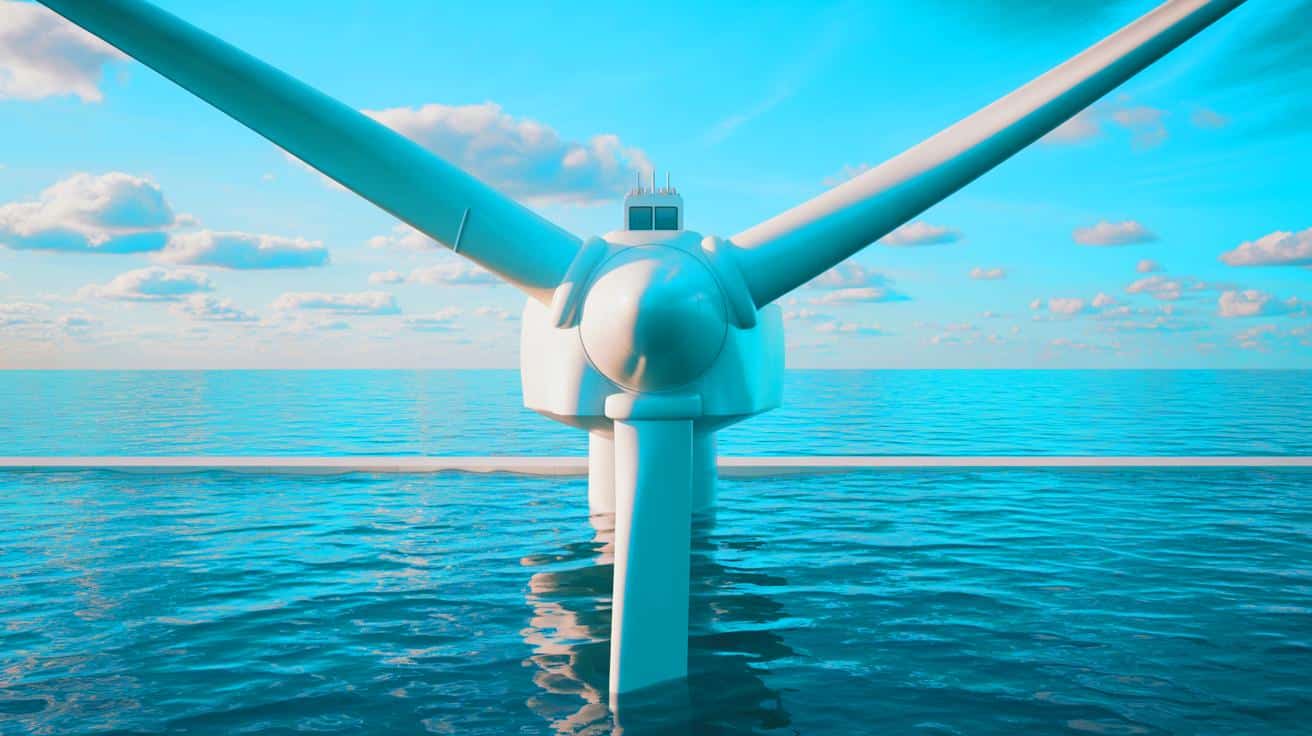
The construction of this massive turbine involved the domestic production of all its key components. From mooring cables to turbine gearboxes and ballast control systems, the project relied on local resources and expertise. The rotor of the turbine, with a diameter of nearly 827 feet, is designed to cover an area equivalent to seven soccer fields. Once operational, it is expected to generate approximately 44.7 million kilowatt-hours of electricity annually. This output is enough to power over 4,000 average American homes, showcasing the potential impact of this renewable energy source.
Technological Innovations and Challenges
The assembly of China's floating wind turbine showcases several technological innovations. Mounted on a semi-submersible platform, the turbine is equipped with China's first dynamic ballast system. This system is designed to enhance the stability and efficiency of the turbine as it operates in deep waters. The turbine will be towed offshore into depths exceeding 164 feet for installation and testing. The successful deployment of this system could set a precedent for future offshore wind projects, not only in China but globally.
However, the project is not without its challenges. Operating a floating wind turbine in deep waters requires overcoming technical hurdles related to stability, maintenance, and energy transmission. The dynamic nature of the ocean environment poses risks that must be addressed to ensure the turbine's long-term viability. Additionally, integrating the generated electricity into the existing grid requires careful planning and infrastructure development. Despite these challenges, China's progress in offshore wind energy demonstrates its resolve to lead in renewable energy technology.
Implications for the Global Energy Landscape
China's advancements in offshore wind energy have significant implications for the global energy landscape. As the world's largest emitter of greenhouse gases, China's efforts to transition to renewable energy sources are crucial in the fight against climate change. The successful implementation of the floating wind turbine project could serve as a model for other countries seeking to expand their renewable energy capacity. By investing in domestic production and innovation, China positions itself as a leader in clean energy technology.
The scale and ambition of China's offshore wind project also highlight the country's commitment to reducing its reliance on fossil fuels. As global energy demands continue to rise, the shift towards renewable energy sources becomes increasingly important. China's progress in this area signals a broader trend towards sustainable energy solutions. If successful, the floating wind turbine project could encourage other nations to accelerate their renewable energy initiatives, fostering international collaboration in tackling climate change.
Future Prospects and Considerations
Looking ahead, China's floating wind turbine project offers insights into the future of renewable energy. The project represents a crucial step in China's journey towards energy independence and sustainability. By harnessing the power of offshore wind, China can diversify its energy sources and reduce its carbon footprint. This initiative aligns with the country's broader goals of achieving high-quality development and enhancing energy security.
However, the project's success will depend on several factors, including the ability to overcome technical challenges and effectively integrate the generated electricity into the grid. As China continues to invest in renewable energy, it will be essential to balance innovation with practical considerations. The floating wind turbine project serves as a test case for future developments in marine energy. As the world faces the pressing challenge of climate change, how will China’s advancements in offshore wind energy influence global efforts to transition to sustainable energy sources?



This is impressive! But how long will it take for other countries to catch up? 🌍
Wow, this is amazing! 🌬️ How do they keep it stable in deep waters?
4,000 homes powered by one turbine? That’s absolutely incredible! 👍
Isn’t it risky to rely so heavily on offshore wind? What about maintenance costs?
Not sure how I feel about China leading in renewables. 🤔
Wow, China is really stepping up its renewable energy game! 🚀
Great job, China! Thank you for taking steps to reduce carbon emissions! 🌍
Does anyone know how long it took to build this turbine?
Can this tech be adapted for use in other parts of the world, like Europe or the US?
Why aren’t more countries doing this? The world needs more renewable energy projects like this!
Thank you for the detailed article! It’s inspiring to see such commitment to clean energy.
Pretty impressive, but what about the environmental impact on marine life? 🐟