



| IN A NUTSHELL |
|
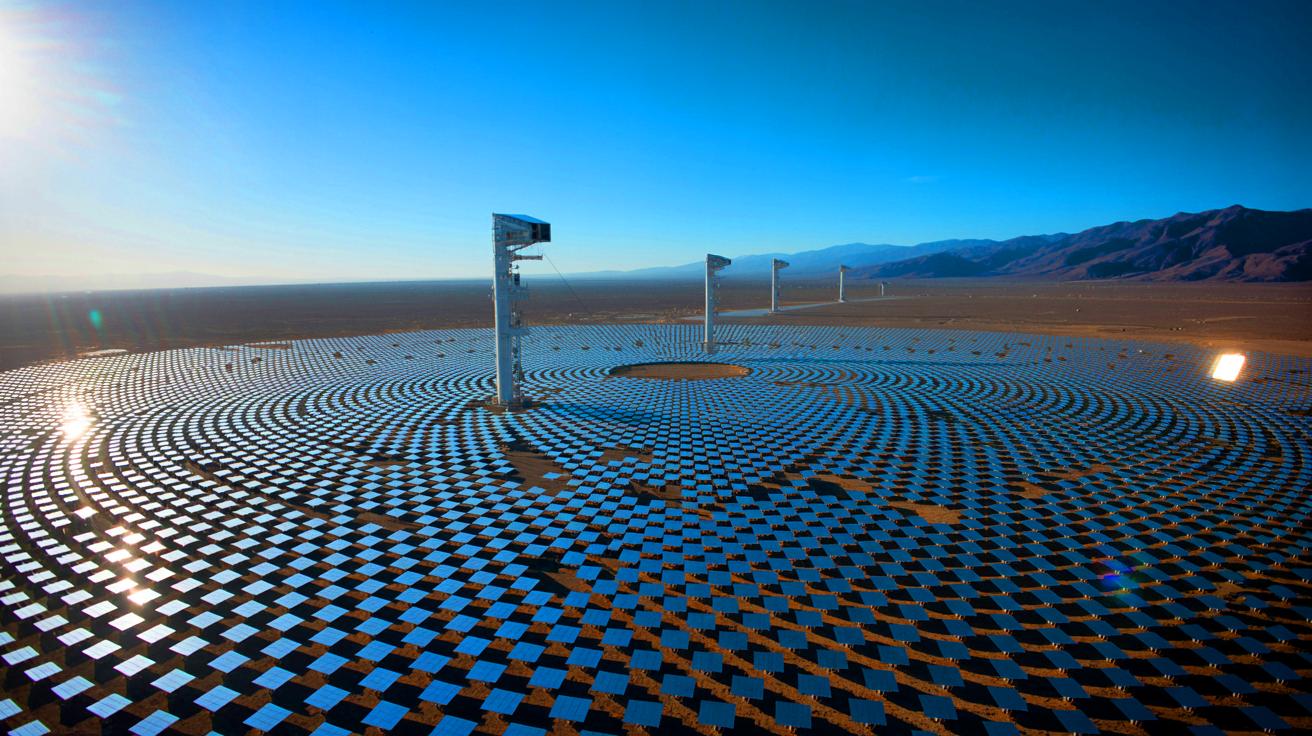
In the heart of California’s Mojave Desert, a once-celebrated beacon of clean energy, the Ivanpah Solar Electric Generating System (ISEGS), is preparing to dim its lights for good. Launched in 2014, this vast solar thermal power plant, with its 173,500 heliostats forming perfect rings around towering receivers, was a symbol of innovation and ambition in renewable energy. Yet, technological hurdles, economic challenges, and environmental concerns have cast a shadow over its future. Set to cease operations in 2026, Ivanpah’s story is a poignant reminder of the complexities and evolving nature of sustainable energy initiatives.
The Reason Behind the Ivanpah Solar Electric Generating System Shutdown
Once heralded as a groundbreaking innovation, the Ivanpah facility was designed to harness the sun’s power in a novel way. Its 459-foot towers, equipped to produce 386 megawatts, positioned it as one of the most ambitious solar thermal projects on the planet. However, despite its initial promise, the California Energy Commission has confirmed that Ivanpah will shut down in 2026. This decision reflects a series of setbacks that have plagued the project since its inception.
Ivanpah’s most significant challenge has been its inability to meet energy production targets. Unlike traditional solar farms, Ivanpah relied heavily on gas auxiliary boilers to maintain operations, which undermined its clean energy credentials. In contrast, rooftop solar installations and other solar farms have proven to be more efficient and cost-effective solutions, leading to a decline in energy prices and demand for Ivanpah’s output.
The financial burden of the project, which included $1.6 billion in federal loan guarantees and a $2.2 billion investment, has become untenable in the face of these challenges. The project's initial backers, including NRG Energy, BrightSource, and Google, have had to grapple with the reality that Ivanpah's operational costs outweigh its benefits. As a result, the decision to shutter the facility reflects a broader shift in energy priorities, favoring more reliable and economical solutions.
Ivanpah's Environmental Impact and Wildlife Concerns
Beyond its economic challenges, Ivanpah has faced criticism for its environmental impact, particularly concerning wildlife. The intense beams of sunlight reflected between the heliostats and towers can reach temperatures of up to 1,000 degrees Fahrenheit. This phenomenon creates "solar flux zones," which have been linked to the deaths of approximately 6,000 birds, according to the Association of Avian Veterinarians.
The unintended consequences of Ivanpah's operations have raised questions about the sustainability of such large-scale solar thermal projects. While the facility was initially seen as a testament to human ingenuity, the execution of the project revealed significant flaws that have had lasting environmental repercussions. The high bird mortality rates have sparked debates about the ethical implications of renewable energy projects and their impact on local ecosystems.
These environmental concerns have contributed to the growing perception that Ivanpah's vision, though ambitious, was ultimately misguided. As the facility prepares to close, it serves as a cautionary tale about the importance of balancing innovation with ecological considerations in the pursuit of sustainable energy solutions.
Ivanpah as a Symbol of Shifting Energy Strategies
The closure of Ivanpah is not merely a story of failure but also a reflection of the dynamic nature of energy strategies. When the project received approval from the California Energy Commission in 2010, solar thermal technology was at the forefront of renewable energy innovation. However, nearly two decades later, advancements in solar photovoltaic solutions have outpaced Ivanpah, rendering its technology obsolete.
As energy priorities have shifted, the legacy of Ivanpah lies in its role as a pioneer in the renewable energy sector. While the facility may not have lived up to its full potential, it has paved the way for future investments in more efficient and sustainable technologies. The lessons learned from Ivanpah's challenges will undoubtedly inform the development of new energy projects that prioritize both economic viability and environmental responsibility.
Although some view Ivanpah's closure as a setback, others see it as an opportunity to reassess and refine energy strategies. The plant's shutdown underscores the need for flexibility and adaptability in the face of rapidly changing technological landscapes. As the energy sector continues to evolve, Ivanpah's story serves as a reminder that progress often involves learning from past mistakes and embracing new possibilities.
The Final Sun Rays for Ivanpah's Light
As the sun sets on Ivanpah's operations, the facility's towering heliostats stand as a testament to both the promise and pitfalls of renewable energy innovation. Once a symbol of hope and progress, the plant now faces an uncertain future as it prepares to fade into the desert sands. Yet, Ivanpah's legacy is not one of failure, but of valuable lessons learned.
The closure of this iconic project highlights the importance of ongoing evaluation and adaptation in the pursuit of sustainable energy solutions. As new technologies emerge and energy strategies evolve, the experiences of Ivanpah will continue to inform future endeavors. The question remains: how will the lessons of Ivanpah shape the next generation of renewable energy initiatives?

So it turns out Ivanpah was more of a bird roaster than a solar plant? 😅
Wow! So much money wasted! What were they thinking? 🤦♂️
This is why we need to test more before going big. Lessons learned, I guess.
What will happen to all that equipment when the plant shuts down? Is it recyclable?
How many birds exactly did it kill? Seems like a terrible oversight.
It’s sad to see such a big investment go to waste. Hopefully, lessons were learned!
Thanks for the update. Sad to see it go, but makes sense with the newer tech.
Why did it take so long to realize the environmental impact on birds? 🤔
Did they factor in the bird deaths during planning? Seems like a huge miss! 🐦
As a Californian, I’m more worried about the wasted funds than the birds TBH.
Wasn’t there a way to retrofit the plant to prevent bird deaths?
Thanks for the informative article! The balance between tech and nature is crucial.
I wonder what new projects will rise from Ivanpah’s ashes. 🔥
What a colossal failure! How could they not foresee these challenges?
Did Ivanpah have any success stories during its operation?
Interesting read! It’s a reminder that not all innovations are successful.
Why didn’t they just switch to photovoltaic panels sooner? 🤷♂️
It’s a shame it didn’t work out. What a waste of potential and resources!
This is why we need more testing before launching such massive projects.
Maybe the birds should’ve worn sunscreen. 😂
What are the next steps for the investors involved in this project?
Does this mean solar thermal tech is dead, or are there still hopes for improvements?
So it’s a bird killer and a money pit. Great combo! 🙄
Thank you for shedding light on this issue. More people need to know.
Honestly thought this was a satire piece when I first read the title. 😬
Are there any similar projects worldwide facing the same issues?
Hope they can use this land for something more beneficial now.
Is the shutdown final, or is there room for future innovation at the site?
Can we get a documentary on this? Seems like quite the saga!
How many more birds need to die before we learn our lessons? 😟