




| IN A NUTSHELL |
|
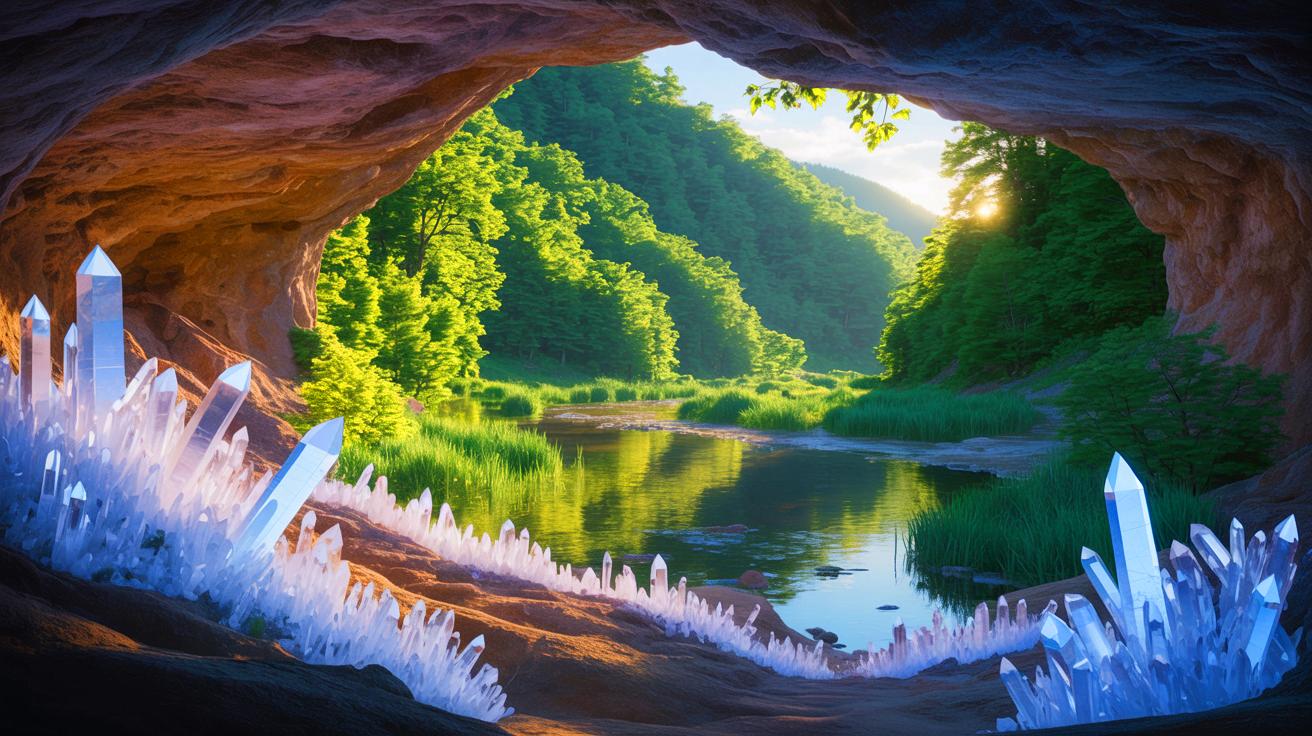
In the remote valley of Jadar in western Serbia, a remarkable mineral discovery has captured the attention of scientists and industry experts alike. First identified in 2004, this unique white crystal, named jadarite, shares an intriguing similarity to the fictional kryptonite from popular culture. Beyond its intriguing nomenclature, jadarite holds significant promise in the realm of energy storage, specifically due to its concentration of lithium and boron. As the world moves towards a sustainable future, the potential of jadarite as a key player in the energy transition cannot be overlooked, though it remains mired in environmental and political controversy.
A Geological Marvel Emerges in the Balkans
The discovery of jadarite was an unexpected breakthrough in the field of geology. In 2004, geologists from the company Rio Tinto were conducting routine explorations for borates in the Jadar Valley when they stumbled upon a mysterious white powder. This unknown substance caught the attention of the scientific community, prompting analyses by prestigious institutions like the Natural History Museum in London and Canada’s National Research Council. By 2006, it was officially recognized as a new mineral and fittingly named jadarite, after the region of its discovery.
What sets jadarite apart is its chemical composition, LiNaSiB₃O₇(OH), which remarkably parallels that of fictional kryptonite. This coincidence sparked global media attention, casting a spotlight on the mineral’s potential. However, the true value of jadarite lies in its concentration of lithium and boron, both crucial for modern energy storage technologies. According to research published in Nature Geoscience, the formation of jadarite is attributed to a rare geological balance within a closed volcanic basin rich in alkaline ash, resulting in a unique crystallization process.
The Energetic Promise and Controversy of Jadarite
Jadarite’s strategic value is undeniable. Estimates by Rio Tinto suggest the presence of over two million tons of lithium beneath the valley, enough to power millions of electric vehicle batteries for decades. The lithium content in jadarite is comparable to spodumene but reportedly requires less energy for extraction. Additionally, the recovery of boron as a byproduct enhances the deposit’s attractiveness. Michael Page from the Australian Nuclear Science and Technology Organisation has highlighted the mineral’s potential role in the global energy transition, representing both a future without oil and the logistical challenges of responsible extraction.
However, the pathway to harnessing jadarite’s potential is fraught with challenges. The Jadar Project, intended to exploit this resource, has faced significant opposition from local residents and environmentalists. Concerns outlined in environmental impact reports include potential soil and groundwater contamination. The extensive landscape transformation and delicate management of mining byproducts have led to widespread alarm. On January 20, 2022, following public protests, the Serbian government revoked drilling permits, reflecting the tension between industrial ambitions and environmental preservation.
Political and Citizen Challenges Slow Down Exploitation
The suspension of the Jadar Project did not signal an end to the debate. Behind the scenes, discussions continue as Rio Tinto remains committed to reviving the initiative. As of July 2023, the project has resurfaced in a new form, though skepticism prevails. The divide between industrial objectives and local realities remains stark. For many residents, the valley’s subsurface represents a heritage to preserve, not a resource to exploit.
Serbian authorities, caught between economic pressures and electoral mandates, tread cautiously. The project’s revival may not materialize until 2028, contingent on overcoming numerous technical, legal, and social hurdles. Meanwhile, some laboratories are exploring alternative avenues. According to CSIRO, a synthetic version of jadarite has been developed, exhibiting pink fluorescence under UV light. This development, albeit preliminary, hints at potentially less invasive alternatives to natural extraction.
The jadarite case exemplifies a recurring tension in the critical metals industry. To reduce reliance on fossil fuels, strategic materials must be extracted. Yet, each mining operation risks awakening different forms of environmental destruction. The future of energy seems as dependent on the chemistry of rocks as on our ability to reconcile progress with ecosystem preservation.
As the world grapples with the dual challenges of resource extraction and environmental protection, the story of jadarite offers valuable insights. It poses a critical question: how can we balance the urgent need for sustainable energy solutions with the imperative to protect our planet’s delicate ecosystems?

Is it just me, or does this sound like a plot from a superhero movie? 🤔
Why do we always discover these valuable minerals in the middle of environmental controversy?
Great article! I had no idea jadarite even existed. Thanks for the info!
Serbia’s got its own kryptonite? Who’s the superhero to save the day? 😂
Can synthetic alternatives really solve the environmental issues of mining jadarite?
Thank you for shedding light on this issue. It’s crucial to find a balance between progress and preservation.
What’s the likelihood that the Jadar Project will resume despite local opposition?
Sounds like the locals are right to be worried. Mining can be incredibly destructive.