




| IN A NUTSHELL |
|
In Ramsey Sound, Wales, an ambitious project called DeltaStream was set in motion by Tidal Energy Ltd (TEL). This innovative endeavor aimed to harness the power of ocean currents to generate clean energy. DeltaStream, with a capacity of 400 kW, represented a leap forward in sustainable energy production. By delving 100 meters beneath the sea, it sought to redefine how we perceive renewable energy. The project highlighted the potential of ocean currents as a viable energy source and underscored the importance of sustainable innovation in addressing global energy needs.
DeltaStream: Harnessing Tidal Energy
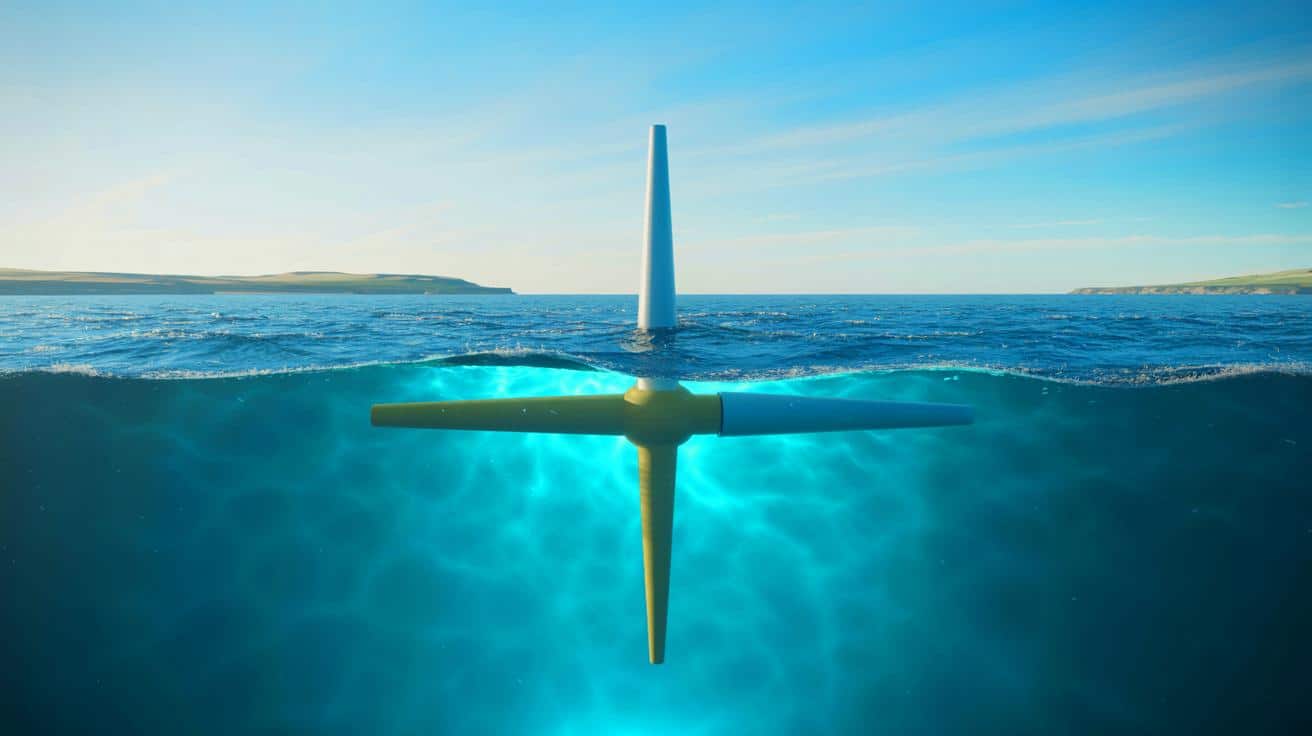
DeltaStream was designed as an energy conversion system, transforming the kinetic energy of tidal flows into electricity. At its core was a triangular steel base that rested on the seabed, with a penetrating tip anchoring it securely. This design ensured that the installation did not disrupt the marine environment. The turbines were housed within a fiber-reinforced plastic encasement, equipped with an automated hydraulic yaw system. This allowed the turbines to align with tidal flows, maximizing energy capture from all directions.
The generator at Ramsey Sound had a capacity of 400 kW, demonstrating the technology’s potential. Electricity produced by the turbines was transmitted to the grid via a submarine cable and monitored using a Supervisory Control and Data Acquisition (SCADA) system. This setup enabled precise tracking of grid efficiency and power generation, showcasing the feasibility of tidal energy as a reliable source of electricity.
Strategic Placement in Ramsey Sound
The choice of Ramsey Sound for the DeltaStream project was strategic and carefully considered. After evaluating 24 potential sites across the U.K., Ramsey Sound was selected for its unique attributes. One of the primary reasons was its fast tidal flows, with Spring tides reaching speeds of up to 6 knots (approximately 7 mph). The depth of over 196 feet facilitated straightforward installation and operation.
Additionally, the area was free from undersea obstructions, ensuring smooth functioning of the turbines. Ramsey Sound’s well-documented ecological environment allowed for effective monitoring of the project’s environmental impact. The location’s natural shelter from prevailing wind and wave conditions, along with reliable grid connections, further solidified its suitability for the DeltaStream project.
Environmental Considerations: A Priority for TEL
Tidal Energy Ltd prioritized environmental considerations in the development of DeltaStream. An Environmental Impact Assessment (EIA) was conducted to evaluate the project’s effects on marine life. The findings were encouraging, revealing minimal impact on marine mammals and negligible changes in habitat use. The impact on local bird populations was also assessed, with results indicating minimal disruption.
Despite the positive environmental findings, the project faced technical and financial challenges. The early decommissioning of the turbine was attributed to a flaw in the sonar-based mammal detection system and other mechanical issues. However, the project laid the groundwork for future advancements in underwater wind turbine technology, demonstrating the feasibility of sustainable marine energy generation.
DeltaStream’s Legacy and Future Prospects
Although DeltaStream was operational for a short period, from December 2015 to March 2016, it marked a significant step toward renewable marine energy. The project’s contribution of 400 kW to the Welsh grid may seem modest, but it highlighted the untapped potential of ocean currents. This initiative paved the way for ongoing development of underwater turbines, showcasing the promise of marine technology in meeting the demand for cleaner power.
The design underwent rigorous testing at Cranfield University, and the real-world application in Ramsey Sound demonstrated the viability of tidal energy systems. The lessons learned from DeltaStream continue to inform advancements in marine energy technology, emphasizing the potential that lies beneath the ocean’s surface. As the world seeks sustainable solutions to energy challenges, the story of DeltaStream serves as a reminder of the possibilities that await exploration.
DeltaStream’s journey in Ramsey Sound illustrates the challenges and triumphs of harnessing tidal energy. The project’s legacy is a testament to the potential of renewable marine energy as a sustainable power source. As we look to the future, the question remains: how can we further unlock the energy potential of our oceans to create a greener and more sustainable world?


Absolutely fascinating! Does this mean we can expect more tidal energy projects in the future? 🌊
Wow, 400 kW from the ocean! 🌊 That’s impressive! How soon can this technology be scaled up?
Wow, 400 kW is impressive! How does it compare to wind or solar energy capacity? 🤔
Great initiative, but what about the maintenance costs underwater? Seems expensive! 🤔
I’m a little skeptical. How can they be sure there’s minimal impact on marine life?
I’m curious, how did they ensure minimal impact on marine life? Sounds too good to be true!
Thank you for sharing this! It’s great to see renewable energy projects thriving in Wales. 😊
This is a fantastic step forward for renewable energy. Keep up the good work! 🌍
This is interesting, but with such a short operational period, can it really be considered a success?
What happens when there’s a storm? Aren’t the turbines at risk of damage? ⚡
What happens to the project now that it’s been decommissioned? Any plans for future installations?
How much does a project like DeltaStream cost to set up and maintain?
DeltaStream is a cool name for a project. Sounds like something out of a sci-fi movie! 🚀