



| IN A NUTSHELL |
|
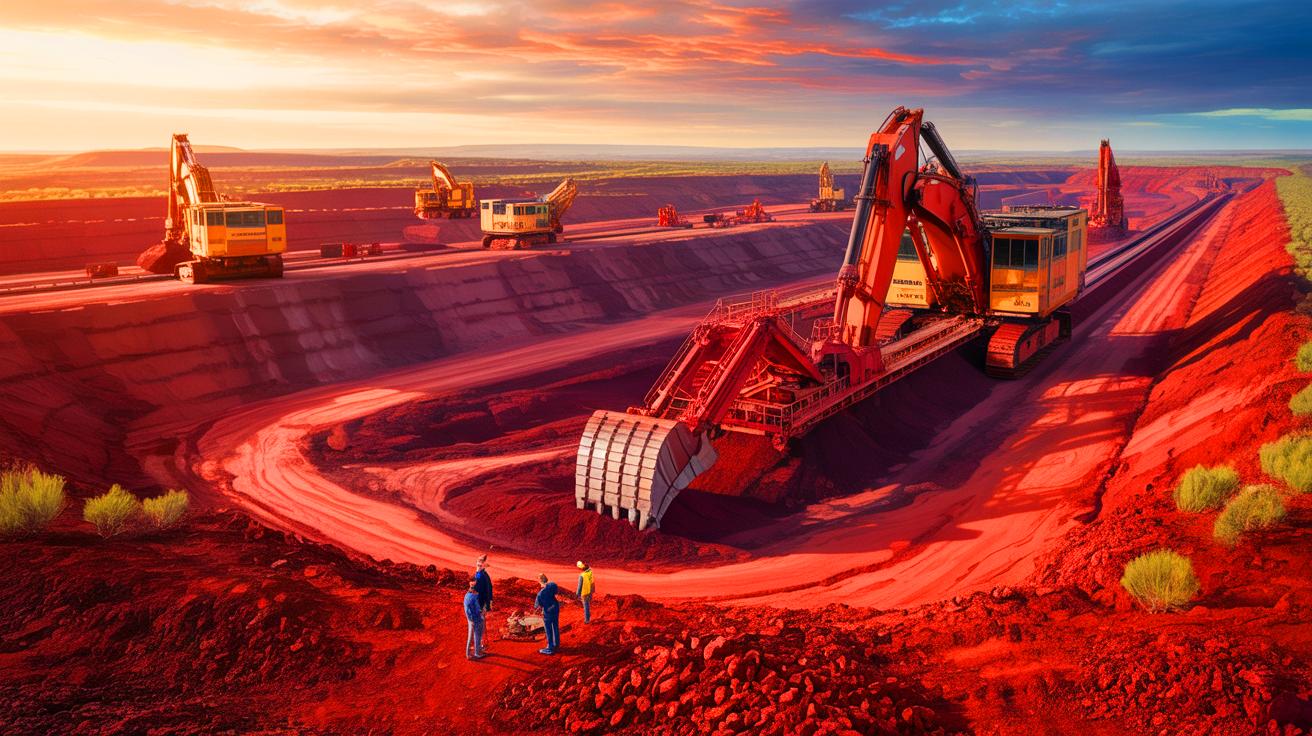
In a remote corner of Western Australia, geologists have unveiled a discovery that could reshape the global iron landscape. The Pilbara region, already known for its mineral wealth, is now home to the largest iron ore deposit ever recorded, valued at nearly $6 trillion. This monumental find promises to impact not only the mining industry but also the dynamics of international trade and our understanding of Earth’s geological history. As experts delve deeper into this discovery, the implications are poised to resonate across continents and industries.
The Heart of the Pilbara: A Treasure Trove of Iron
Located in the arid landscapes of Western Australia, the Pilbara region has long been a significant player in the mining world. The recent discovery of an enormous iron ore deposit further cements its reputation. Advanced technological methods have enabled scientists to uncover iron concentrations that exceed 60%, which is significantly higher than previously estimated. This new data reshapes our understanding of the region’s geological richness.
Geological studies have revealed that these formations, once thought to be around 2.2 billion years old, are actually closer to 1.4 billion years. This revelation has profound implications for understanding the ancient processes that contributed to such immense mineral concentrations. The dynamic movements of Earth’s crust, millions of years ago, appear to have created ideal conditions for these deposits. As a result, this discovery not only provides insights into Earth’s past but also opens up possibilities for similar findings in other parts of the world.
Technological Advances Uncover Hidden Depths
Modern technology has played a crucial role in this groundbreaking discovery. Using advanced isotopic dating and chemical analyses, geologists have identified both the vast size and exceptional quality of the ore. Initial estimates of iron content were around 30%, but advanced techniques have revealed concentrations exceeding 60%, making this one of the richest deposits ever found.
These technological advances have implications beyond mere academic interest. They enable more efficient and environmentally responsible mining practices, reducing waste and improving extraction methods. This not only benefits the mining industry but also sets a benchmark for future explorations. As researchers continue to refine these techniques, the potential for uncovering other vast deposits grows, promising further revelations about Earth’s mineral wealth.
Global Impact on the Iron Market
Australia already holds a dominant position in the global iron market, and this discovery further solidifies its influence. The sheer scale of the deposit is expected to affect iron ore prices worldwide, potentially altering economic and strategic relationships between nations dependent on iron imports. This shift could lead to new alliances and trade agreements, reshaping the global mining landscape.
Beyond economic ramifications, this deposit challenges long-standing assumptions about Earth’s geological development. As scientists study the region further, they hope to gain insights into the processes that shaped our planet’s surface and its mineral wealth. These discoveries could redefine our understanding of mineral formation and encourage further exploration in similar geological settings across the globe.
Rewriting the Geological Narrative
The implications of this discovery extend beyond immediate economic benefits. The immense deposit has the potential to rewrite chapters of geological history, challenging long-held scientific beliefs. As geologists continue to explore the region, they aim to uncover more about the ancient processes that led to such significant mineral concentrations.
This discovery not only enhances our understanding of Earth’s past but also inspires future research. The insights gained could lead to further breakthroughs in geology and mining, opening up new opportunities for exploration and discovery. As the scientific community delves deeper into the mysteries of the Pilbara region, the potential for uncovering other vast mineral deposits increases, promising exciting developments in the years to come.
As the world grapples with the implications of this monumental find, the question remains: what other secrets lie hidden beneath Earth’s surface, waiting to challenge our understanding and reshape our world?


Wow, $6 trillion! That’s a lot of zeros! 💰 How do they even begin to calculate such a value?
Does this mean we’ll see cheaper prices for products that use iron? 🤔
The environmental impact of mining is a concern. I hope they have plans for sustainable extraction.
What are the political implications of this discovery for Australia and its trading partners?
Someone call Iron Man, we found his retirement fund! 🦾
I’m curious about the technology used to find this deposit. Can someone explain how it works?
Great article! Thanks for keeping us informed about global developments. 🌍
I wonder how accurate these geological age estimates are. Could they change with new data?
Why is the iron concentration so important? Isn’t all iron the same?
Hope this doesn’t lead to another resource war. 🌐
How long will it take to start mining this deposit?
This discovery sounds like a game-changer for the global economy.
What will happen to the local communities in the Pilbara region? Will they benefit from this?
Does this discovery affect the steel industry directly?
Why aren’t more people talking about this? It’s huge news!
How does this compare to other large mineral discoveries in history?
Isn’t it ironic that we find such a massive deposit just when we’re pushing for green energy? 😅
Impressive find, but let’s hope it doesn’t lead to overexploitation of resources.
How much of this deposit is actually recoverable?
Can this discovery lead to a new understanding of mineral formation on other planets? 🌌
How does this impact the US-China trade relationship?
I’m no geologist, but this sounds like a big deal. Can someone explain it to me in layman’s terms?
Is this the largest deposit ever, or just the richest in terms of concentration?
How will this affect the Australian economy in the long run?
The article mentioned advanced techniques. What exactly are these techniques?
Why does this discovery challenge existing geological theories?
Fantastic news for Australia! But what does this mean for the rest of the world? 🌏
Are there similar unexplored regions elsewhere that could hold such deposits?
Isn’t it amazing what modern technology can uncover? 🔍
Could this lead to a decrease in iron ore prices globally?
How does this impact other iron-producing countries?
Are there any potential downsides to this massive discovery?
Will this lead to new scientific research in the field of geology?
What are the implications for future mining operations in terms of technology and strategy?