



| IN A NUTSHELL |
|
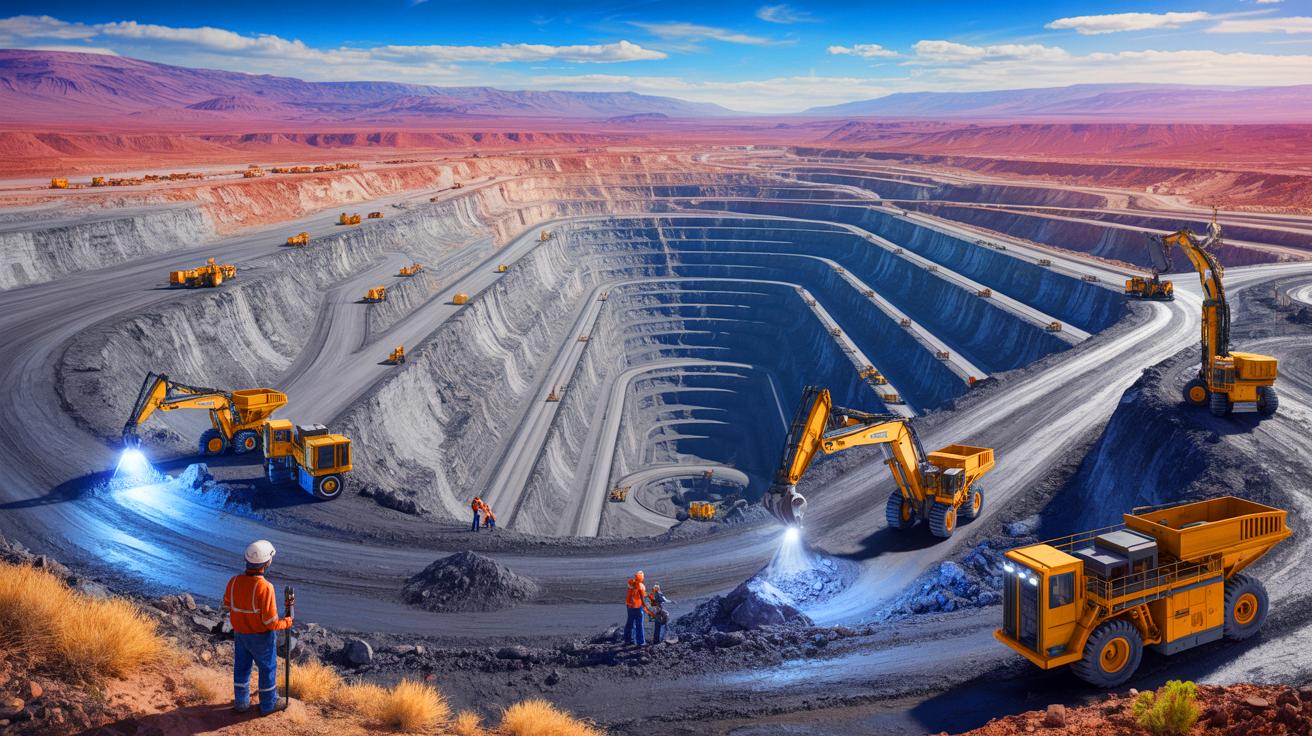
The United States is positioning itself to become a global leader in lithium production through a strategic partnership involving Lithium Americas, General Motors, and the U.S. Department of Energy. This collaboration aims to establish the largest lithium source in the Western Hemisphere by 2028. Located in Nevada, the Thacker Pass project is expected to produce 40,000 metric tons of battery-grade lithium carbonate annually. This output will be sufficient to power 800,000 electric vehicles, significantly reducing America’s reliance on Chinese lithium processing. The initiative represents a broader government effort to invest in sectors critical to national interests, marking a pivotal shift in the global battery supply chain.
Government Claims a Lithium Future in America
The U.S. Department of Energy has taken a 5% stake in the Thacker Pass joint venture, signaling the government’s commitment to bolster domestic lithium production. This move is part of a broader strategy to invest in industries deemed vital to national security. Alongside investments in companies like Intel and MP Materials, the government’s stake in Lithium Americas underscores its focus on strengthening the country’s technological and mineral resource capabilities.
Following the announcement, shares of Lithium Americas surged by over 32%. The Vancouver-based company has secured an agreement with the Department of Energy to initiate a $435 million loan draw, part of a larger $2.26 billion loan package aimed at supporting the mine’s development. Scheduled to open by 2028, the Thacker Pass mine is expected to play a crucial role in reshaping the lithium supply chain in the United States.
The American Mining Investment Is Motivated by the Dominance of China
As the world’s largest lithium processor, China currently refines 75% of global lithium into battery-grade material. This dominance has prompted American policymakers from both parties to advocate for increased domestic production of critical minerals. The Thacker Pass project is a strategic effort to reduce U.S. dependence on Chinese lithium, aiming to transform America from a minor player into a significant supplier.
Currently, U.S. lithium production is limited, with a Nevada facility owned by Albemarle producing less than 5,000 metric tons annually. The first phase of Thacker Pass will increase this capacity eightfold, positioning the U.S. as a key player in the global lithium market. This expansion is expected to enhance the resilience of domestic supply chains and support the growing demand for electric vehicles.
Energy Secretary Puts the Focus on Economic Viability Protection
Energy Secretary Chris Wright has emphasized the importance of government intervention in ensuring the economic viability of the Thacker Pass project. With China exerting downward pressure on lithium prices, the Department of Energy’s involvement aims to safeguard taxpayer interests and secure the project’s financial stability. The government’s equity stake, alongside GM’s partnership, is intended to provide long-term strategic control over essential battery materials.
The Nevada mine has the potential to produce enough lithium to power 800,000 electric vehicles annually, marking a significant shift in the global battery supply chain dynamics. By securing access to critical resources, the U.S. aims to protect its automotive industry from foreign supply disruptions and establish itself as a leader in clean energy technologies.
The Strategic Alliance Guarantees a Lithium Supply Chain in the Home Country
In 2022, General Motors made a significant investment in the Thacker Pass project, acquiring a 38% stake for $625 million. This investment grants GM the right to purchase 100% of the mine’s output during the first phase and a share in the second phase. The new agreement allows Lithium Americas to sell unallocated lithium production to other parties, further strengthening the domestic supply chain.
This strategic alliance aims to secure a stable supply of lithium for the U.S. automotive industry, reducing dependence on foreign sources. By investing in domestic production, GM and its partners seek to ensure the availability of essential materials for electric vehicle manufacturing, mitigating potential supply chain disruptions. This alignment of corporate and national interests highlights the importance of collaboration in advancing the country’s energy independence goals.
The Thacker Pass project represents a significant step toward establishing the U.S. as a leader in lithium production and battery technology. By investing in domestic resources, the government aims to decrease reliance on foreign imports and bolster national security. As the global demand for electric vehicles continues to rise, how will this strategic initiative shape the future of the U.S. energy landscape and its position in the international market?

Wow, $2 billion is a hefty investment! Hope it pays off. 😅
Wow, $2 billion is quite the gamble! Hope it’s worth it. 🤞
Can this project actually meet its goal by 2028?
Is the U.S. really ready to compete with China’s lithium industry?
This sounds promising, but what are the environmental impacts of lithium mining?
I’m glad to see the U.S. taking charge of its own resources! 🇺🇸
With GM involved, does that mean cheaper electric vehicles in the future? 🤔
What are the environmental impacts of this massive mining operation?
Finally, a plan that can reduce our reliance on China! Let’s go! 🇺🇸
This sounds like a much-needed step for energy independence. Thank you for the insight!
800,000 EVs a year? That’s a lot of Teslas! 🚗
The government is betting big on this one. Hope it pays off!
Why is lithium so important for the future of electric vehicles?
Is there any local opposition to the Thacker Pass mine?
Can someone explain why lithium is so crucial for EV batteries?
Hope this doesn’t turn into another Solyndra! 🙈
How long will it take before this mine is fully operational?
Seems like a strategic move to cut ties with China. Smart thinking!
How will this impact the local communities in Nevada?
Should we be worried about potential environmental issues from mining? 🌍
Great to see the U.S. stepping up in the global lithium market!
When will we know if this investment is paying off?
Does this mean we’ll have cheaper EVs in the future? 🤔
What are the potential risks if this project doesn’t succeed?
I’m a bit skeptical about the timelines. 2028 seems far away!
Is this project creating jobs for Americans?
How does this compare to other lithium projects around the world?
Why hasn’t the U.S. done this sooner?
Excited to see how this changes the EV market in the next decade!
Is this mine going to be sustainable in the long run?
Are there any risks of over-reliance on domestic lithium sources?
Let’s hope this really helps reduce our carbon footprint! 🌱