




| IN A NUTSHELL |
|
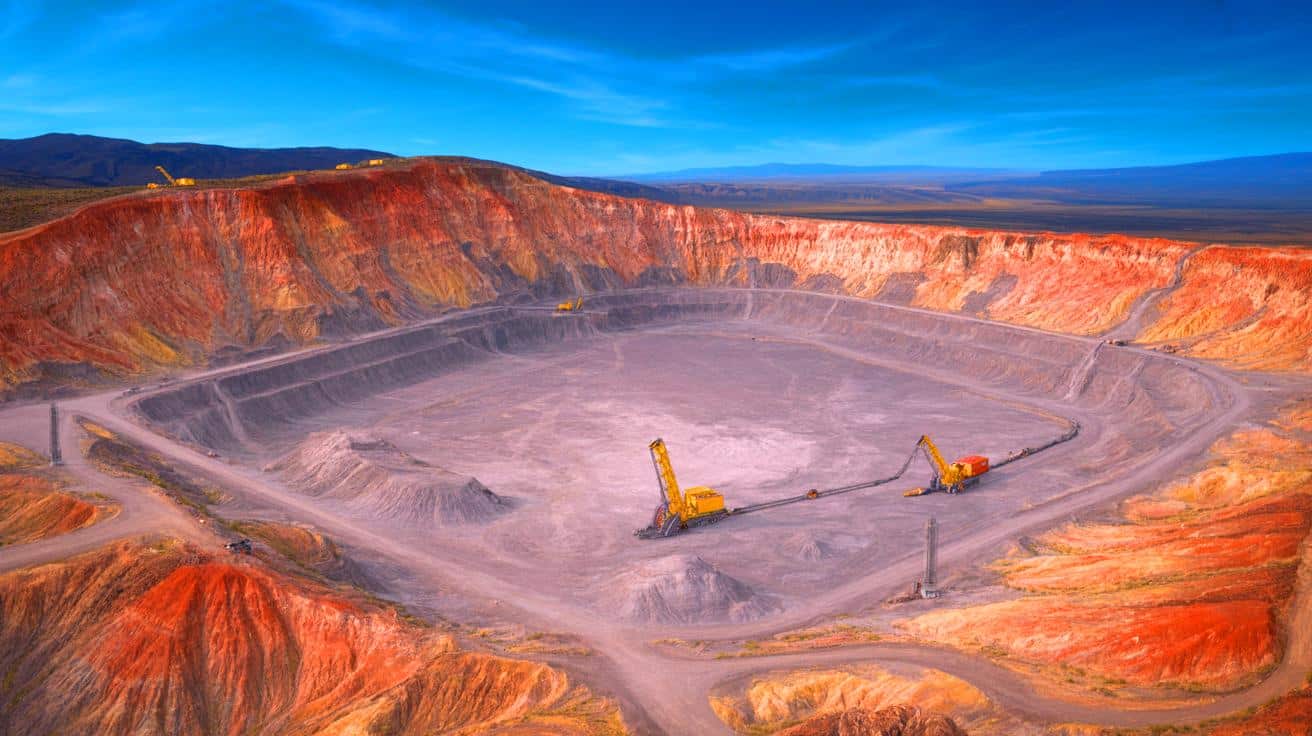
In a significant development for global mineral supply chains, a discovery in the western United States might alter the longstanding dominance of China in the rare earths market. The McDermitt Caldera, a dormant volcanic crater located on the border of Nevada and Oregon, holds an ancient mineral deposit that could satisfy global lithium demands for years to come. This discovery not only holds promise for the U.S. in terms of economic independence but also in advancing its clean energy initiatives. However, challenges remain in leveraging this find to its full potential, as America seeks to secure a stronger foothold in the global lithium market.
The Wonderful McDermitt Caldera Discovery
In 2023, the McDermitt Caldera emerged as a site of immense interest following the discovery of 40 million metric tons of lithium within its bounds. This finding, possibly the largest lithium reserve globally, owes its origins to volcanic activity from around 16 million years ago, leaving behind a treasure trove of valuable minerals. As the world intensifies efforts towards decarbonization, the demand for lithium, a critical component in batteries for electric vehicles and renewable energy systems, is projected to skyrocket by 2035.
The significance of this discovery cannot be overstated. While China has long been a leader in lithium supply, the McDermitt Caldera positions the United States to potentially transform its role in the global energy landscape. With plans to initiate production by 2026, the firm Lithium Americas aims to supply lithium sufficient for thousands of electric vehicles annually. Should these ambitions materialize, the U.S. would be poised to take a lead in the lithium market.
The Fight Towards a Cleaner Energy Future and a Secure Nation
The strategic importance of lithium extends beyond energy; it is increasingly becoming a matter of national security. China currently processes about 60% of the world’s lithium, dominating the production of lithium batteries. The U.S., by contrast, has only one major lithium production site at Silver Peak in Nevada. The McDermitt Caldera deposit, therefore, represents a critical opportunity for the U.S. to reduce its reliance on foreign lithium.
However, extracting lithium from the McDermitt Caldera is no simple task. The lithium is embedded in clay minerals like hectorite, which require advanced processing techniques. To capitalize on this resource, the United States must invest in infrastructure akin to that of China. Policymakers are advocating for a vertically integrated lithium industry, which would encompass everything from extraction to battery production, thereby enhancing America’s energy independence.
Considering the Challenges That May Be Faced at McDermitt Caldera
Despite its potential, the McDermitt Caldera discovery is not without challenges. Environmental concerns loom large, as the proposed lithium extraction site is considered sacred by several Native American tribes. Legal challenges have been filed, arguing that mining operations could damage cultural heritage and violate federal law.
Beyond cultural concerns, environmental impacts such as habitat destruction and emissions from extraction processes pose significant hurdles. Lithium mining is often criticized for its sustainability issues, and the public calls for stringent environmental protections. Legal and public opposition could delay projects, threatening America’s aspirations for lithium independence. Concurrently, countries like Chile, Argentina, and Australia are accelerating their lithium production, emphasizing the urgent need for the U.S. to address these domestic challenges and remain competitive on the global stage.
Could America Become Lithium-Independent?
The discovery of lithium at McDermitt Caldera signals a potential shift towards U.S. lithium independence. However, realizing this potential requires substantial investment, community engagement, and overcoming legal and environmental hurdles. The vast deposits, dating back 16 million years, could significantly influence America’s sustainability trajectory. Additionally, new findings suggest the presence of other large lithium reserves, underscoring the U.S.’s potential to become a key player in the global lithium market. The question remains: will America successfully navigate these challenges to become a leader in lithium production and secure its energy future?


This sounds like a game-changer for the U.S. energy sector! But how long until we actually see the benefits? 🤔
Wow, 40 million metric tons! That’s a game-changer for the U.S. lithium market! 🚀
Will the Native American tribes get any say in the mining process? Their voices should be heard first!
Has anyone considered the environmental impact of mining in this sacred area? 🌿
Wow, 40 million metric tons of lithium! China better watch out! 😄
Just what we need, more lawsuits! Can’t we ever get anything done smoothly? 🙄
This could be a huge step towards energy independence, but at what cost to the local communities?
Interesting article. I hope the legal challenges are resolved amicably. Thanks for the info!
Are there any estimates on how long it will take to resolve the legal issues?
Does this mean cheaper electric vehicles in the US soon? 🚗⚡
I’m skeptical. How do we know this won’t just end up being another environmental disaster?
What’s the likelihood that the lawsuits will actually stop the mining project?
Finally, some good news in the clean energy sector! 🌿
If this discovery is so massive, why have we only just found it? 🤨
Lithium for days! I hope it doesn’t become another “too good to be true” story.
Thank you for highlighting the environmental concerns. It’s crucial that we don’t overlook them.
When can we expect production to start, assuming there are no delays?
Can the US really compete with China’s infrastructure? Seems like a long shot to me.