




| IN A NUTSHELL |
|
The dawn of Generation Beta marks a new chapter in the ever-evolving story of human generations. With babies born from January 1st, 2025, they join a lineage of distinct generational groups that have shaped society for decades. As the world transitions from Generation Alpha to Generation Beta, new challenges and opportunities emerge. These young individuals are expected to live in a world increasingly dominated by artificial intelligence and automation. As they grow, they will navigate significant societal shifts and contribute to shaping the future. The question remains: how will this new generation influence the trajectory of our global society?
Understanding the Generational Timeline
Generational labels have long been used to categorize individuals born during specific periods, often reflecting the cultural and societal influences that shape their upbringing. With the introduction of Generation Beta, we add another chapter to this evolving narrative. According to McCrindle, a research firm led by social researcher Mark McCrindle, Generation Beta encompasses those born between 2025 and 2039. This follows Generation Alpha, which includes individuals born from 2010 to 2024.
The concept of generational buckets helps provide a framework for understanding societal change. Previous generations, such as Generation Z (1997-2009), Millennials (1981-1996), Generation X (1965-1980), Boomers (1946-1964), and the Silent Generation (1928-1945), each have distinct traits and characteristics influenced by the historical context of their time. These generational labels serve as a lens through which we can explore how different cohorts have responded to and influenced major societal shifts.
The Influence of Technology on Generation Beta
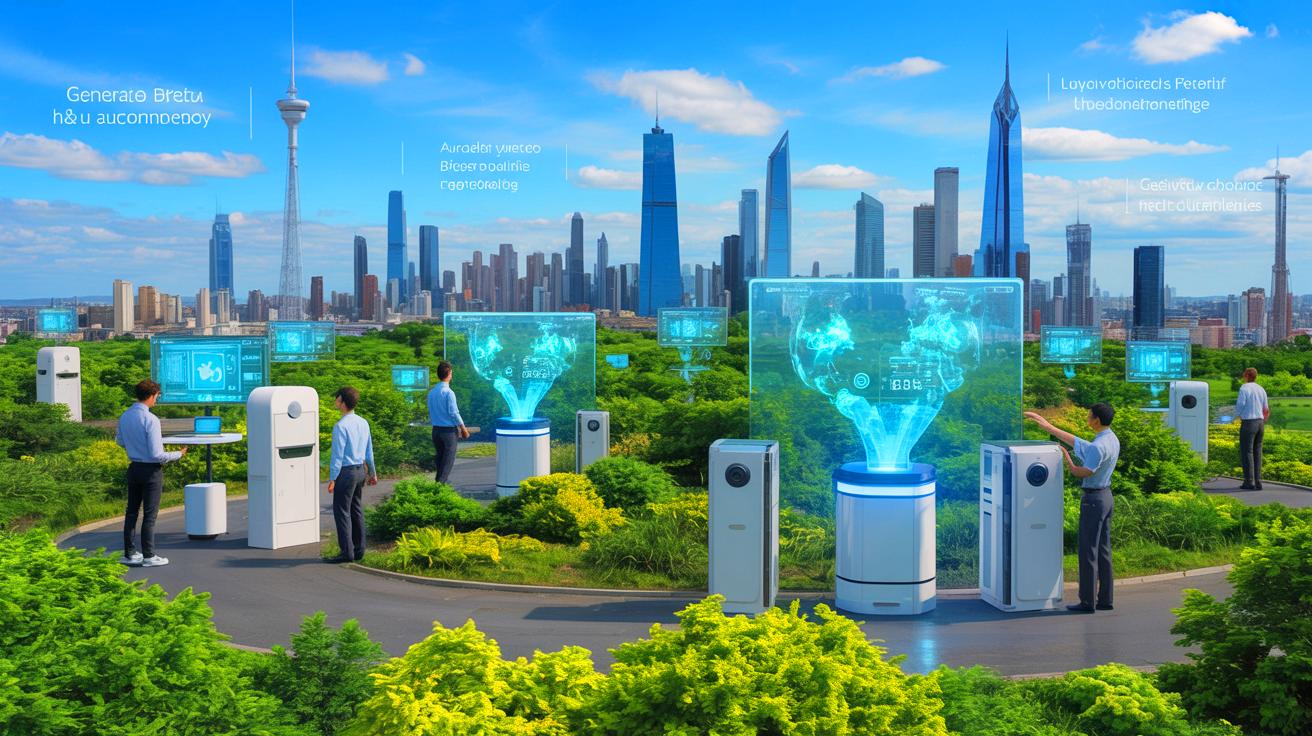
Just as Generation Alpha has been characterized by its relationship with smart technology, Generation Beta is expected to be heavily shaped by advancements in artificial intelligence and automation. These technological developments are set to redefine the way individuals interact with the world. McCrindle suggests that Generation Beta’s lives will be marked by an unprecedented integration of AI into daily life.
The impact of technology on young generations is already evident. For instance, a Pew Research Center study found that one in five students familiar with ChatGPT used it to assist with schoolwork. As AI tools become more widespread, Generation Beta will need to navigate the challenges and opportunities that accompany this technological revolution. Parents and educators will play a crucial role in guiding these young individuals as they learn to balance technology use with real-world experiences.
Challenges Facing Generation Beta
While technology offers numerous benefits, it also presents significant challenges. Generation Beta is expected to confront major societal issues, including the climate crisis and global population shifts. These challenges require innovative solutions and a collective effort to drive meaningful change. As they come of age, members of Generation Beta will have the potential to influence policies and practices aimed at addressing these critical issues.
Parental guidance will be essential in preparing Generation Beta to tackle these challenges. Commentators have previously advised parents of Generation Alpha to limit their children’s exposure to social media due to its potential impact on mental health. As Generation Beta grows, the importance of fostering resilience, critical thinking, and problem-solving skills will become increasingly apparent.
The Debate Over Generational Tags
Despite the usefulness of generational labels, their validity has been questioned by some experts. Michael Dimock, president of the Pew Research Center, suggested in 2019 that these categories should be viewed as a tool for understanding societal change rather than a rigid framework for distinguishing groups. Generational tags can oversimplify differences and may not fully capture the diversity within each cohort.
Nevertheless, these labels provide a starting point for exploring how different generations adapt to and influence the world. As Generation Beta begins to make its mark, it will be crucial to consider both the strengths and limitations of using generational tags as a means of understanding societal dynamics.
As Generation Beta takes its first steps into the world, the impact they will have on society remains to be seen. The challenges and opportunities presented by their era will shape their experiences and beliefs. Will they rise to the occasion and drive transformative change, or will they face obstacles that hinder progress? The future of Generation Beta, like that of all generations before them, is filled with uncertainty and potential. How will they navigate the complexities of their time, and what legacy will they leave for the generations to come?



Wow, Generation Beta—I feel old now! How will they even survive without knowing what a VHS tape is? 😂
Interesting article! Will Generation Beta have their own unique identity or just be an extension of Gen Alpha?
🤔 If AI is going to dominate, what kinds of jobs will be left for humans?
So, are we really saying AI will take over parenting duties? That’s both exciting and terrifying! 🤔
Thank you for this thought-provoking read. It’s both exciting and a bit scary to think about the future!
What will be the implications of AI on parenting techniques? Can AI help parents make better decisions?
Is it just me or does Generation Beta sound like a product launch? Maybe it’s just the “Beta” part.
Can’t wait for flying cars! 🚗💨 Oh, wait, that’s not happening yet?
How will the education system adapt to prepare Gen Beta for such a tech-driven world?
Isn’t it a bit dramatic to say humans will no longer control the world? 🤨
Great article! How will education need to change to prepare Gen Beta for this AI-driven world?
Reading this makes me wonder if Gen Beta will even know what a real book looks like. 📚
Will there be a backlash against technology among Gen Beta, similar to how some Millennials embraced minimalism?
How will AI influence their emotional intelligence and social skills? That’s what I’m curious about.
I’m worried about privacy issues with all this AI. Will Gen Beta be more accepting of surveillance?
How do you see climate change affecting Generation Beta differently than previous generations?
Thanks for the insightful article. It’s fascinating to think about what the future holds for these kids!
AI is cool and all, but what about the ethical implications? 🤖