




| IN A NUTSHELL |
|
In the realm of modern engineering, few structures capture the imagination quite like the world’s tallest bridges. These colossal feats of design not only serve as vital transportation links but also symbolize human ingenuity and ambition. As of 2025, the landscape of bridge engineering continues to evolve, with record-breaking heights and innovative designs reshaping our understanding of what is possible. This article explores the most towering bridges in the world, highlighting their unique features and the transformative impact they have on infrastructure and connectivity.
Pioneering Heights: The Puzhehei Bridge
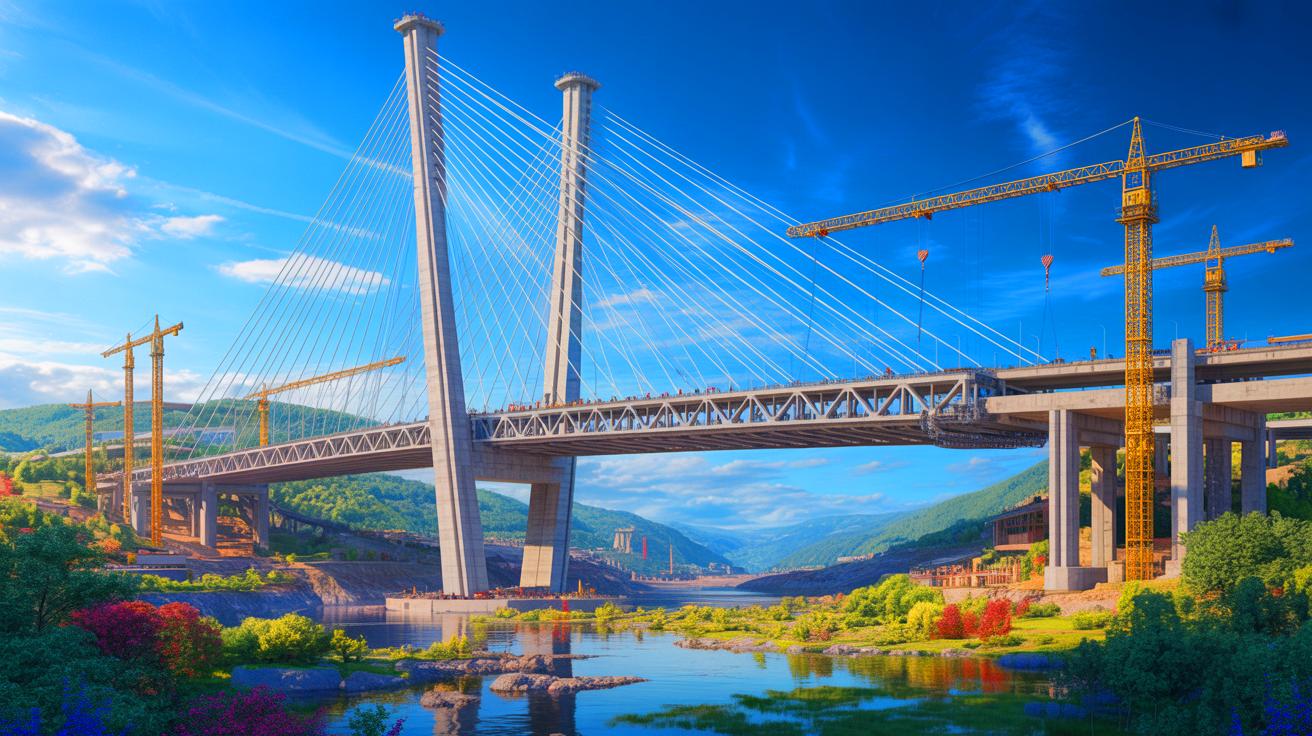
The Puzhehei Bridge, located in Yunnan Province, China, is set to redefine the boundaries of bridge engineering upon its completion. With its western tower reaching a staggering 1,263 feet, it will become the tallest bridge by structural height. This cable-stayed marvel spans 930 meters across the Nanpan River valley, with a deck positioned about 444 meters above the rising reservoir below. Scheduled for completion in 2028, the bridge is designed for expressway traffic and will significantly enhance regional connectivity.
This ambitious project reflects China’s rapid infrastructure expansion and engineering prowess. The Puzhehei Bridge is more than just a transportation link; it represents a commitment to pushing the limits of what’s possible in bridge construction. Its towering height and innovative design make it a symbol of modern engineering excellence.
Changtai Yangtze River Bridge: A Monument of Connectivity
The Changtai Yangtze River Bridge in Jiangsu Province, China, stands as a testament to the fusion of engineering ambition and practical necessity. With towers reaching 1,155 feet, this bridge is not only one of the tallest but also one of the longest, stretching over 10 kilometers across the Yangtze River. Opened in 2025, it features a central cable-stayed span of 1,176 meters, supporting an expressway, local highway, and intercity rail lines.
Engineers utilized advanced steel-concrete composite techniques to construct the Changtai Bridge, requiring precise positioning of components with millimeter accuracy. This integration of multiple transportation modes highlights the bridge's role in enhancing connectivity and facilitating economic growth in the region. It stands as a monumental achievement in modern bridge engineering.
The Ambitious Zhangjiagang-Jingjiang-Rugao Yangtze River Bridge
The upcoming Zhangjiagang-Jingjiang-Rugao Yangtze River Bridge is poised to become one of the tallest and longest suspension bridges globally. With towers standing at 1,148 feet and a main span projected at over 2,300 meters, this bridge will connect key industrial cities along the Yangtze River. This infrastructure marvel aims to ease traffic and boost trade flows in the Yangtze River Delta region.
Currently under construction, this project is one of the most ambitious in China's bridge-building program. Its immense scale and strategic significance ensure it will play a crucial role in regional connectivity. Upon completion, it will rank just behind the Changtai Bridge, cementing China's dominance in the field of bridge engineering.
Millau Viaduct: A Timeless Icon
While China dominates the rankings of the tallest bridges, France's Millau Viaduct remains a timeless icon of modern engineering. Completed in 2004, it set a benchmark for bridge design with its highest pylon rising 1,125 feet. Spanning the Tarn valley, the bridge stretches 2,460 meters, offering breathtaking views to travelers.
Designed by structural engineer Michel Virlogeux and architect Norman Foster, the Millau Viaduct is celebrated for its elegant design and structural strength. It combines functionality with aesthetics, making it as much a work of art as a critical transportation artery. Despite new challengers, the viaduct's enduring appeal and engineering excellence continue to captivate the world.
As the race to build ever-taller bridges continues, the landscape of global infrastructure is being transformed. Countries like China lead the charge with ambitious projects that redefine the limits of engineering. However, these towering structures also raise important questions about sustainability, environmental impact, and the future of transportation. As we look to the horizon, how will the next generation of bridges balance innovation with ecological responsibility?



Wow, this bridge is taller than any building in my city! 😮
Wow, just when you think bridges can’t get any taller, China proves us wrong! 🚀
How do they ensure the safety of such a tall structure during earthquakes? 🤔
Does anyone know how long it took to build this bridge? 😮
Impressive! But I hope they’re considering the environmental impact of these massive structures.
Another record broken by China! They’re unstoppable in infrastructure development.
Congrats to China for this engineering marvel. Looking forward to visiting it someday!
Why do we need such tall bridges anyway? Seems like overkill to me.
How do they even measure these heights? Is it from the ground to the highest point?
Can someone explain how cable-stayed bridges work? I’m curious!
This is incredible! But I wonder how much it costs to maintain such a tall bridge. 🤔
Millau Viaduct will always have a special place in my heart. France’s pride! 🇫🇷
China’s infrastructure projects always blow my mind. Truly next level! 🌉
China’s bridges are amazing, but what about their environmental impact?