




| IN A NUTSHELL |
|
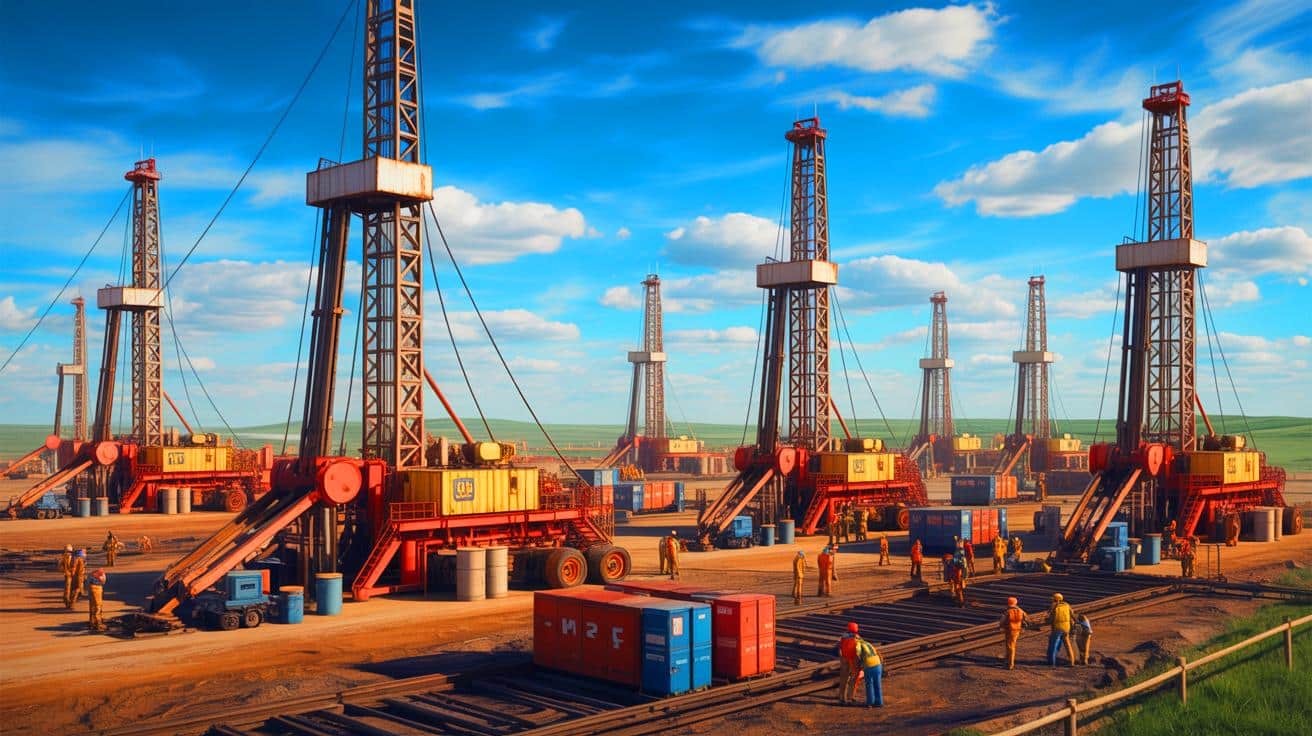
The U.S. energy sector has once again shown signs of expansion as drilling activity surges, marking the fourth increase in five weeks. According to the latest report from Baker Hughes, the number of active drilling rigs rose to 549, indicating a renewed push in oil and gas exploration. This uptick comes after a period of strategic restraint by energy firms, who had previously prioritized financial stability over production increases. The data presents a complex picture, suggesting that while immediate output may be on the rise, the long-term strategies of these firms remain cautious amidst fluctuating market conditions.
Resurgence in Drilling Activity
The recent increase in drilling rigs highlights a significant shift within the U.S. energy industry. Baker Hughes reported a net gain of five rigs this week, pushing the total to its highest level since late November. This resurgence is primarily driven by a rise in oil rigs, which alone increased by six, reaching a total of 413. In contrast, gas rigs saw a slight decline, dropping by one to 129. This pattern underscores the sector’s response to current market dynamics, where oil demand is showing signs of recovery.
Regions such as Louisiana and New Mexico have been pivotal in this trend. Louisiana’s rig count rose by four, reaching its highest point since March 2024. Similarly, New Mexico’s rig numbers increased by one, marking the highest count since September 2024. These geographical shifts reflect targeted investments in areas with promising resource potential, aligning with broader economic signals that suggest a cautious optimism in the energy market.
Economic Considerations and Strategic Shifts
The decision to increase drilling activity comes after a period of reduced output, driven by declining oil and gas prices over the past two years. In 2023, the rig count fell by 20%, followed by a further 5% decline in 2024. These reductions were part of a broader strategy by energy firms to prioritize shareholder returns and debt reduction rather than expanding production. However, the current uptick suggests a recalibration of priorities in response to changing market conditions.
Financial strategies have also evolved, with independent exploration and production companies indicating a planned 4% reduction in capital expenditures for 2025. This contrasts with previous years where spending was either flat or saw significant increases. These figures reflect a nuanced approach, balancing the need to maintain fiscal responsibility with the potential benefits of increased production.
Market Predictions and Production Projections
Despite forecasts of declining crude prices for a third consecutive year in 2025, the U.S. Energy Information Administration (EIA) projects an increase in crude output. The EIA anticipates production to rise from a record 13.2 million barrels per day (bpd) in 2024 to approximately 13.6 million bpd in 2025. This growth is attributed to strategic investments in drilling and production capabilities, despite market uncertainties.
On the natural gas front, a significant increase in spot gas prices is expected to drive higher drilling activity. After a 14% price reduction in 2024, the EIA forecasts a 58% increase in 2025. This price shift is likely to encourage producers to enhance output, reversing the trend of reduced production observed during the COVID-19 pandemic. Gas output is predicted to rise to 107.7 billion cubic feet per day (bcfd) in 2025, continuing the upward trajectory from previous years.
US Natural Gas Prices Surge to 35-Month High as Cold Snap Drives Demand and Boosts LNG Exports
Implications for the Energy Sector
The current trends in drilling activity and production forecasts present both opportunities and challenges for the U.S. energy sector. The increase in rig counts suggests a positive outlook for short-term production capabilities, which may bolster the economic prospects of energy-producing regions. However, the strategic decisions by firms to curb capital expenditures highlight ongoing caution amid volatile market conditions.
The sector’s ability to adapt to these fluctuations will be crucial in determining its future trajectory. As energy companies navigate these complexities, their strategies will need to balance immediate production goals with long-term sustainability and financial health. The evolving landscape presents a critical juncture for stakeholders to assess their roles in shaping the future of energy production.
As the U.S. energy industry continues to navigate these shifting dynamics, the decisions made today will have lasting impacts on the sector’s future. How will energy firms balance the need for increased production with financial prudence and sustainable practices in the coming years?

Interesting read! How will this trend impact global oil prices? 🤔
Interesting article, but I wonder if this drilling increase is sustainable in the long run?
More rigs? What about environmental concerns? 🌍
Does this mean gas prices are going to drop soon? 🤔
Is this really a sustainable move for the energy sector?
Thanks for the analysis! Always good to see a breakdown of the numbers. 📊
Such an insightful article, thank you! 🙏
I’m skeptical. Are these projected increases realistic given the current global economic conditions?
Yay, more jobs for local communities! 🎉
Why do companies keep drilling when prices are falling? Seems counterintuitive. 🤷♂️
Why are gas rigs decreasing while oil rigs are increasing?
What a boom in activity! Must be good for local economies.
Good to hear about job creation in local communities. Hopefully, this trend continues!
Great analysis, but how does this affect renewable energy initiatives?
Isn’t this just going to lead to more environmental issues? 🌍
More rigs but less spending on capital expenditures? 🤨