



| IN A NUTSHELL |
|
Canada has long been a nation rich in natural resources, yet it has struggled to fully capitalize on its potential as a global energy superpower. A recent agreement between Alberta and Ottawa marks a significant step toward changing that trajectory. This deal, which aims to unlock vast economic opportunities, has garnered widespread support among Canadians. As the world looks to address energy security and environmental sustainability, Canada finds itself uniquely positioned to meet these challenges. With increasing global demand for oil and the need for responsible energy production, this agreement could be a turning point for the country and its role in the international energy landscape.
Alberta-Ottawa Agreement: A National Imperative
The recent energy agreement between Alberta and Ottawa is not just a regional initiative but a national imperative. With global demand for oil on the rise, Canada must take strategic steps to leverage its abundant natural resources. The agreement outlines a comprehensive plan to achieve this, focusing on building infrastructure, expanding markets, and enhancing energy security. This initiative is crucial, given Canada’s fiscal challenges and the need to generate revenue to fund social programs, national defense, and other priorities.
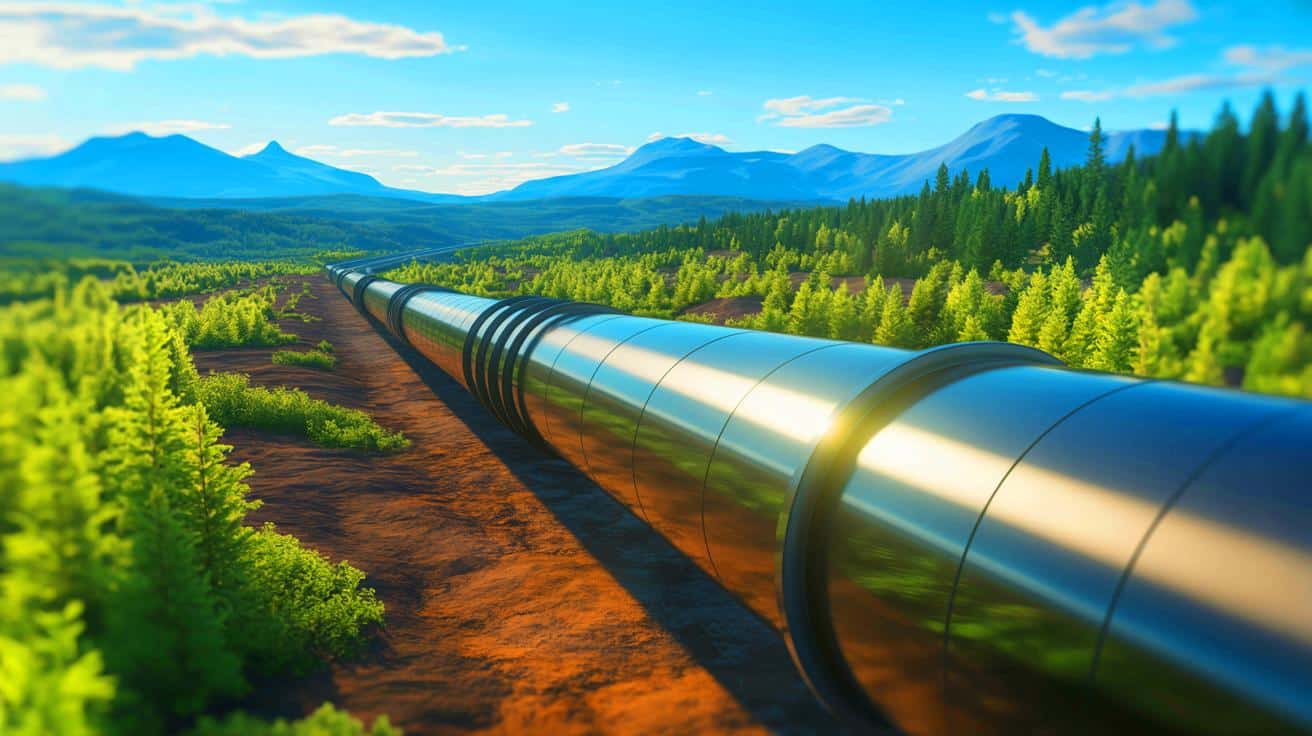
One of the agreement’s key elements is the construction of a new bitumen pipeline to Asian markets. This project is expected to deliver significant economic benefits, creating jobs and generating revenue for both Alberta and the broader Canadian economy. The pipeline aims to diversify Canada’s energy markets, reducing reliance on a single customer and opening up new opportunities for trade and investment. Indigenous co-ownership of the pipeline also promises substantial economic benefits for communities along its route, fostering long-term prosperity and collaboration.
Economic Opportunities and Environmental Responsibilities
Canada’s path to becoming an energy superpower is intertwined with its responsibility to the environment. The Alberta-Ottawa agreement takes a balanced approach, recognizing the need to increase oil and gas production while also reducing emissions. By removing the oil and gas emissions cap, the agreement allows energy producers to grow and thrive, potentially leading to increased investment in AI data centers and other technology-driven sectors.
A cornerstone of this environmental strategy is the development of carbon capture, utilization, and storage (CCUS) infrastructure. The agreement sets the stage for Alberta to become a leader in emissions-reduction technologies, positioning its heavy oil as the lowest intensity barrel on the market. This initiative aims to displace millions of barrels of heavier-emitting fuels globally, contributing to a cleaner energy future. By sending a clear message to investors, Canada is not only a leader in oil and gas but also in innovation and sustainability.
Global Energy Demand and Canada’s Strategic Role
As countries like Korea, Japan, India, Taiwan, and China continue to seek reliable energy sources, Canada is well-positioned to meet these needs. The Alberta-Ottawa agreement represents a strategic move to capitalize on this demand, emphasizing Canada’s role in global energy security. With proven reserves and a stable geopolitical environment, Canada’s energy sector offers significant advantages over other oil-producing nations.
The agreement’s focus on expanding trade across oceans and continents signifies Canada’s intentions to become a dominant player in the global energy market. By investing in infrastructure and innovation, Canada is poised to supply energy for decades to come. This strategic positioning not only benefits the Canadian economy but also strengthens its geopolitical influence, solidifying its reputation as a reliable and responsible energy partner.
U.S. Oil Companies Revive Interest in Canada, Sparking New Energy Deals and Economic Opportunities
Challenges and the Road Ahead
While the Alberta-Ottawa agreement marks a significant milestone, it is only the first step in a long journey toward becoming a global energy superpower. Building trust and collaboration between federal and provincial governments will be crucial to the success of this initiative. As Prime Minister Mark Carney has indicated willingness to work with Alberta’s leadership, a collaborative approach will be essential to achieving the shared goal of energy dominance.
Despite the promising outlook, the path forward is fraught with challenges. Ensuring environmental sustainability, securing investment, and maintaining public support are just a few of the hurdles that lie ahead. However, the agreement provides a framework for addressing these issues, offering a roadmap for Canada’s energy future. As the nation moves forward, the focus will be on balancing economic growth with environmental stewardship, ensuring that the benefits of energy development are shared by all Canadians.
As Canada takes its first steps toward becoming a global energy leader, the question remains: Can the nation successfully balance economic growth with environmental responsibility, and will this agreement truly unlock the potential for prosperity and innovation? As the world watches, Canada has the opportunity to redefine its role on the global stage and set a precedent for responsible energy development.


Great article! But how does Canada plan to tackle the environmental concerns while expanding its energy sector? 🌱
Wow, Canada’s really making moves! Do you think this will finally put them on the map as an energy superpower?
Interesting read. I’m curious, how involved are the Indigenous communities in this agreement?
I’m not sold on the bitumen pipeline. What about the environmental impact? 🌱
Finally, a step in the right direction for Canada! 🇨🇦
Great article! Thanks for shedding light on Canada’s energy potential. 🇨🇦
This sounds promising, but what about the long-term environmental impact?
Are we sure this is the best way to become a superpower? 😕
Is this agreement really going to benefit Indigenous communities, or is it just another empty promise?
Thanks for the detailed breakdown. I’m still skeptical about the pipeline, though.
Canada as an energy superpower? I’ll believe it when I see it! 😂
Wow, didn’t expect Canada to make such a bold move! 🚀