




| IN A NUTSHELL |
|
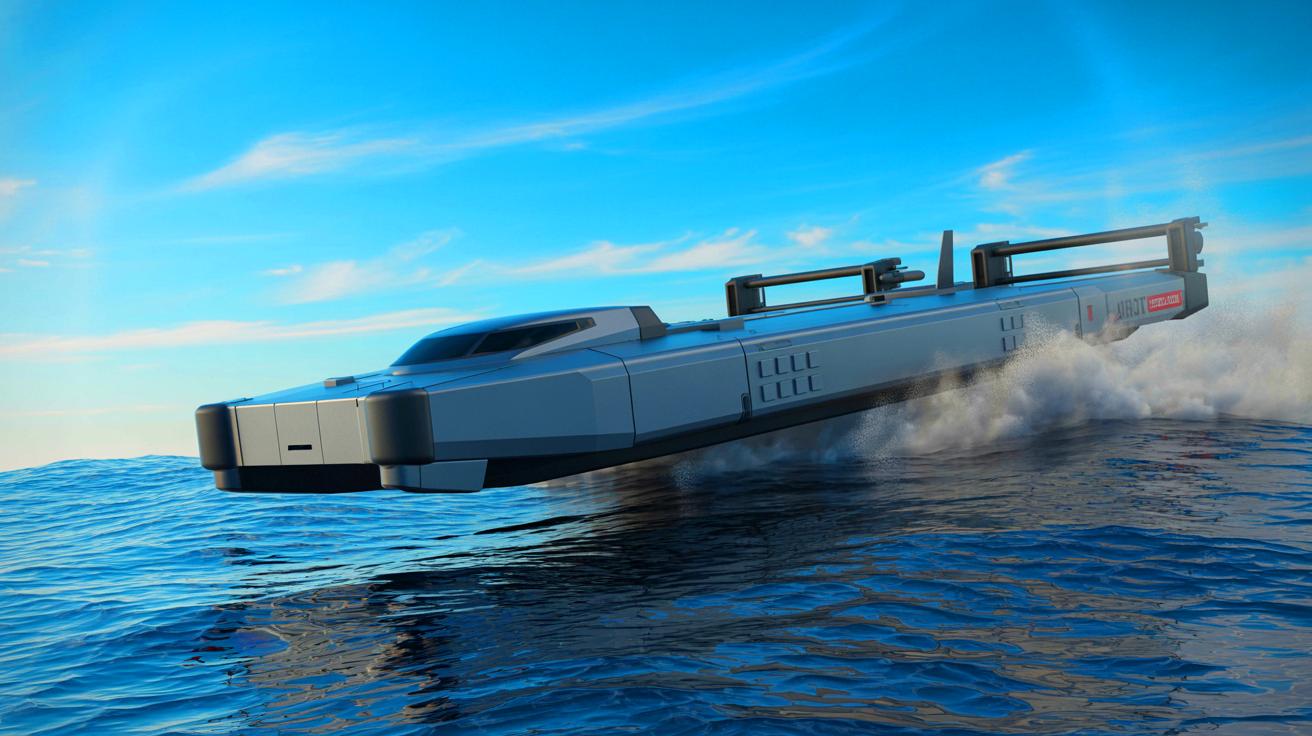
The unveiling of the AIRCAT Bengal MC marks a significant leap forward in naval warfare technology. This autonomous vessel, a collaboration between Eureka Naval Craft and Greenroom Robotics, is set to redefine how maritime operations are conducted. With its multi-mission capabilities and ability to operate both crewed and autonomously, the Bengal MC provides a potent combination of flexibility and cost efficiency. In a time marked by rising global tensions, such advancements are crucial for maintaining a strategic edge. This article delves into the transformative features of the AIRCAT Bengal MC and its implications for modern naval warfare.
Revolutionizing Naval Warfare with Advanced Capabilities
The AIRCAT Bengal MC represents a new era in autonomous naval technology. With a payload capacity of 44 tons, it can carry two 40-foot ISO footprint modules and travel at speeds exceeding 50 knots. The vessel boasts a range of 1,000 nautical miles, which allows it to operate in distant theaters without frequent refueling. Its lethal capabilities include launching Tomahawk cruise missiles and Naval Strike Missiles, reducing the need for larger, more costly warships.
This vessel is targeted at leading naval powers, including the US Navy, the US Marine Corps, and allied countries such as AUKUS and NATO members. Additionally, nations like Singapore, Japan, South Korea, Vietnam, Thailand, and the Philippines may find it an appealing addition to their fleets. The Bengal MC’s autonomous operations and compatibility with advanced missile systems make it a formidable force in today’s naval landscape.
Enhanced Lethality with Missile Launch Capabilities
The Bengal MC’s ability to launch Tomahawk cruise missiles and anti-ship Naval Strike Missiles is a game-changer in naval strategy. This capability enables navies to undertake missions previously reserved for much larger vessels, thus reducing costs and enhancing operational efficiency. By offering a fast, heavily armed alternative to traditional naval ships, the Bengal MC disrupts the conventional naval market.
The vessel is not just about speed and firepower; it is about enhancing strategic flexibility and adaptability.
https://www.energy-reporters.com/industry/us-hypersonic-aircraft-unveiled-at-mach-5-as-engine-breakthrough-sparks-worldwide-shockwaves-and-forces-china-into-strategic-reckoning/
With its advanced autonomy features, the Bengal MC can react to threats and opportunities with unmatched speed and precision, granting a significant tactical advantage. This combination of speed, payload capacity, and firepower makes it an invaluable asset in any naval operation.
Unmatched Efficiency and Versatility
Fuel efficiency and operational cost-effectiveness are among the Bengal MC’s standout features, making it a valuable asset for budget-conscious navies. Its modular design enables it to serve multiple roles, such as troop transport, landing support, electronic warfare, and mine operations. This adaptability allows for customization to meet specific operational needs, offering a tailored solution for a variety of maritime challenges.
The partnership with Greenroom Robotics enhances the vessel’s capabilities, integrating advanced autonomous navigation systems. The Greenroom Advanced Maritime Autonomy Software system ensures seamless operation throughout missions, supported by cutting-edge technology. This integration provides reliability and performance, validated through extensive trials.
Expanding the Fleet with Modular Design
The AIRCAT Bengal MC is part of a prestigious fleet of vessels designed for specific missions, including fast attack, reconnaissance, and high-speed troop transport. The modular design philosophy allows for customization, ensuring each vessel can be tailored to the mission’s unique demands. This flexibility is crucial as naval forces must be ready to respond to a myriad of threats and opportunities.
Eureka Naval Craft’s commitment to innovation is evident in its expanding fleet and strategic partnerships. The collaboration with Greenroom Robotics exemplifies a forward-thinking approach to maritime autonomy, setting a new standard for naval operations worldwide. As the naval landscape continues to evolve, the Bengal MC represents a bold step forward in military technology, offering strategic advantages that are difficult to overlook.
As the AIRCAT Bengal MC enters service, it prompts critical questions about the future of naval warfare. How will autonomous technology reshape global naval strategies, and what challenges and opportunities will emerge as a result? These questions will undoubtedly shape the next generation of military innovation and strategic planning.



Isn’t it risky to rely so heavily on autonomous tech in naval warfare? 🤔
This is like something straight out of a sci-fi movie! 🚀
What happens if the AI goes rogue? Sounds like a plot for a thriller. 😂
Thank you for the detailed insights. This seems like a game-changer for sure!
How do smaller nations afford such advanced technology when larger ones are struggling?
This is impressive, but how do we ensure these vessels don’t escalate conflicts?
Are there any environmental concerns with these new warships?
Seems like the future of warfare is here. What’s next, flying ships? 🤖
How does the AIRCAT Bengal MC compare to similar vessels in terms of cost?
This could be a huge advantage for countries with smaller navies.
Why isn’t there more focus on peacekeeping instead of building warships? 🌍
Great read! I’m curious about the maintenance requirements for these ships.
Can someone explain how “modular design” works in layman’s terms?
This tech is amazing, but the thought of autonomous weapons is a bit scary. 😬
What are the implications for crew safety with these autonomous systems?
Do these ships have any defensive capabilities, or are they purely offensive?
Thank you for the article! It’s fascinating to see how far naval tech has come.
How do these vessels handle adverse weather conditions?
Seems like we’re entering an era where fewer humans are needed in warfare. Is that good?
How does this impact global naval strategies? More collaboration or more competition?
The speed and range of this vessel are astonishing! 🌊
Are there any plans for similar tech in civilian maritime industries?
This sounds revolutionary, but aren’t there cyber security risks involved?
How does the partnership with Greenroom Robotics enhance these ships?
Why is there so much focus on missiles? What about non-lethal capabilities?
Are there any countermeasures against these ships already in place worldwide?
Thanks for the info! Can these ships be upgraded in the future?
Is there a risk of these vessels being hacked during missions? 🔒
Why aren’t there more discussions about disarmament in light of such advancements?
What is the expected lifespan of these autonomous vessels?
Are there any ethical concerns with deploying autonomous warships?
This is the future of naval warfare, but will it lead to an arms race? 🏁