




| IN A NUTSHELL |
|
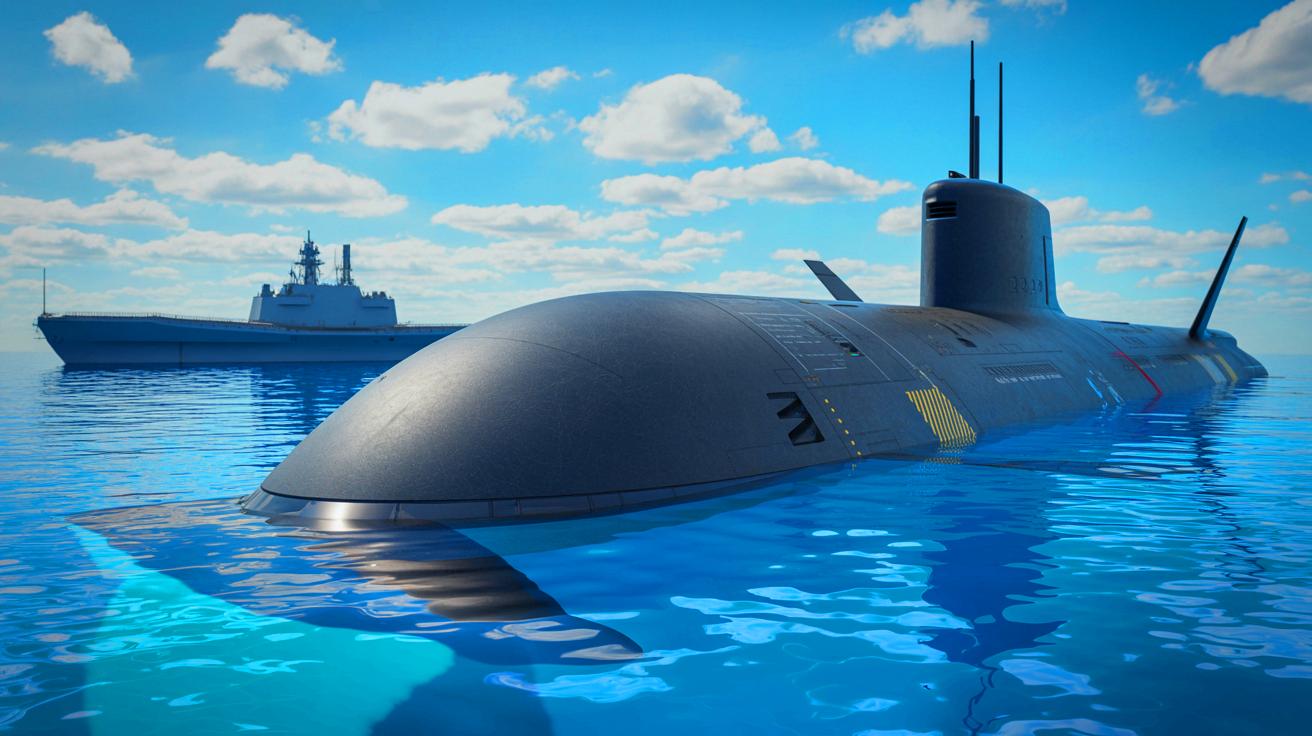
The unveiling and testing of the Excalibur, a 40-foot-long Extra-Large Uncrewed Underwater Vehicle (XLUUV), marks a significant milestone in naval technology and international defense collaboration. This innovative submarine drone, developed under the AUKUS partnership between the US, UK, and Australia, is designed for non-combat purposes but plays a crucial role in understanding and developing tactics for integrating uncrewed systems into naval operations. With its ability to be controlled remotely from over 10,000 miles away, Excalibur demonstrates the potential for future military operations that leverage cutting-edge technology and international cooperation.
Testing the Waters of International Collaboration
The Excalibur trial is part of the AUKUS Pillar II “Maritime Big Play” series, a collaborative effort by the US, UK, and Australia to explore the use of robotics and autonomous systems in maritime settings. This exercise underscores the commitment of these nations to enhance their naval capabilities through technological innovation and strategic partnerships. During the demonstration at Exercise Talisman Sabre, the Excalibur was remotely controlled from a center in Australia, despite being submerged in UK waters.
This event marked a historic moment as it was the first instance of the UK and Australia demonstrating the interchangeability of XLUUVs within a unified fighting force. Such exercises are crucial for the participating nations to refine their strategies and operational capabilities. Additionally, the collaboration extended beyond the AUKUS nations, involving Japan to improve underwater acoustic communications, further emphasizing the importance of global partnerships in addressing security challenges.
The Excalibur: A Technological Marvel
Unveiled in a naming ceremony at HMNB Devonport, the Excalibur represents a significant leap forward in naval technology. Developed under the Project Cetus initiative, this submarine drone is the largest uncrewed underwater platform trialed by the UK fleet. Built by MSubs, a company known for its expertise in autonomous submersibles, the Excalibur measures 39 feet in length and has a mission endurance of up to 1,000 miles. It is capable of diving deeper than the Royal Navy’s manned submarines.
Designed not for combat but as a test platform, the Excalibur will aid in developing tactics and technical requirements for future uncrewed systems. With a modular design and open architecture, it can support a range of missions, including intelligence, surveillance, and reconnaissance (ISR), as well as stealth operations in contested maritime environments. Rear Admiral James Parkin emphasized the vessel’s importance, stating, “In our journey towards autonomy and mass, it is vital we learn by doing, and Excalibur will be our mechanism for understanding the complexity and challenges of operating a future team of crewed and uncrewed systems underwater.”
Pioneering Long-Distance Control
The ability to control Excalibur from over 10,000 miles away is a testament to the advancements in remote operation technology. Commodore Marcus Rose highlighted the significance of the upcoming trials, which will accelerate the Royal Navy’s understanding of operating large uncrewed underwater vessels. By leveraging lessons from existing programs, such as the Mine Hunting Capability, the Royal Navy aims to move towards a mixed-force construct.
Over the next two years, Excalibur will undergo rigorous sea trials as part of the Fleet Experimentation Squadron, under the Disruptive Capabilities and Technologies Office. This initiative is crucial for testing disruptive technologies that could redefine future naval force compositions. Named after the legendary sword of King Arthur and a Cold War-era experimental submarine, Excalibur embodies a blend of heritage and innovation, symbolizing the Royal Navy’s commitment to advancing its capabilities in autonomous warfare.
The Future of Autonomous Undersea Warfare
The development of the Excalibur comes at a time when global powers are racing to enhance their undersea capabilities. Under AUKUS Pillar II, which focuses on advanced technologies like artificial intelligence and quantum systems, uncrewed underwater vehicles are seen as central to future deterrence and warfare strategies. The Royal Navy is now among the growing list of navies experimenting with extra-large uncrewed platforms.
The US Navy is testing its Orca XLUUV, while Australia is advancing its Ghost Shark program.
Analysts believe these platforms have the potential to extend the reach of submarine fleets, conduct persistent surveillance, and operate as decoys or strike assets in high-risk environments. Although Excalibur currently serves as a demonstrator rather than a deployable weapon, its ability to integrate with international allied forces highlights the rapid progress being made in autonomous undersea warfare.
The testing and development of the Excalibur XLUUV represent a significant step forward in naval technology and international defense collaboration. As nations continue to explore the potential of autonomous systems, questions remain about how these advancements will shape the future of military operations. How will the integration of such technologies influence global security dynamics and the strategies of modern navies?