



| IN A NUTSHELL |
|
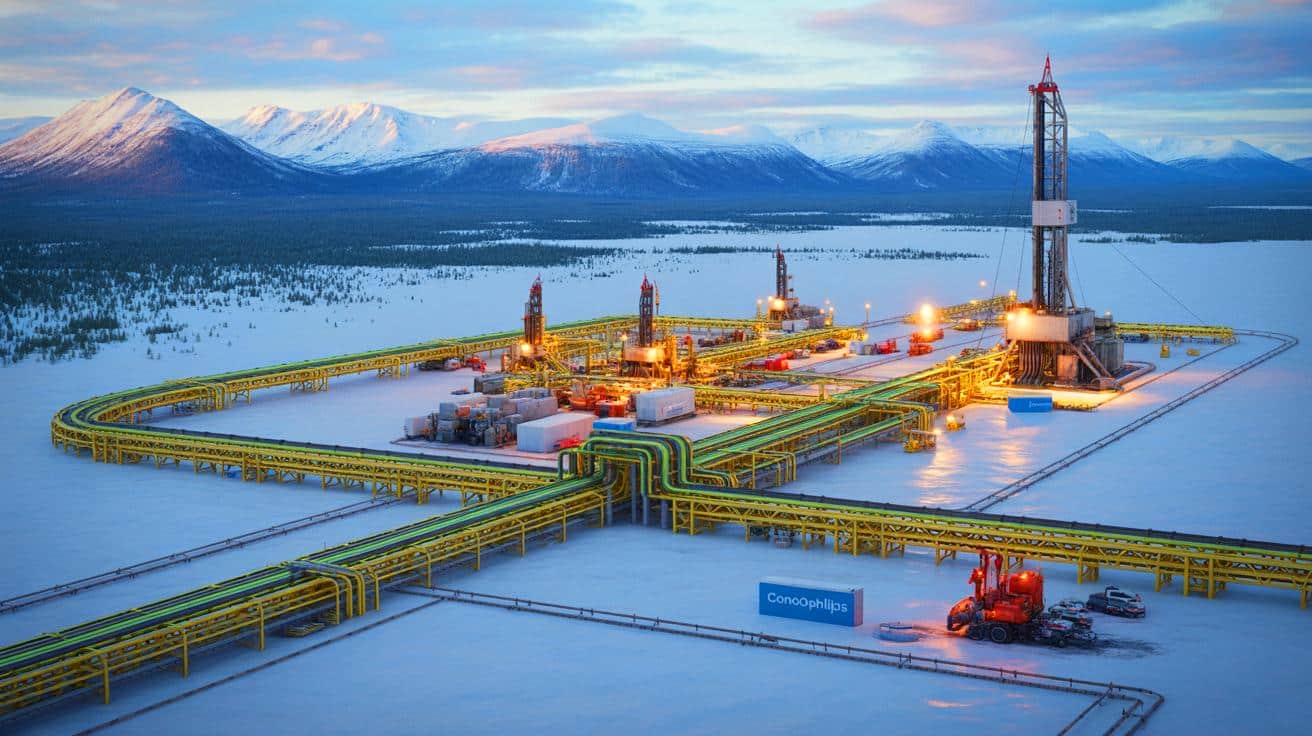
In a significant development for the energy sector, ConocoPhillips has announced an increase in its projected costs for the Willow oil and natural gas project located in Alaska. Initially estimated at $7 to $7.5 billion, the Houston-based company now anticipates spending up to $9 billion. This adjustment reflects the broader economic climate marked by rising inflation and escalating costs. Despite these challenges, ConocoPhillips remains committed to advancing the project, which is expected to produce approximately 600 million barrels of crude over the next three decades. The project aligns with broader energy strategies, focusing on enhancing domestic oil production.
Inflation’s Impact on Energy Projects
ConocoPhillips’ decision to revise its spending estimates for the Willow project underscores the pervasive impact of inflation on large-scale energy ventures. The company cited approximately $700 million in general inflationary expenses contributing significantly to the revised budget. This adjustment reflects a broader trend across the industry as companies grapple with rising material and labor costs. Energy projects, particularly those in remote or challenging environments like Alaska’s North Slope, are especially susceptible to fluctuations in global economic conditions. These financial pressures necessitate strategic adjustments to ensure project viability and profitability.
Such cost increases pose challenges not only to companies like ConocoPhillips but also to policymakers and stakeholders who support domestic energy production. The Willow project, situated within the broader framework of U.S. energy policy, highlights the tension between advancing domestic resources and managing economic constraints. As companies navigate these hurdles, the focus remains on balancing financial sustainability with operational goals.
Europe’s Economic Rebound Stalls as U.S. Tariffs Cast a Shadow
Strategic Importance of the Willow Project
The Willow project represents a crucial component of ConocoPhillips’ strategy to diversify its energy portfolio. As shale basins in Texas age, the company is pivoting towards untapped resources in Alaska. This strategic shift aligns with broader national energy goals, particularly those emphasized during President Donald Trump’s administration, which advocated for increased domestic oil production. The project’s potential to yield 600 million barrels of crude over 30 years reinforces its importance.
Beyond its economic implications, the Willow project serves as a bellwether for the energy industry’s future direction. As companies seek to balance traditional oil production with emerging energy technologies, projects like Willow offer insights into the evolving landscape. The project’s success could influence future investments and development strategies within the sector.
Market Reactions and Financial Implications
Following the announcement of increased project costs, ConocoPhillips experienced a slight uptick in its stock value, rising 0.8% in pre-market trading. This reaction suggests investor confidence in the company’s ability to manage and execute large-scale projects despite financial adjustments. The rise in stock value may also reflect positive market sentiment driven by ConocoPhillips’ strong third-quarter earnings, which surpassed analysts’ expectations.
Financially, the Willow project represents a significant investment for ConocoPhillips. The increased budget underscores the company’s commitment to maintaining its competitive edge within the industry. As the project progresses towards its expected production start in early 2029, financial analysts will continue to monitor its impact on ConocoPhillips’ overall financial health and market position.
Future Outlook and Industry Implications
Looking ahead, the Willow project presents both opportunities and challenges for ConocoPhillips and the broader energy industry. As the company navigates rising costs and economic uncertainties, the project’s success will depend on effective management and strategic planning. Its development will likely influence future energy projects, particularly those in remote or environmentally sensitive areas.
The Willow project also prompts broader questions about the future of energy production in the United States. As the industry evolves, balancing traditional oil extraction with renewable energy sources becomes increasingly critical. How companies like ConocoPhillips adapt to these changes will shape the future landscape of energy production and consumption.
As ConocoPhillips advances the Willow project amidst rising costs, the energy industry faces a pivotal moment. The company’s strategic decisions will likely influence future investments and project development. As the industry balances traditional oil production with emerging technologies, what role will projects like Willow play in shaping the future of energy?



Wow, $9 billion! 🤑 That’s a lot of zeroes. How does inflation hit these projects so hard?
Wow, $9 billion! That’s quite an expensive endeavor. Is it really worth it? 🤔
Why is ConocoPhillips investing so much in oil when renewables are the future?
Great article! Thanks for the insights into the energy sector. 🙌
💰 $700 million just for inflation? That’s a lot of dough rising! 🥖
Is there any government support for this project, considering its strategic importance?
What impact will this cost increase have on local communities in Alaska?
Great job, ConocoPhillips! Keep driving domestic energy production. 🇺🇸
Why not invest in renewable energy instead? 🌱
How does this cost increase affect the projected timeline for the Willow project?
Hope they have a plan B if the oil market crashes. 🌍
9 billion dollars?? That’s a huge jump from the initial estimate. 😮
Thank you for the detailed update. It’s crucial to understand these economic impacts.
Will the cost hike affect fuel prices? We don’t need more inflation at the pump! ⛽
How does ConocoPhillips justify these costs to its shareholders? 📈
Imagine how many solar panels $9 billion could buy! ☀️