




| IN A NUTSHELL |
|
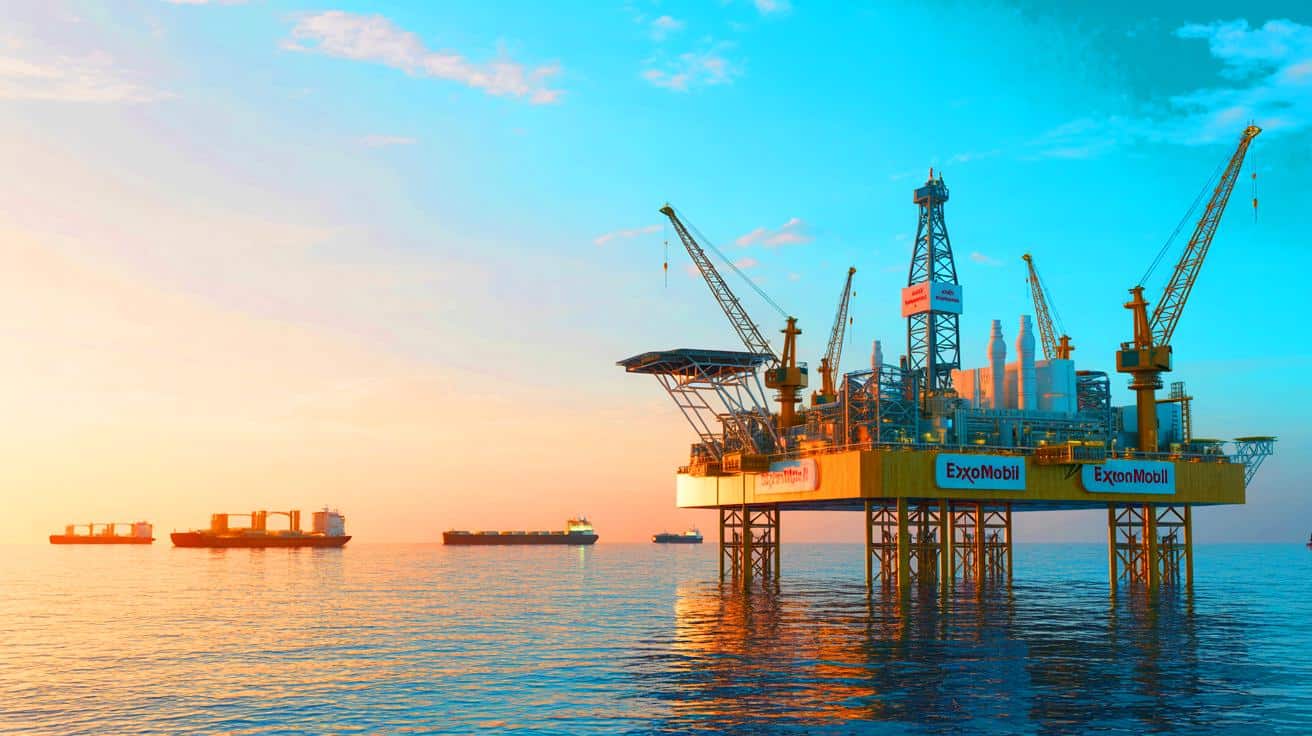
Abu Dhabi’s Upper Zakum offshore oil field is set to expand its production capacity sooner than anticipated, according to Exxon Mobil Corp. CEO Darren Woods. This development is significant for the United Arab Emirates (UAE), as it amplifies its influence within the oil market. The project, a collaboration between Exxon, Abu Dhabi’s government-owned producer, and Japan’s Inpex Corp., is currently capable of producing 1 million barrels a day and aims to increase this to 1.5 million by 2030. The UAE’s strategic plans and developments in the energy sector reflect a broader regional push to capitalize on global energy demand.
Upper Zakum’s Accelerated Expansion
Upper Zakum is one of the largest oil fields in the world and is crucial to Abu Dhabi’s oil production strategy. Exxon Mobil Corp., in partnership with Abu Dhabi’s national oil company and Japan’s Inpex Corp., is leading the charge to increase the field’s production capacity. Initially, the goal was to elevate production from 1 million to 1.5 million barrels per day by 2030. However, Exxon CEO Darren Woods recently suggested that this target could be achieved ahead of schedule. This potential advancement stems from the dedication and efficiency of the teams involved in the project.
Reaching this milestone sooner would not only boost the UAE’s oil output but also enhance its standing in the global oil market. The increased capacity could significantly impact the country’s economy, further solidifying its role as a key player in global energy. The project underscores the importance of strategic partnerships and technological advancements in achieving ambitious energy goals.
OPEC+ Dynamics and Production Caps
The expansion of Upper Zakum’s capacity is happening against the backdrop of OPEC+, an alliance of oil-producing countries that includes the UAE. OPEC+ has historically placed output limits on its members to stabilize oil prices. Currently, the UAE’s production is capped at approximately 3.4 million barrels a day. Although there are gradual easings of these restrictions, they still impact the full utilization of the country’s oil resources, some of which require enormous investments to develop.
The UAE’s ambition to increase its overall oil production capacity to 5 million barrels a day by 2027 presents a challenge within the OPEC+ framework. However, this ambition is essential for the UAE to maintain its competitive edge and ensure long-term economic growth. Navigating these dynamics requires diplomatic agility and strategic planning to align national goals with international agreements.
Oil Glut Sparks Price Moderation, Offering Relief to Consumers Amid Recent Gains, Says Birol
Investment Opportunities and Technological Advancements
Exxon Mobil’s plans extend beyond Abu Dhabi. The company is also exploring opportunities in Iraq, particularly around the Majnoon oil field. This exploration is part of a broader strategy to identify and invest in promising oil and natural gas projects. According to Darren Woods, the company’s robust pipeline of investment opportunities will support growth beyond 2030.
Middle Eastern countries, including the UAE, are increasingly investing in new oil wells and expanding natural gas production. These efforts aim to boost state revenues and meet escalating global energy demands. At a recent conference in Abu Dhabi, industry leaders emphasized the need for substantial investments not just in production, but also in infrastructure, technology, and data centers. These investments are crucial for sustaining production levels and ensuring the region remains at the forefront of the global energy landscape.
The Broader Implications for Global Energy Markets
The developments at Upper Zakum and similar projects in the Middle East have significant implications for global energy markets. As countries like the UAE ramp up production, they contribute to the global supply of oil, which can impact prices and influence energy policies worldwide. These projects demonstrate the ongoing importance of oil, even as many countries pursue renewable energy sources.
The strategic partnerships and investments highlighted in Abu Dhabi’s energy sector reflect a broader trend where oil-producing nations are balancing traditional energy production with emerging technologies. This balance is essential for meeting current energy needs while preparing for a more sustainable future. The success of these projects could serve as a model for other countries looking to optimize their energy resources.
As the UAE and its partners continue to push boundaries in oil production, the question arises: How will these advancements shape the global energy landscape, and what role will they play in the transition to a more sustainable future?

Wow, if they meet their target early, maybe gas prices will finally go down! 🤞
Wow, hitting the target early! Is this a game-changer for the oil market? 🤔
Isn’t increasing oil production contradictory to global sustainability goals?
Great article, but how will this impact renewable energy initiatives? 🌱
Can someone explain how this affects OPEC+ dynamics? I’m a bit lost here.
Exxon’s making moves! Hope it doesn’t mean higher gas prices for us. 😅
Are these technological advancements environmentally friendly? 🌱
Fantastic news for the UAE! But what about the rest of the world?
Can someone explain how this affects the OPEC+ dynamics? I’m a bit lost. 🤷
How will this impact renewable energy initiatives? 🤔
It’s impressive, but isn’t there a risk of over-reliance on oil? 🌍
Exxon doing big things! Wonder if it’s enough to shift the energy game globally.
Isn’t this just another push to delay the inevitable shift to renewables?
Interesting read, but I wonder about the environmental impacts of increased production.
Thank you for the update! Very informative article. 🙌