



| IN A NUTSHELL |
|
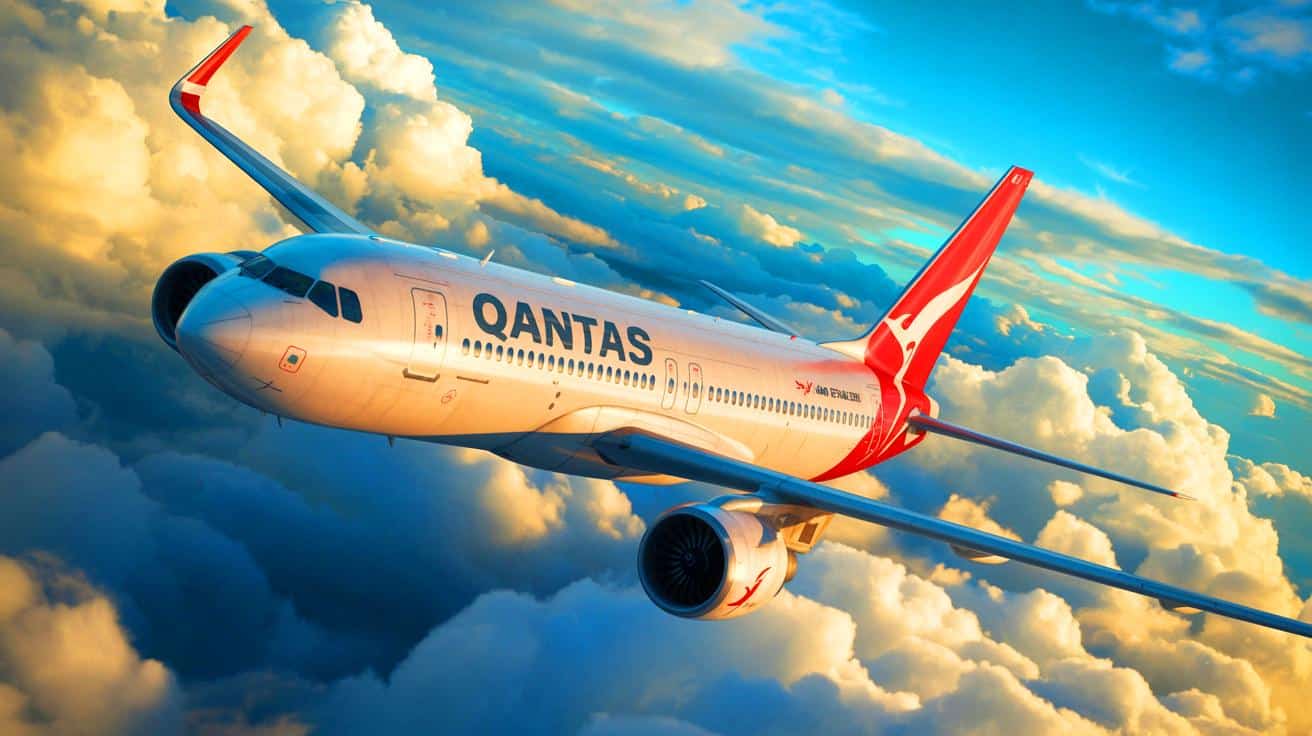
Air travel often conjures images of serene skies and smooth journeys. However, incidents like the sudden descent of Qantas flight QF1889 remind us that in-flight issues, while unsettling, are part and parcel of aviation. On that particular flight, a pressurization warning prompted a rapid descent, unsettling passengers but ultimately resulting in a safe landing. Such occurrences underscore the importance of rigorous pilot training, detailed checklists, and aircraft redundancies that ensure safety despite technical glitches. This article explores various in-flight technical issues, how they manifest, and the measures pilots take to resolve them, highlighting the robust safety mechanisms inherent in modern aviation.
Air-Conditioning and Pressurization Hiccups
At cruising altitudes, typically around 36,000 feet, aircraft cabins maintain a “cabin altitude” of approximately 8,000 feet. This is achieved by using engine air that is cooled through air conditioning systems. This artificial pressure allows passengers to breathe comfortably, despite the -67°F temperatures and lack of breathable air outside. However, when the system malfunctions, it’s treated as a potential pressurization issue.
Passengers might experience a rapid, controlled descent, the sensation of ears popping, and sometimes, the deployment of oxygen masks—though these are typically only needed if cabin altitude rises above 14,000 feet. In the event of a pressurization issue, pilots don oxygen masks, declare an emergency, and execute an emergency descent to around 10,000 feet. This is generally followed by a diversion or return to the nearest airport, ensuring the safety of everyone on board.
Most Feared: Engine Failures
Twin-engine airliners are designed to continue flying safely even if one engine fails. While pilots regularly rehearse one-engine failures in simulators, dual failures are exceedingly rare. The “Miracle on the Hudson” in 2009, where a bird strike caused both engines to fail, is a notable example. Despite the odds, the plane landed safely on the Hudson River, highlighting the effectiveness of pilot training and quick decision-making under pressure.
In the case of an engine failure, passengers might hear a loud bang, feel vibrations, or notice a sudden quiet. These events often result in a turn-back and a landing with emergency services on standby. Once alerted by the warning system, pilots identify the affected engine and follow the checklist, which typically involves shutting down the problematic engine and descending to a safer altitude. This protocol ensures that even in challenging situations, aircraft and passengers remain safe.
Hydraulic Trouble and Flight Controls
The control surfaces of an aircraft, such as ailerons, rely on hydraulic or electric systems. If one system fails, the aircraft remains flyable due to redundancy. For instance, if the left wing aileron stops functioning, the right wing aileron can still control turns. Pilots use specific checklists to adapt to such issues, adjusting speeds, distances, and landing configurations to ensure a safe return to the ground.
Passengers may notice a longer hold in the air while the crew troubleshoots the problem, followed by a return to the departure airport or a faster-than-normal landing. In July, a Qantas flight to Melbourne made an emergency landing due to a hydraulic issue, underscoring the importance of these protocols. Pilots meticulously follow checklists and may consult with maintenance engineers to address the situation effectively.
Landing Gear and Brake System Drama
Airliners feature retractable landing gears, which are tucked into the aircraft during flight. These gears and their accompanying brakes are crucial for reducing speed after landing. However, technical issues can sometimes prevent the landing gear from extending or retracting properly, or reduce braking effectiveness.
In such cases, passengers might experience a precautionary return to the airport, cabin preparation for a potential forced landing, or a “brace for impact” instruction. While these measures can be alarming, they are precautionary steps to ensure safety. Pilots follow extensive checklists, and if required, land on the longest available runway or even on the belly in extreme cases. Redundancies in the system often allow for a safe landing despite the initial scare.
The Big Picture of Aviation Safety
In-flight technical issues rarely escalate into disasters due to the aviation industry’s robust safety protocols. Pilots are trained to handle a vast array of scenarios, supported by detailed checklists and aircraft equipped with multiple redundancies. The chain of defense ensures that even when things go awry, they end, like QF1889, with all passengers safely on the ground.
While incidents may appear dramatic, they often highlight the effectiveness of safety systems designed to protect passengers and crew. This intricate safety net raises an intriguing question: How can the aviation industry continue to enhance these systems to further minimize risks and improve passenger confidence?




Wow, this article really highlights the amazing safety measures in place for air travel! ✈️
Wow, another reason to trust modern planes! 🚀
Was anyone hurt during the descent? Sounds intense!
Can someone explain why pressurization issues happen? I find this terrifying! 😨
Thank you for the reassurance, I’m flying next week and needed this! 😊
Great read! Thanks for the reassuring insights into aviation safety. 🙌
Why do these things happen so often with Qantas? 🤔
Is it just me or do articles like these make flying sound scarier than it is?
Great article, but how often do these emergencies actually occur?
Honestly, I’m impressed by the pilots’ training. Kudos to them! 🛬
Good to know pilots are well-trained for these situations!
How often do these emergency descents actually occur? Seems like a rare thing.
The article is really informative, but I’m still nervous about flying.