


| IN A NUTSHELL |
|
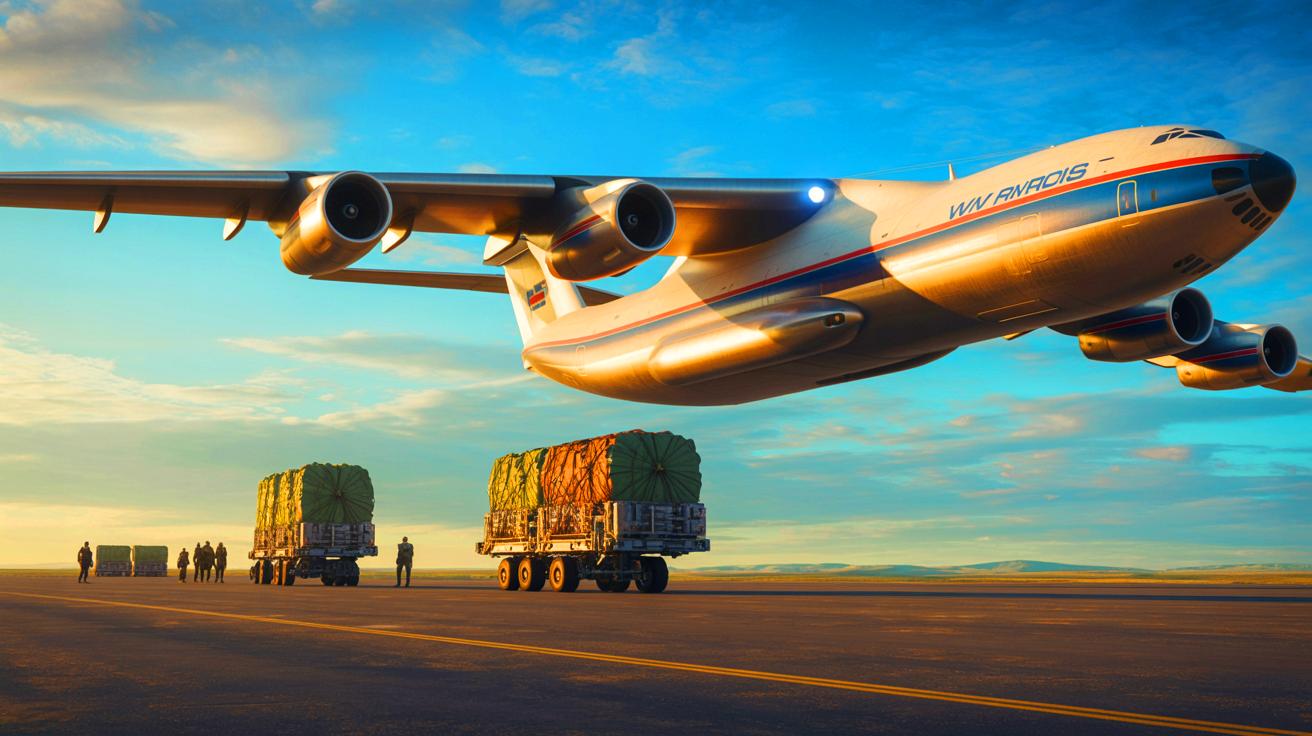
The United States military is exploring innovative avenues to enhance its logistical capabilities, and one potential solution lies in the skies. The Radia WindRunner, currently under construction in Colorado, is set to become the world’s largest aircraft. Originally intended to transport massive components for the wind energy sector, this colossal plane is now being considered for a pivotal role in military transportation. As the U.S. Department of Defense (DoD) collaborates with Radia, this partnership could redefine strategic military logistics, offering a glimpse into the future of airborne cargo transport.
The Ambitious Vision of Radia WindRunner
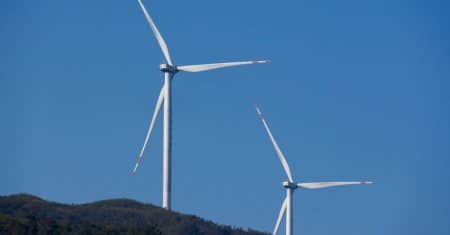
Radia, a pioneering startup based in Colorado, is constructing the WindRunner, which will eclipse the Boeing 747 with its cargo capacity. The WindRunner boasts a cargo volume 12 times that of the 747, making it a game-changer in the realm of transport. Initially conceived to cater to the wind energy industry, the WindRunner’s primary mission was to move enormous wind turbine blades, each over 328 feet in length. This ambitious vision has now expanded, positioning the aircraft as a versatile tool for various industries.
The aircraft’s colossal dimensions—356 feet in length with a wingspan of 261 feet—highlight its potential to revolutionize logistics. While the focus remains on wind turbines, the collaboration with the DoD opens new avenues for its utilization. Radia’s innovative approach underscores the importance of flexibility and adaptation in the aerospace industry. The WindRunner’s development marks a significant step toward meeting the growing demands of global transportation.
Strategic Collaboration with the Department of Defense
Radia’s partnership with the U.S. Department of Defense is a landmark move that signals a shift in military logistics. Through a Cooperative Research and Development Agreement (CRADA), the DoD aims to assess the WindRunner’s feasibility in supporting critical logistics and transportation needs. This collaboration will focus on evaluating the aircraft’s cargo capacity and operational effectiveness. The objective is to determine the plane’s suitability for transporting diverse DoD cargo, including space launch materials, oversized equipment, and humanitarian aid.
This strategic alliance reflects the military’s commitment to leveraging cutting-edge technology for operational efficiency. By exploring the potential of the WindRunner, the DoD is positioning itself at the forefront of innovation. The partnership exemplifies a forward-thinking approach, emphasizing adaptability and preparedness in addressing logistical challenges. The outcome of this collaboration could reshape military transportation strategies and enhance the nation’s defense capabilities.
Potential Impacts on Military Operations
The integration of the WindRunner into military operations presents numerous advantages. Its unprecedented cargo volume could streamline the transportation of vital resources, reducing logistical bottlenecks. The ability to carry oversized equipment and humanitarian aid efficiently can significantly impact military readiness and response times. The WindRunner’s capacity to support space launch operations further extends its utility, offering a versatile solution for diverse logistical needs.
Moreover, the collaboration with Radia underscores the importance of public-private partnerships in advancing military capabilities. By harnessing the expertise of the private sector, the DoD can enhance its operational efficiency and adaptability. This partnership sets a precedent for future collaborations, encouraging innovation and technological advancement in defense logistics. The potential impacts of the WindRunner are far-reaching, promising to enhance the military’s agility and effectiveness in various scenarios.
Challenges and Future Prospects
While the WindRunner’s potential is immense, several challenges must be addressed to realize its full capabilities. The feasibility of transporting diverse cargo types, including sensitive materials and equipment, requires thorough evaluation. Ensuring the aircraft’s operational reliability and safety is paramount, necessitating rigorous testing and validation. Additionally, the integration of such a massive plane into existing military infrastructure poses logistical challenges that must be overcome.
Looking ahead, the success of the WindRunner could pave the way for further innovations in military and commercial aviation. As Radia continues to develop the aircraft, the focus will be on refining its capabilities to meet evolving needs. The collaboration with the DoD serves as a catalyst for exploring new frontiers in transportation technology. The WindRunner’s journey is just beginning, and its impact on the future of logistics and transportation remains an exciting prospect with vast potential.
As the Radia WindRunner prepares to take to the skies, its potential role in transforming military logistics is a topic of great interest. The collaboration between Radia and the U.S. Department of Defense offers a glimpse into the future of transportation innovation. With its immense cargo capacity and versatility, the WindRunner could redefine logistical strategies across various sectors. How might the successful integration of such groundbreaking technology influence future military and commercial aviation developments?




Wow, the WindRunner sounds like something out of a sci-fi movie! 🚀
Can it really carry more than a Boeing 747? That’s insane!
I’m skeptical. How will they handle the logistics of such a massive aircraft?
Why does the military need something this big? 🤔
Thanks for the insight! This could revolutionize cargo transport.
Are there any environmental concerns with a plane this size?
This seems like overkill. Do we need a plane this large?
How soon until we see the WindRunner in action?
Great article! The future of military logistics looks exciting. 😊
What kind of materials will the WindRunner primarily transport?
Can the WindRunner be used for humanitarian missions?
This sounds ambitious. Hope they can pull it off!
How much does it cost to build a WindRunner?
Will commercial airlines eventually use this technology?
I’d love to see a video of this plane in action! 📹
Is it safe to fly something this massive over populated areas?
Can the WindRunner land at any airport, or are there special requirements?
How does the WindRunner compare to the Antonov An-225?
Thanks for the update on the WindRunner project. Can’t wait to see where it goes! 🌟
Will this aircraft impact the wind energy sector as initially planned?
Why was the WindRunner initially designed for wind turbine transport?
I’m not sure this is the best use of resources. 🤷
Are there any other countries developing similar aircraft?
How does this compare to space transportation technology?
Is Radia a public company? Can I invest in them?
Will the development of the WindRunner create jobs in Colorado?
Does the military have exclusive rights to the WindRunner?
What are the risks involved in deploying such a large aircraft?
This sounds like it could change the aviation industry!
Why hasn’t something like this been done before?
Are there any videos of the construction process of the WindRunner? 🎥
What does this mean for the future of global transportation?
Hope this doesn’t turn into another expensive military project with little return. 😬
How do they ensure the safety of the WindRunner during operations?
I’m excited to see if the WindRunner can meet its ambitious goals!
Will the WindRunner be able to transport live animals or humans?
Have the Chinese stolen the plans for this aircraft yet to reverse engineer it?
Have the Chinese stolen the plans for this aircraft yet to reverse engineer it?