


| IN A NUTSHELL |
|
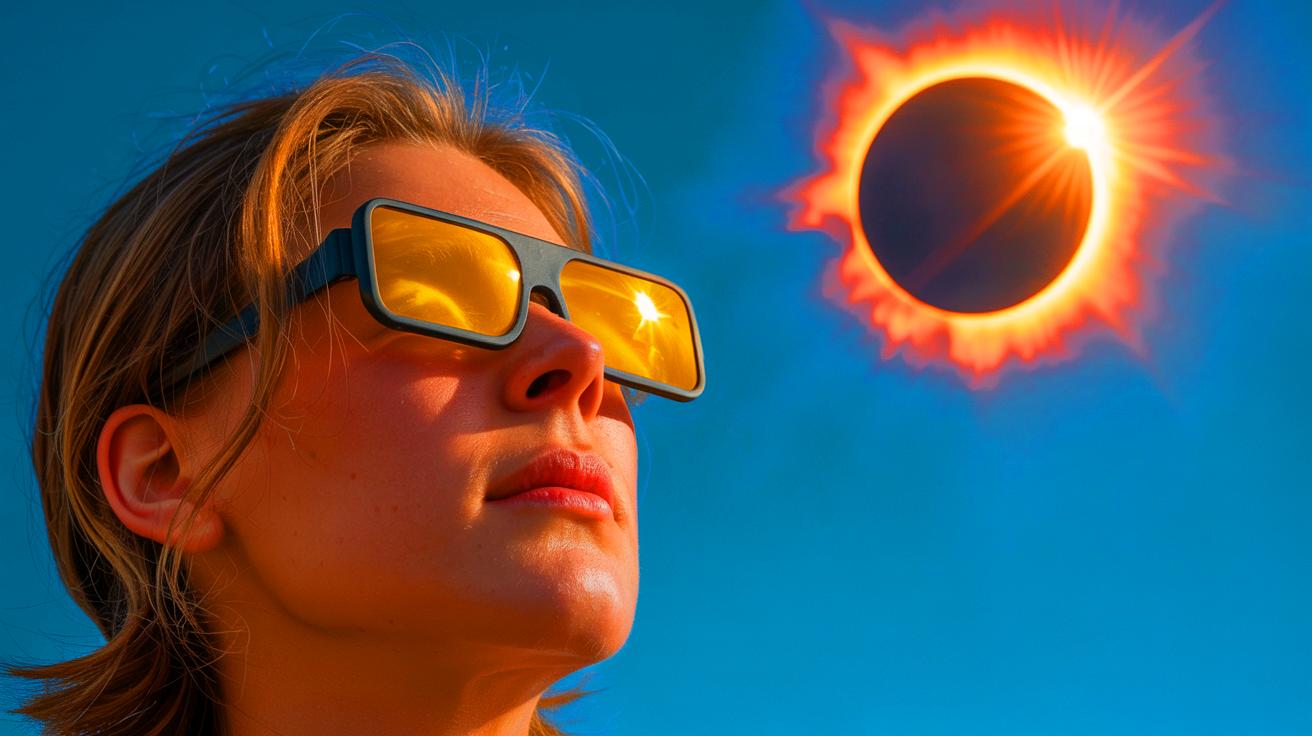
As anticipation builds for the upcoming 2024 North American total solar eclipse, concerns about eye safety have resurfaced. Viewing a solar eclipse without proper protection can lead to serious eye damage, including solar retinopathy, a condition that may not manifest pain immediately. This delayed onset of symptoms makes it paramount for observers to equip themselves with genuine solar eclipse glasses. However, the market is flooded with counterfeit and fake products, posing a substantial risk to the public. With warnings from organizations like the American Astronomical Society, understanding how to identify authentic protective eyewear is more crucial than ever.
The Dangers of Solar Retinopathy
The retina, a light-sensitive layer at the back of the eye, is vulnerable to intense light exposure. During a solar eclipse, the sun’s rays can cause irreversible damage to this vital component of vision. This condition, known as solar retinopathy, occurs when the retina is burned by ultraviolet (UV) rays, leading to blurred vision or even permanent vision loss. The insidious nature of this damage lies in the retina’s lack of pain receptors, meaning the harm may not be immediately apparent.
This delayed symptom onset can result in individuals unknowingly causing severe damage to their eyes. The phenomenon underscores the importance of using proper eye protection when viewing solar eclipses. The same light intensity that can damage human eyes is also detrimental to camera sensors. Hence, using cameras or smartphones without special filters to capture the eclipse can also result in damage to these devices.
Understanding the Difference: Counterfeits Versus Fakes
The market for solar eclipse glasses is plagued by counterfeits and fakes, each posing distinct challenges. Counterfeits are particularly deceptive as they are designed to mimic authentic products closely. These lookalikes often carry legitimate-seeming safety labels and warnings, misleading consumers into a false sense of security. They might include brand-specific disclaimers and appear identical to genuine products, making visual identification challenging.
Fakes, on the other hand, are less sophisticated but equally dangerous. These products lack the necessary UV protection, putting users at risk of retinal damage when used for eclipse viewing. Unlike counterfeits, fakes do not attempt to replicate a specific brand or product but fail to meet safety standards. The American Astronomical Society advises purchasing eclipse glasses from reputable vendors to ensure safety, highlighting the importance of vigilance in consumer choices.
How to Easily Spot Fake Solar Eclipse Glasses
To ensure safety, consumers can perform several tests to verify the authenticity of solar eclipse glasses. Firstly, look for the ISO 12312-2 Standard label, a mark of compliance with international safety standards. However, since counterfeits may also carry this label, further testing is necessary. A simple at-home test involves wearing the glasses indoors. Authentic glasses will block out all light except for the most intense sources, like a bright lamp.
Another test involves wearing the glasses outdoors on a sunny day. Without directly looking at the sun, check for reflections. Genuine glasses will only allow bright reflections to be visible, while fake ones may reveal more. Finally, a quick glance at the sun should show it as a dim, possibly colored disk, without the need to squint. If glasses pass these tests and are purchased from a trusted vendor, they are likely safe.
Preparing for the 2024 Solar Eclipse
With the next total solar eclipse approaching, preparation is key. The American Astronomical Society’s list of reputable vendors is an invaluable resource for securing genuine eclipse glasses. Public awareness campaigns could further aid in educating consumers about the risks associated with counterfeit and fake products. As the event draws near, the importance of reliable eyewear cannot be overstated.
Additionally, local communities and educational institutions can play a role in disseminating information. Workshops and informational sessions could be organized to demonstrate how to test solar eclipse glasses. These efforts can ensure viewers enjoy the celestial event safely, without compromising their vision.
As the excitement for the solar eclipse builds, ensuring the public’s safety remains a priority. The prevalence of counterfeit and fake solar eclipse glasses necessitates vigilance and informed consumer choices. How can we better educate and protect the public from these potentially harmful products as we approach future celestial events?


Wow! 😮 I had no idea fake eclipse glasses were such a big deal.
Thanks for the heads-up! I almost bought eclipse glasses from a sketchy website. 😳
How can I be sure my glasses are real if even fakes have the ISO label?
Is there a quick way to tell if my glasses are legit?
Why are people even making counterfeit eclipse glasses? Seems dangerous and pointless. 🤔
Thanks for the heads-up. I will make sure to double-check my glasses before the eclipse.
Great article! I didn’t realize how serious solar retinopathy could be.
Why are people even making counterfeit glasses? Seems like a weird thing to fake.
Who do we report these fake glasses to? Is there a hotline or website?
Great article! I learned a lot about solar retinopathy. 🌞
This is why we can’t have nice things… 🙄
Can you recommend any reputable vendors for solar eclipse glasses?
Is it safe to use welder’s glass instead of eclipse glasses?
Yikes! Permanent blindness? That’s terrifying. 😱