


| IN A NUTSHELL |
|
In an unexpected turn of events beneath the Pacific Ocean, a seemingly dormant underwater volcano off the coast of Vancouver Island has revealed a hidden biological treasure. This site, initially believed to be inactive, is now recognized for its unique role as a nursery for millions of giant eggs, presenting a fascinating confluence of geological and biological phenomena. The discovery is a testament to the intricate connections between Earth’s geological activities and the thriving ecosystems they support. As scientists delve deeper into this revelation, they are uncovering new insights into how life adapts and thrives in extreme environments, highlighting the importance of protecting these fragile ecosystems.
A Volcano That Refused to Die
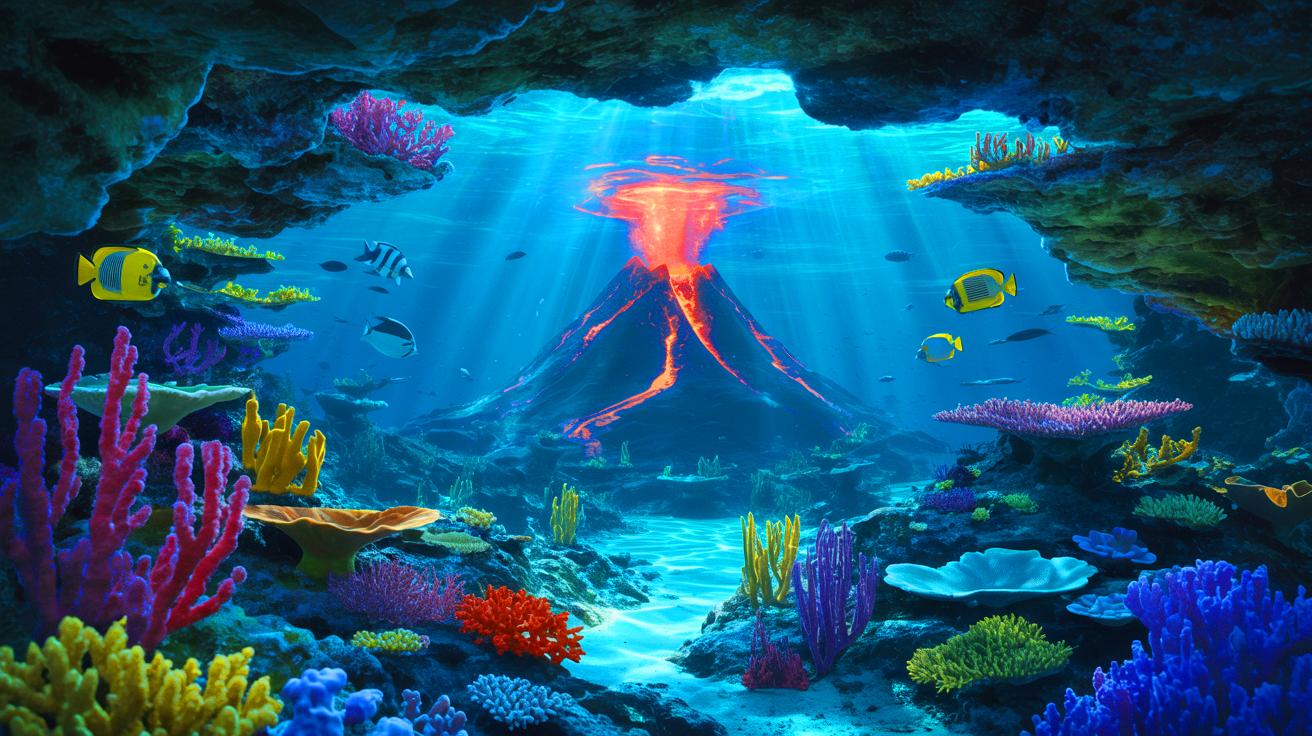
In 2019, a team of researchers from Fisheries and Oceans Canada embarked on a mission to explore a seamount rising over 3,600 feet above the ocean floor. Previously categorized as extinct, the volcano surprised scientists by releasing mineral-rich hot water, indicating ongoing geological activity. This geothermal activity has fostered a sanctuary for various marine species, nurturing vibrant communities of deep-sea corals and sponges. The discovery took a fascinating turn when researchers observed vast numbers of white skate rays laying eggs at the volcano’s summit, located nearly a mile below the ocean surface. This unexpected biological hotspot underscores the symbiotic relationship between geological phenomena and marine life.
The revelation of this active underwater volcano challenges previous assumptions about its dormancy and highlights the dynamic nature of Earth’s geological processes. The presence of white skate rays in such abundance provides a unique opportunity to study how marine species adapt to extreme environments. This finding not only enriches our understanding of marine biology but also emphasizes the need for continued exploration of the ocean’s depths.
An Unprecedented Egg Deposit
The sheer scale of this reproductive event among deep-sea rays has taken marine biologists by surprise. Initial surveys and image analyses suggest that the site could contain hundreds of thousands, if not over a million, eggs. This phenomenon is unprecedented for the species and presents a remarkable example of reproductive strategy in harsh deep-sea conditions. Each egg case, measuring nearly 20 inches long, is equipped with ample nutrients, providing the embryo with a greater chance of survival in the challenging deep-sea environment.
This large-scale egg deposition not only highlights the reproductive strategies of white skate rays but also offers insights into the adaptability of marine species in extreme conditions. The energy-intensive process of producing such large eggs indicates a significant investment in offspring survival, showcasing the evolutionary adaptations that have enabled these rays to thrive in the depths of the ocean.
Volcanic Warmth: Nature’s Incubator
White skate rays, known to inhabit depths ranging from 2,600 to 9,500 feet, are elusive subjects for scientific study. However, researchers hypothesize that these rays utilize the volcano’s hydrothermal warmth to accelerate embryonic development, offering a significant advantage in the cold, slow-paced deep-sea environment. Marine biologist Cherisse Du Preez suggests that while incubation can typically last up to four years in such harsh conditions, the residual heat from the volcano might significantly reduce this period. In addition to providing warmth, the summit offers shallower and more protected terrain, serving as a safe haven for hatchlings before they venture into deeper waters.
This natural incubator exemplifies the dynamic interaction between geological activity and marine life adaptability. The volcano’s warmth serves as a catalyst for biological processes, highlighting the importance of geothermal energy in sustaining life in the ocean’s depths. By studying these interactions, scientists can gain valuable insights into how marine species have evolved to exploit the unique conditions created by underwater volcanic activity.
A Living Laboratory for Marine Evolution
This extraordinary convergence of geology and biology presents researchers with a rare opportunity to study the effects of extreme environments on marine life. Similar to hydrothermal vents near the Galápagos, this site demonstrates that even the most hostile locations can support complex ecosystems. The adaptive strategy of white skate rays—laying large eggs in volcanically active areas—illustrates an evolutionary brilliance that has likely persisted for centuries. While the full extent of species inhabiting this underwater volcano remains unknown, this discovery serves as a reminder of the vast unexplored frontiers beneath the ocean’s surface, ripe for scientific exploration and discovery.
The hidden volcano represents a living laboratory where scientists can investigate the evolutionary adaptations of marine species to extreme environments. By examining the interactions between geological and biological processes, researchers can uncover new insights into the resilience and adaptability of life in the ocean’s depths. This discovery underscores the importance of preserving these unique ecosystems and encourages further exploration of the ocean’s mysteries.
A Call for Conservation and Curiosity
As scientists continue to unravel the mysteries of the million eggs, there is a growing urgency to protect these remarkable deep-sea ecosystems. Volcanic oases like this one are delicate, and with threats such as deep-sea mining and climate change looming, responsible exploration and global cooperation are essential for preserving these habitats. This discovery is not just about a volcano or a rare marine species; it’s a compelling reminder that the deep ocean holds secrets more profound than we can imagine. As new discoveries continue to challenge our understanding of life on Earth, what other wonders might await discovery beneath the ocean’s depths?


Wow, this is like something straight out of a sci-fi movie! 🌋 What else might we find deep in the ocean?
Are there any known threats to these eggs from human activity? 🤔
Incredible discovery! Thanks for sharing this mind-blowing information. 😊
How do scientists even find these hidden volcanoes?
So the volcano isn’t dead, just sleeping? Talk about a rude awakening! 😂
Does this mean there could be other “nurseries” like this around the world?
Living proof that our planet is full of surprises. Nature never ceases to amaze me! 🌍