




| IN A NUTSHELL |
|
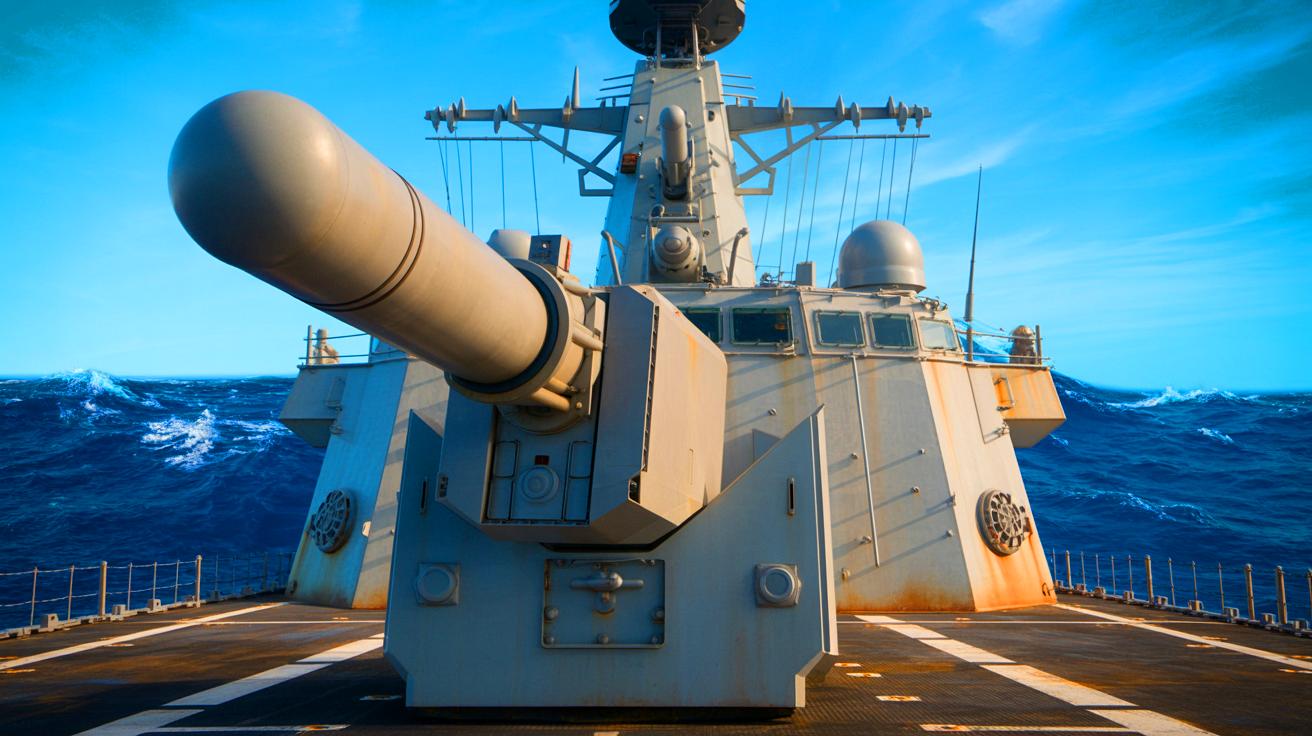
The U.S. Navy’s ongoing commitment to advanced defense systems is underscored by the recent $205 million contract awarded to Raytheon for the enhancement and maintenance of the MK 15 Phalanx Close-In Weapon System (CIWS). As a cornerstone of naval defense, the Phalanx system has been integral in protecting warships from a variety of threats, including anti-ship missiles and aircraft, for over four decades. This latest contract highlights the Navy’s dedication to ensuring its fleet remains secure against evolving threats by continuing to modernize this critical system.
The Backbone of Naval Defense
The MK 15 Phalanx CIWS, colloquially known as “sea-whiz,” is celebrated for its self-contained, rapid-fire capabilities. First installed aboard the USS Coral Sea in the early 1980s, the system has undergone numerous upgrades to maintain its effectiveness in modern naval warfare. Unlike other defense systems that require external input, the Phalanx operates autonomously, capable of detecting, tracking, and engaging threats within seconds. This feature makes it a unique and invaluable asset to the Navy’s defense arsenal.
Over the years, the Phalanx system has evolved significantly. The transition to the Block 1 configuration in 1988 marked a leap forward in radar tracking and firepower capabilities. The current Block 1B variant incorporates a stabilized electro-optical sensor, enhancing its ability to counter emerging threats such as fast surface craft and unmanned aerial systems. The system’s M61A1 Vulcan Gatling gun is capable of firing 20mm rounds at a rate of 4,500 per minute, ensuring formidable protection for the fleet.
Advanced System Capabilities
At the heart of the Phalanx system is its radar-directed, detect-through-engage technology. This sophisticated system autonomously handles the entire defensive process, from threat detection to engagement and kill assessment. The integration of electro-optical sensors in the Block 1B variant has further refined the system’s target identification capabilities, allowing it to operate effectively in complex littoral environments. This enhancement is crucial for countering high-speed threats that may evade traditional radar detection.
The Phalanx system is not only a standalone defensive measure but also a component of the ship’s broader combat systems. Its sensors and fire-control data contribute to the fleet’s overall situational awareness, reinforcing the Navy’s layered defense strategy. Despite the development of new directed-energy systems, the Phalanx remains the only fully deployed autonomous system capable of addressing high-speed anti-ship missile threats, underscoring its continued relevance in naval defense.
The Role of Raytheon in Phalanx Development
Raytheon, through its acquisition of General Dynamics Pomona Division and Hughes Missile Systems, has been pivotal in the development and maintenance of the Phalanx system. The recent contract extension awarded to Raytheon reflects a long-standing partnership with the U.S. Navy, aimed at keeping the Phalanx system at the forefront of naval defense technology. This contract, which extends through January 2029, encompasses conversions, overhauls, and related equipment necessary for the system’s continuous operation and enhancement.
The Navy’s reliance on the Phalanx system is a testament to its proven effectiveness in combat scenarios. As adversaries develop more sophisticated threats, the Phalanx’s rapid-fire and autonomous operation ensure it remains a reliable safeguard for the fleet. The system’s continuous modernization reflects the dynamic nature of naval warfare and the Navy’s commitment to maintaining a robust defense capability.
Future Considerations for Naval Defense
For over 40 years, the Phalanx has been a vital component of the Navy’s defensive strategy, protecting a range of vessels from carriers to destroyers against threats that breach long-range missile shields. The system’s modernization is indicative of the shifting landscape of naval warfare, where adversaries employ maneuvering anti-ship missiles and drone swarms. The Phalanx’s rapid-fire capability and autonomous operation make it a trusted asset in high-threat environments worldwide.
As the Navy continues to invest in new technologies, questions arise about the future role of the Phalanx system. While emerging technologies such as directed-energy weapons are on the horizon, the Phalanx remains indispensable. With this in mind, how will the integration of new technologies shape the future of naval defense?




Wow, this sounds like something out of a sci-fi movie! 🚀
Wow, this sounds like something out of a sci-fi movie! 🚀
Is the Vulcan Gatling gun technology used anywhere else outside of naval systems?
How long does it take to install these upgrades on a ship?
Is this technology effective against all types of drones?
What happens if the system malfunctions during a real attack? 😬
I hope this doesn’t lead to an arms race on the sea!
I’m curious, how does this system differentiate between friend and foe? 🤔
Autonomous? Does this mean it can make decisions without human oversight?
Pretty sure my car’s radar isn’t as advanced as this system. 😂
Great article! Thanks for the detailed explanation. 🙌
How does this system compare to other countries’ naval defense technologies?
205 million seems like a lot of money. Is it really worth it?
205 million sounds like a lot. Is it really worth the investment?
Can this technology be adapted for land-based defenses?
The “sea-whiz” nickname is kinda cute for such a powerful weapon. 😄
Thanks for the informative article. Didn’t know about the Phalanx before!
Does the Navy plan to replace this system with something more advanced soon?
How does it distinguish between friendly and enemy drones?
Why is Raytheon always involved in defense contracts? 🤔
What are the environmental impacts of firing 20mm rounds at that rate?
Great read! The Phalanx system sounds like a crucial part of naval defense. 👍
Does this mean fewer jobs for people on the ships since it’s autonomous?
Hope they don’t accidentally shoot down seagulls. 🦅
Do other countries have similar systems, or is this unique to the U.S. Navy?
Is there a chance this technology could be hacked? 😱
Interesting article! Makes me curious about the future of naval warfare.
What’s the lifespan of a Phalanx system before it needs an upgrade?
Is this part of the Navy’s response to new threats like hypersonic missiles?
Seems like a lot of advanced tech for something that just shoots really fast. 🤔
How many ships currently have this system installed?
Could this tech be used to defend against space threats too? 🚀
Thanks for the article, very enlightening. Keep up the good work!
This system sounds like it’s right out of a video game! 🎮
What happens to the spent casings of the rounds fired? Do they just fall into the ocean?
Why doesn’t the Navy invest in laser systems instead?
205 million for upgrades? Sounds like a bargain for security. 💰
So cool! But are there any risks involved with the autonomous operation?
Does the system need regular maintenance to stay operational?
Are there any known failures or mishaps with the Phalanx system?
How effective is it against drone swarms?
The future of naval defense looks bright, thanks to systems like this!