



| IN A NUTSHELL |
|
In recent years, Europe’s energy landscape has undergone significant changes, driven by geopolitical pressures and the urgent need to diversify energy sources. As European nations attempt to wean themselves off Russian energy supplies, TotalEnergies CEO Patrick Pouyanne has issued a cautionary note. He warns against overreliance on U.S. liquefied natural gas (LNG), which now supplies a substantial portion of Europe’s energy needs. With the European Union (EU) imposing sanctions on Russia and seeking alternative sources, the dynamics of international energy dependencies are shifting dramatically.
TotalEnergies’ Strategic Position in Europe
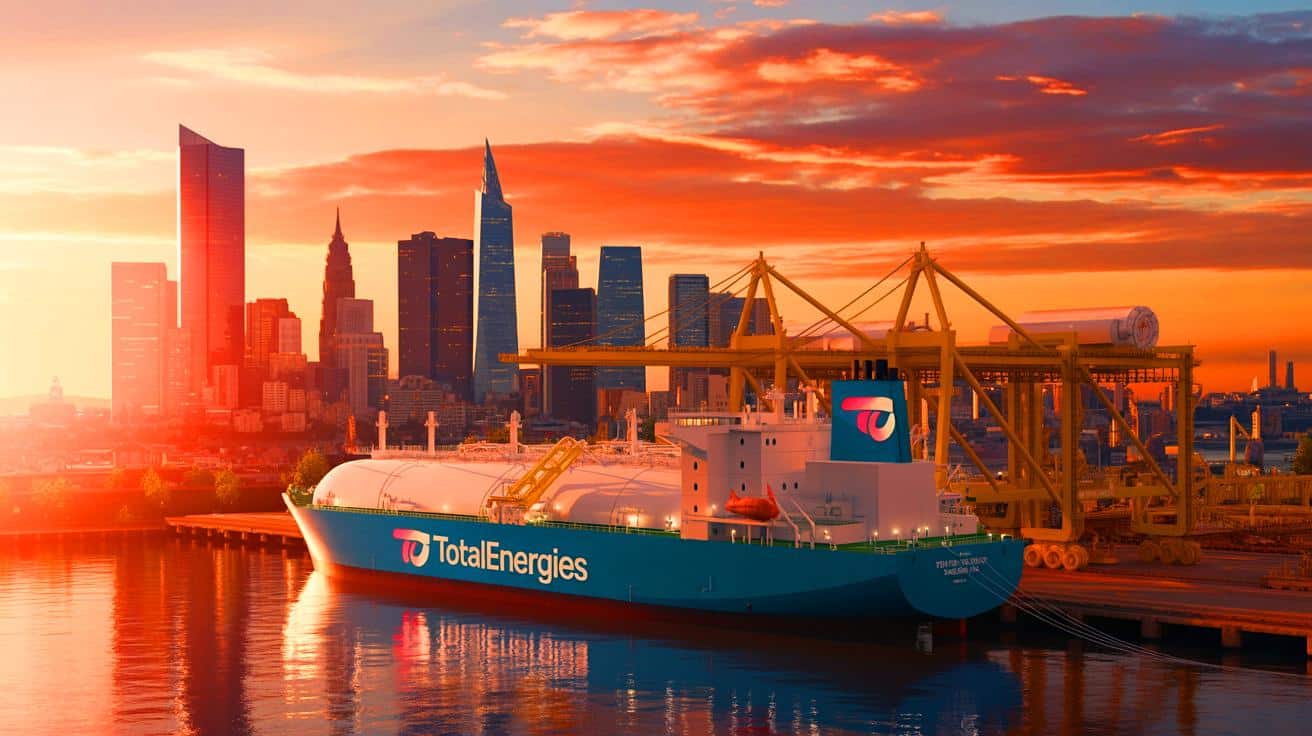
TotalEnergies has become a key player in Europe’s energy market, primarily through its significant imports of U.S. LNG. This move aligns with Europe’s strategy to diversify its energy sources, especially after Russia’s decision to restrict pipeline flows post-2022. However, Patrick Pouyanne’s recent statements highlight a potential risk in this strategy. By becoming too dependent on U.S. LNG, Europe might simply be trading one form of dependency for another. This situation raises concerns about energy security and price stability across the continent.
The company’s strategic positioning allows it to influence European energy policies significantly. As the largest importer of U.S. LNG in Europe, TotalEnergies plays a pivotal role in shaping the continent’s energy future. Yet, Pouyanne’s warning suggests that while diversifying away from Russian gas, Europe should not overlook the importance of maintaining a balanced mix of energy sources to ensure long-term stability and security.
Geopolitical Tensions and Energy Dependencies
Geopolitical tensions are reshaping the global energy market, with Europe caught in the middle. The ongoing conflict between Russia and Ukraine has pushed European nations to seek alternative energy pathways. The EU’s decision to impose sanctions on Russia, including a ban on LNG imports starting in 2027, underscores the urgency of this shift. These measures aim to weaken Russia’s economic capacity to continue its aggressive stance in Ukraine.
In this context, the U.S. has emerged as a major player, supplying approximately 40% of Europe’s LNG. However, as Pouyanne pointed out, this reliance is not without its challenges. President Trump has pressured European nations to increase their intake of U.S. LNG, a move that could lead to higher energy prices. This situation underscores the delicate balance Europe must maintain to avoid new forms of energy dependency that could impact its economic stability.
US Crude Production Reaches New Heights, Setting Record for Two Consecutive Weeks, EIA Reveals
Future Energy Projects and Diversification
Looking ahead, Europe’s energy diversification strategy includes new projects in Qatar and the U.S., expected to come online by 2027. These projects represent crucial steps in reducing dependency on any single energy source or geopolitical player. However, the timeline for these projects coincides with the EU’s sanctions on Russian LNG, necessitating careful planning and coordination to avoid supply gaps.
While the push for diversification is essential, it also requires substantial investment and collaboration among European nations. The development of infrastructure to support alternative energy sources, such as renewables, is vital. Additionally, collaboration with global partners to secure a stable and diversified energy supply chain will be critical in the coming years. Europe’s ability to navigate these complex challenges will determine its energy security and economic resilience in the face of geopolitical pressures.
Balancing Energy Security and Economic Stability
The interplay between energy security and economic stability is a key concern for European policymakers. While diversifying away from Russian energy is strategically sound, the transition must be managed to prevent economic disruptions. Higher energy prices resulting from increased U.S. LNG imports could have far-reaching implications for European industries and consumers.
Moreover, maintaining a diverse energy portfolio is crucial for mitigating risks associated with geopolitical tensions. Pouyanne’s cautionary note serves as a reminder that energy independence is not solely about replacing one dependency with another. It involves creating a resilient energy network that can withstand global shocks and ensure sustainable growth. As Europe continues to navigate these complexities, the balance between securing energy supplies and maintaining economic stability will remain a central theme in its policy discussions.
As Europe moves towards a more diversified energy future, the challenges of balancing geopolitical influences and economic realities persist. How can European nations effectively secure their energy independence while avoiding new dependencies that may threaten economic stability? This question remains pivotal as Europe charts its course in the evolving global energy landscape.



Great article! But isn’t it just trading one dependency for another? 🤔
Interesting read! But isn’t relying on US LNG better than being dependent on Russian gas? 🤔
Thank you for highlighting this issue. Energy security is crucial for Europe’s future.
Thank you for highlighting this issue. What alternative sources should Europe focus on?
Is it really possible to diversify completely without some form of dependency?
Isn’t diversification always the key to stability? Why focus so much on just U.S. LNG?
Great article! But isn’t it a bit alarmist to say that US LNG could threaten economic stability? 🤷♂️
This feels like a geopolitical chess game. Who’s the real winner here? 🎲
Why is TotalEnergies only concerned about US LNG now? Weren’t they part of the shift?
Well, as long as we avoid another energy crisis, I’m all for different sources!
It’s a good point. Trading one dependency for another doesn’t solve the problem.