


| IN A NUTSHELL |
|
The Trump administration has unveiled a controversial plan to dramatically expand offshore oil drilling in U.S. coastal waters, targeting areas off California, Florida, and Alaska. This proposal, which aims to open over 1 billion acres to energy exploration, represents a significant shift in federal policy. While industry leaders praise the initiative as a boost to domestic production, environmental groups and several state leaders express grave concerns about potential ecological damage and threats to local economies reliant on tourism and fishing. As the proposal enters a period of public scrutiny and debate, its wide-ranging implications for energy policy and environmental stewardship remain at the forefront.
Unprecedented Lease Sales Proposal
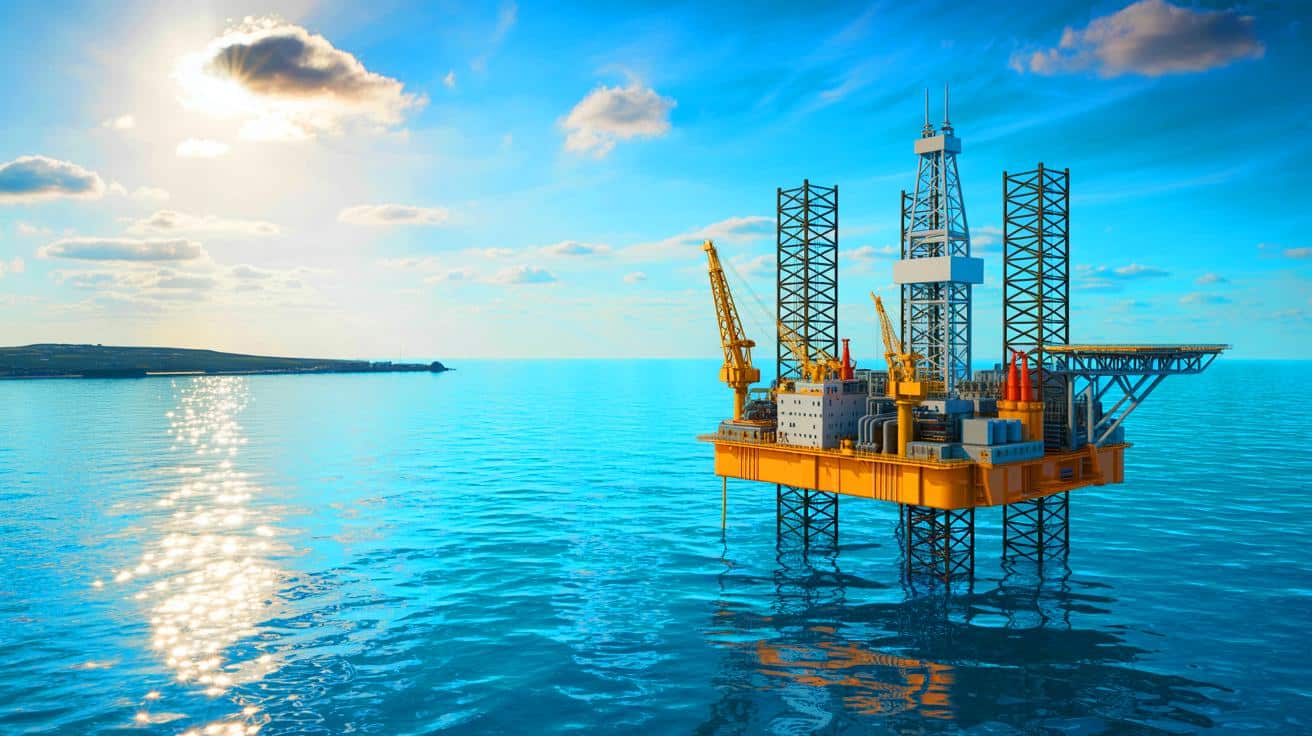
The Interior Department has proposed up to 34 offshore lease sales, a stark increase from previous plans. This includes 21 sales off the coast of Alaska, six along the Pacific Coast, and seven in the Gulf of Mexico. For decades, waters near Florida and Alabama have been off-limits due to environmental concerns. Republican leaders in these southern states have historically opposed such drilling, fearing oil spills that could harm crucial industries like tourism and fishing. The proposed leases could disrupt these industries, raising concerns among local communities who depend on pristine coastal environments.
The sheer scale of the proposal underscores the administration’s commitment to expanding domestic energy production. The plan is a direct response to what Interior Secretary Doug Burgum described as the Biden administration’s restrictive policies. He emphasized the need to maintain a robust leasing plan to ensure America’s energy dominance and employment in the offshore industry. This ambition reflects a broader strategy to secure energy independence and bolster the national economy through increased resource extraction.
Environmental and Economic Concerns
The proposal has sparked intense debate between industry advocates and environmental groups. The American Petroleum Institute hailed the plan as historic, asserting that it would revitalize the offshore oil industry and create jobs. However, the Natural Resources Defense Council condemned it as a reckless concession to big oil companies, prioritizing corporate profits over environmental protection. The potential for oil spills and ecological disruption looms large, especially in sensitive areas like Alaska’s Beaufort Sea and the high Arctic, which are home to fragile ecosystems.
California Governor Gavin Newsom has been vocal in opposing the plan, declaring it “dead on arrival.” This sentiment is echoed by various lawmakers and advocacy groups who argue that the expansion of offshore drilling poses unacceptable risks to coastal communities. The proposal has also reignited discussions about the balance between economic growth and environmental conservation, highlighting the complexities of energy policy in the face of climate change and global environmental challenges.
Trump Finalizes Gulf Oil Lease, Proposes 2026 Alaska Sale: What This Means for U.S. Energy Future
Public and Political Reactions
The plan’s release has triggered a wave of reactions from both supporters and opponents. Erik Milito of the National Ocean Industries Association emphasized the importance of keeping options open as the plan moves toward finalization. The broad scope of the blueprint is seen as a strategic move to allow for adjustments based on public input and regulatory reviews. This process is expected to be contentious, with environmental groups planning to challenge the proposal in court and through public campaigns.
Joseph Gordon, a campaign director at Oceana, criticized the proposal as a betrayal of bipartisan efforts to protect coastal waters. He warned that expanded drilling could lead to catastrophic oil spills, devastating marine life and coastal economies. The debate highlights the deep divisions between those prioritizing energy development and those advocating for environmental preservation. As the public comment period unfolds, the administration will need to navigate these complex issues, balancing economic interests with environmental responsibilities.
US Energy Secretary Reveals Nuclear Power Plants as Top Focus for Major Federal Loan Initiative
Future of Offshore Drilling
The future of offshore drilling in the U.S. remains uncertain as the proposal undergoes scrutiny. Industry experts note that the plan is likely to be scaled back due to opposition from state leaders and environmentalists. The current global energy landscape, marked by fluctuating oil prices and increasing focus on renewable energy sources, adds another layer of complexity to the decision-making process. The proposal’s impact on the oilfield services sector is already visible, with stocks of major offshore drillers experiencing declines due to oversupply concerns.
The administration’s plan is a pivotal moment for U.S. energy policy, reflecting broader debates about resource management and sustainability. As discussions continue, a critical question emerges: how will the U.S. balance the pursuit of energy independence with the need to protect its natural resources and address climate change? This question will likely shape the future of energy policy and environmental stewardship in the years to come.
As the Trump administration’s proposal for expanded offshore drilling moves forward, the nation faces a critical juncture in its energy policy. The debate highlights the challenges of balancing economic growth with environmental protection, particularly in vulnerable coastal regions. As public comments and political negotiations unfold, the outcome will have lasting implications for America’s energy landscape. How will the U.S. navigate these competing priorities, and what role will public opinion play in shaping the future of offshore drilling? This is a pivotal moment for decision-makers and citizens alike to engage in meaningful dialogue about the nation’s energy future.


Does anyone else think this plan is going to be a disaster for marine life? 🐬
Will this drilling plan actually create new jobs, or just enrich the oil companies? 🤔
Great article! Thanks for highlighting the environmental risks of this proposal.
Does anyone know if this plan includes safety measures to prevent oil spills? 🛢️
Why are we still focusing on oil drilling when renewables are the future? 🤔
I’m skeptical. How can we trust the Trump administration to protect our coastlines?
Wow, drilling in California? That’s bold. Is it even legal?
This is a great opportunity for job creation in the energy sector. Kudos to the administration! 👏
The environmental concerns are real. Let’s not repeat past mistakes!
More oil exploration just seems like a step backward. Renewables are the future!
Oil spills are inevitable. Remember the Deepwater Horizon? We can’t afford another one.
Interesting read! I’m curious how this will impact tourism in Florida.
Why can’t we focus on clean energy instead of risking our oceans? 🌊
Can someone explain how this will impact tourism in Florida and California?
What does this mean for the fishing industry along the Gulf Coast?
Good luck getting Californians on board with this. They’ll fight it tooth and nail!