



| IN A NUTSHELL |
|
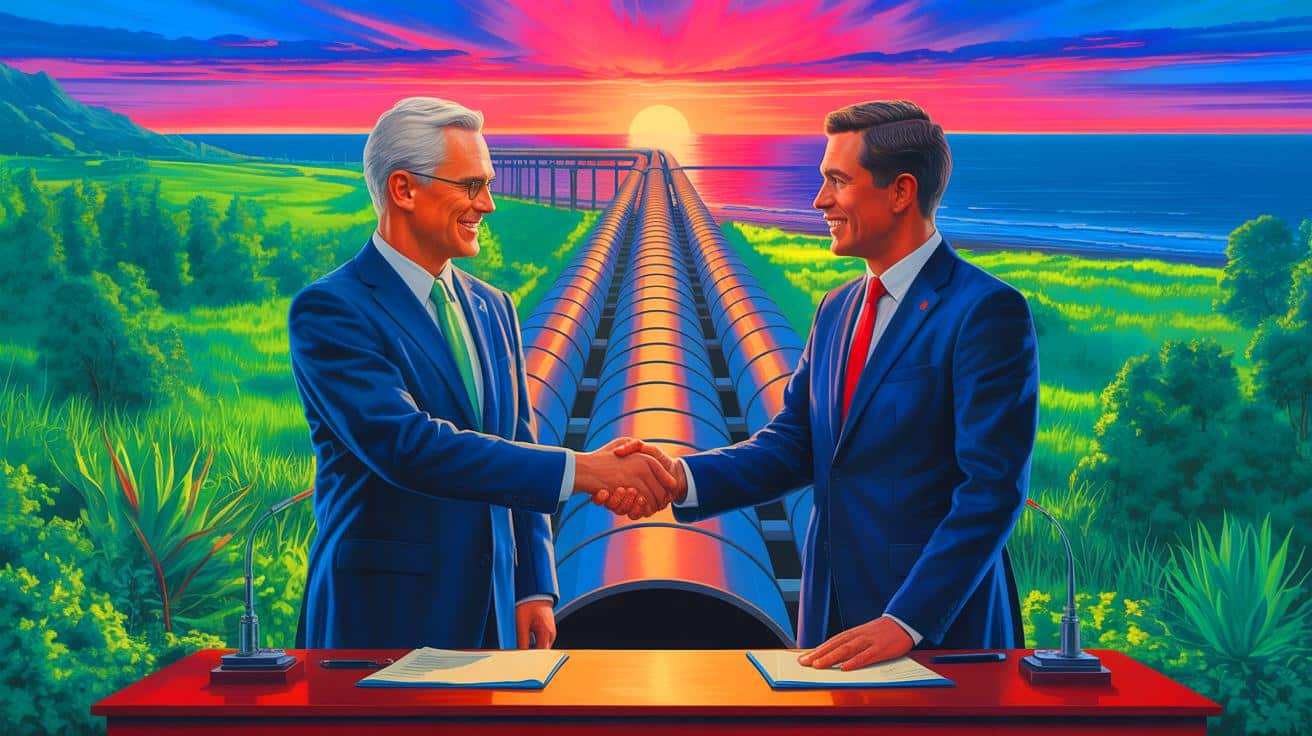
The recent energy agreement between Prime Minister Mark Carney and Alberta Premier Danielle Smith marks a significant step forward in Canada’s energy landscape. This memorandum of understanding (MOU) lays out the path for a new oil pipeline to the Pacific, conditional on meeting specific emission and climate criteria. The agreement aims to strengthen cooperation on infrastructure projects, enhance energy production, and boost economic sustainability. By focusing on industrial carbon pricing and other measures, this deal represents a nuanced approach to balancing environmental concerns with energy development. As Canada navigates these complex dynamics, the implications of this agreement will be closely watched by stakeholders across the nation.
Key Elements of the Energy Agreement
The MOU between the federal and provincial governments highlights several key commitments. Among them is an industrial carbon pricing agreement that sets a price of $130 per tonne to reduce methane emissions by 75% over the next decade. This initiative is part of a broader strategy to address climate concerns while facilitating energy project approvals. The federal government has agreed to suspend clean electricity regulations in Alberta and refrain from implementing an oil and gas emissions cap. These measures are designed to create a conducive environment for the development of new energy infrastructure, particularly the proposed oil pipeline to Asia.
Prime Minister Carney emphasized the transformational potential of this agreement, describing it as a pivotal moment for Canadian energy policy. The pathway to a pipeline to Asia is seen as a means to enhance Canada’s energy independence and sustainability. The requirement for the Pathways Alliance carbon capture project to be developed alongside the pipeline underscores the integrated approach being taken to energy and environmental challenges.
Potential Impact on British Columbia
The new energy agreement has sparked reactions from neighboring British Columbia. Premier David Eby has expressed opposition, citing concerns over the exclusion of his province from discussions on the pipeline. The MOU mentions plans to engage with British Columbia to align economic interests and involve First Nations in financial benefits. This engagement is crucial, given the potential for the pipeline to disrupt provincial dynamics and environmental policies.
The agreement also suggests the possibility of amending the Oil Tanker Moratorium Act to accommodate the new pipeline, potentially opening an exemption to the federal tanker ban.
US Oil and Gas Rig Count Declines, Raising Questions About Future Amid Record Production Levels
This potential adjustment has raised questions about the balance between economic development and environmental protection. The dialogue between the governments and indigenous communities will be critical in navigating these complex issues and ensuring equitable outcomes.
Projects Under the MOU
The MOU outlines several projects that aim to position Canada as a global energy leader. These projects include constructing pipelines with Indigenous co-ownership to transport low-emission Alberta bitumen, focusing on Asian markets. The Pathways project, a major carbon capture initiative, is a prerequisite for the pipeline’s approval and highlights the commitment to reducing emissions.
Other projects include developing AI computing power with a focus on sovereign cloud infrastructure and building transmission interties with British Columbia and Saskatchewan to enhance low-carbon power supply. These initiatives are designed to create numerous high-paying jobs and facilitate a transition to net-zero greenhouse gas emissions by 2050.
As Premier Smith noted, the synergy between the pipeline and Pathways project underscores the interdependence of economic and environmental objectives in the energy sector.
Timelines and Implementation
The MOU establishes specific timelines for implementing its measures. By April 1, 2026, the governments plan to finalize agreements on carbon and methane pricing, as well as a tri-lateral agreement with Pathways companies. These steps aim to create a robust framework for advancing the proposed projects.
Additionally, by July 1, 2026, Alberta must determine how to submit its pipeline application to the Major Projects Office, with federal feedback on Alberta’s AI data centers policy framework. The final milestone is set for January 1, 2027, when Alberta is expected to finalize its nuclear power generation strategy. These timelines reflect the urgency and complexity of the tasks involved in transforming Canada’s energy sector.
The energy agreement between Canada and Alberta represents a strategic move to enhance energy independence while addressing environmental concerns. As the implementation progresses, the focus will remain on balancing economic growth with sustainability. This agreement could reshape Canada’s energy landscape, but it also raises important questions about the future of provincial relations and environmental policies. How will these developments affect Canada’s role as a global energy player, and what lessons can be drawn for future energy agreements?


Is this really a “landmark” agreement, or just more of the same? 🤔
Wow, this is gonna be huge for Alberta! Can’t wait to see all the new jobs it creates. 🚀
Thank you, Carney and Smith, for thinking about Alberta’s future!
So, does this mean cheaper gas prices for us in the near future? 🤔
What are the environmental implications of adjusting the Oil Tanker Moratorium Act?
Why does British Columbia always have to be left out of these discussions? Feels like a recurring issue.
So, will Alberta become the new oil hub of the world? 🌎
Great initiative but what about the environmental impact? Are we just brushing it under the rug?
More pipelines? Haven’t we learned anything from past experiences?
How will this impact indigenous communities’ rights and lands?
Can someone explain how carbon capture actually works? I’m a bit skeptical about its efficiency.
Carbon pricing at $130 per tonne? Seems like a good step for the planet. 🌿
Interesting move by Carney. I hope it doesn’t backfire politically! 🧐
Finally, some high-paying jobs! Our economy needs this boost.
Alberta seems to be getting all the attention. What about the other provinces?
What about British Columbia’s opposition? Ignoring them doesn’t sound like a good idea.