




| IN A NUTSHELL |
|
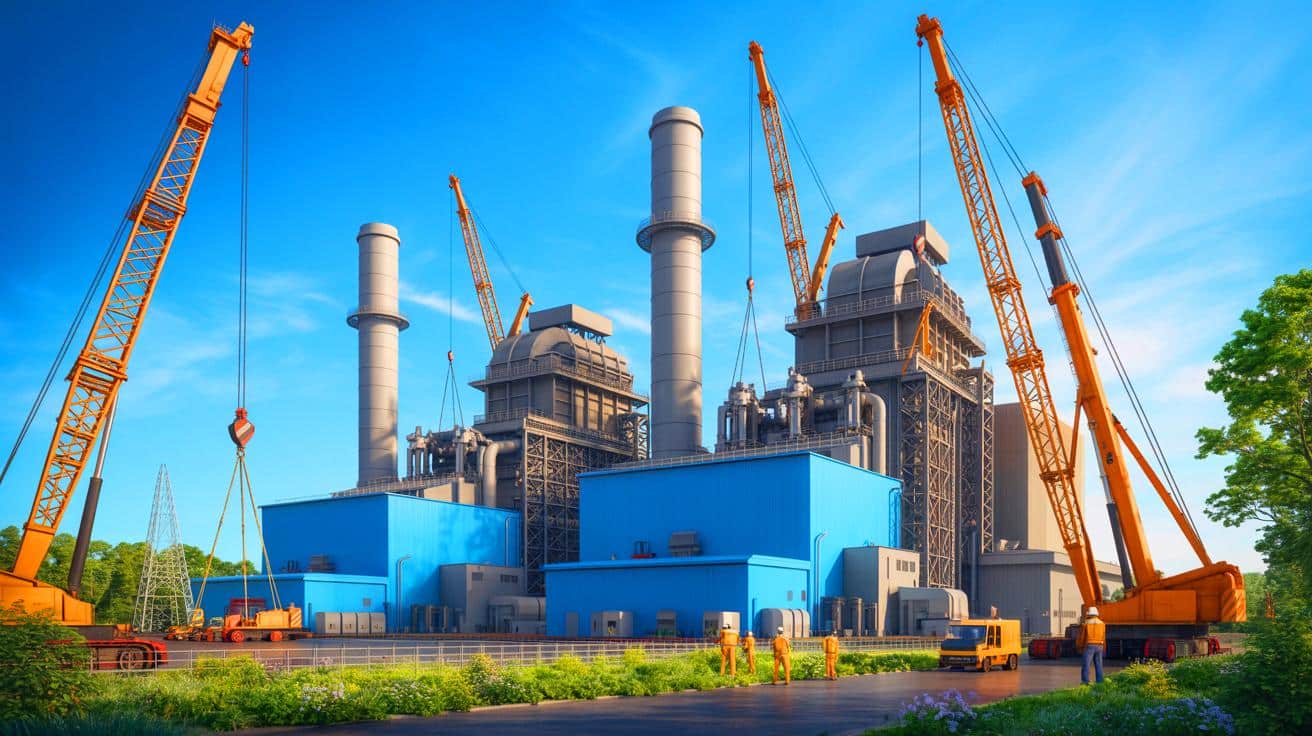
The U.S. Department of Energy’s recent announcement of a $100 million investment to refurbish and modernize coal-fired power plants marks a significant moment for the country’s energy policy. This initiative forms part of the Trump administration’s broader strategy to revitalize coal usage, which has seen a decline over recent years. The efforts aim to secure a reliable and affordable power supply, especially important in powering data centers and supporting the growing demand for artificial intelligence technologies. However, this move has sparked a debate, particularly in light of global efforts to combat climate change and reduce carbon emissions.
Revitalizing Coal: A Strategic Decision
The decision to allocate $100 million towards modernizing coal plants represents a strategic pivot in U.S. energy policy. The Trump administration has emphasized the role of coal in delivering large amounts of electricity crucial for technological advancements, such as data centers and artificial intelligence. According to U.S. Secretary of Energy Chris Wright, this funding is essential to maintain the reliability of America’s power supply while ensuring affordability for consumers.
Yet, this focus on coal contrasts sharply with the policies of previous administrations. Under Presidents Biden and Obama, there was a concerted effort to reduce reliance on coal in favor of cleaner energy sources. Critics of the current policy argue that it overlooks the environmental impacts associated with coal use. The administration’s stance has reignited discussions about the balance between energy needs and environmental responsibilities, a topic that remains contentious among policymakers and environmentalists alike.
Environmental Concerns and Climate Change
Environmentalists have expressed strong opposition to the Trump administration’s support of coal, citing it as a step backward in the fight against climate change. Coal-fired power plants are significant sources of carbon emissions, contributing to global warming and environmental degradation. The push to refurbish these plants runs counter to international efforts to reduce carbon footprints and transition to renewable energy sources.
The global community has been working towards reducing carbon emissions, with many countries investing heavily in renewable energy technologies. The U.S., as a leading global power, plays a crucial role in these efforts. Critics argue that by investing in coal, the U.S. risks undermining international climate agreements and setting back progress made in reducing emissions. This tension highlights the ongoing challenge of balancing national energy needs with global environmental responsibilities.
Technological Investments and Energy Innovation
Despite the controversy, the investment in coal plants includes significant technological advancements aimed at improving efficiency and reducing environmental impact. The Energy Department’s plan focuses on three strategic areas: advanced wastewater management, fuel switching between coal and natural gas, and coal-natural gas co-firing systems. These initiatives are designed to optimize plant operations and reduce their ecological footprint.
Advanced wastewater management technologies are crucial in minimizing the environmental impact of coal plants. By improving how wastewater is treated and managed, these plants can significantly reduce their pollution levels. Additionally, fuel switching and co-firing systems offer a more flexible and potentially cleaner approach to energy generation, allowing for a gradual transition from coal to natural gas. These technological improvements are vital for modernizing the coal industry and aligning it with more sustainable practices.
The Future of U.S. Energy Policy
The Trump administration’s coal investment raises important questions about the future direction of U.S. energy policy. As the country continues to face growing energy demands, particularly from technology sectors, the need for reliable and affordable power sources remains paramount. However, this need must be balanced with environmental considerations and international climate commitments.
As the U.S. navigates this complex landscape, the choices made today will have lasting impacts on both the domestic economy and the global environment. Policymakers, industry leaders, and environmentalists must work together to find innovative solutions that address energy needs while protecting the planet. How will the U.S. reconcile these competing priorities and lead the way in sustainable energy practices?



Why invest in coal when renewables are the future? 🤔
Isn’t coal kind of outdated? Why not invest in renewables instead? 🤔
This is a step backwards… we should be focusing on green energy!
Thank you for the informative article! I had no idea about the $100 million investment.
Thanks for the comprehensive analysis on this hot topic!
More coal? I thought we were moving away from fossil fuels. 😕
Coal again? Didn’t we learn anything from the past? 😅
Good to see some focus on advanced wastewater management. That’s a positive step!
Interesting read, but I wonder how this aligns with global climate goals?
100 million dollars could have been better spent on solar or wind energy projects.
Is coal really cheaper in the long run when you factor in environmental costs?
How does this align with global climate goals? Seems contradictory.
Excited to see technological advancements in coal, but still skeptical. 🤨
Why can’t we use that $100 million to build wind farms instead?
Wait, are we in the 21st century or the 19th? Coal again? 😂