



| IN A NUTSHELL |
|
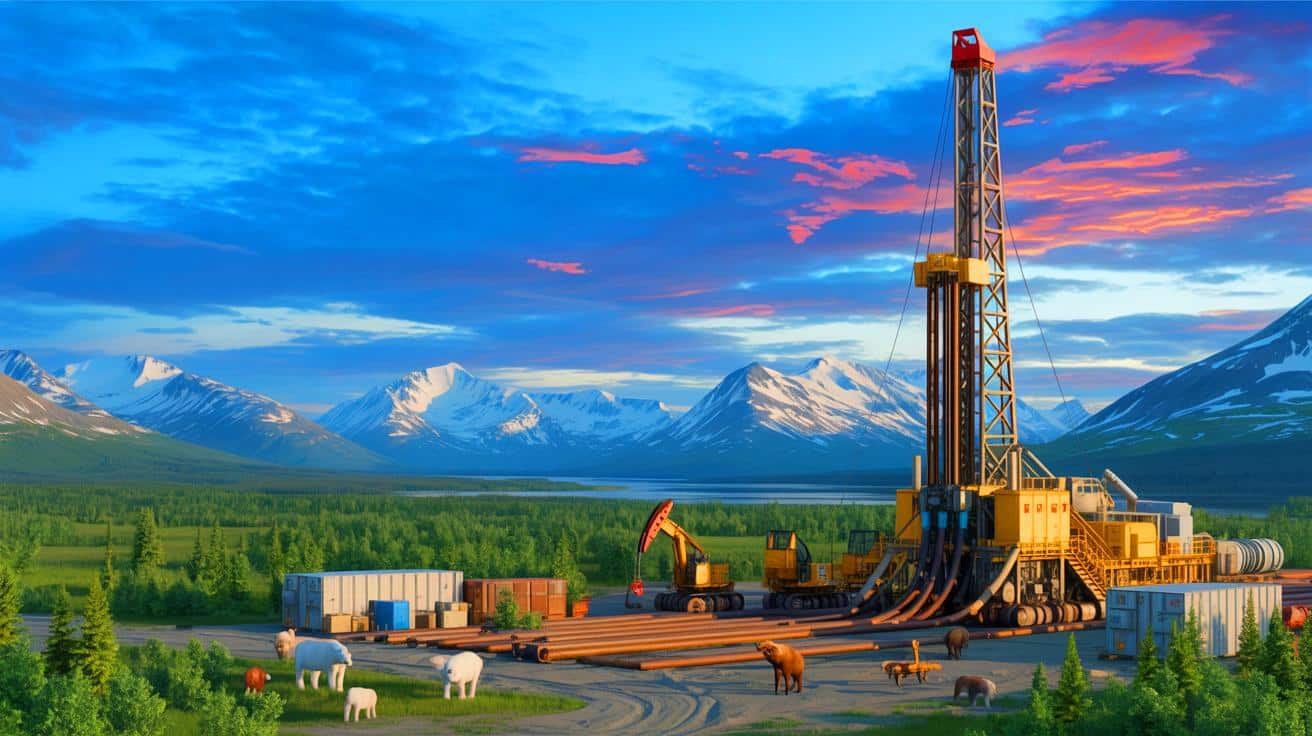
The Trump administration has finalized the reversal of Biden-era restrictions on oil and gas drilling in Alaska’s vast National Petroleum Reserve. This region is renowned for being the largest tract of undisturbed public land in the United States. The decision aligns with President Trump’s broader energy strategy aimed at increasing domestic oil and gas production, particularly in resource-rich areas like Alaska. The move has been met with mixed reactions, highlighting the ongoing debate over energy development versus environmental conservation in the region.
Impact on Alaska’s Land and Wildlife
The rollback of restrictions affects 10.6 million acres of Alaska’s National Petroleum Reserve, a key area known for its pristine wilderness and diverse wildlife. Environmentalists argue that opening this land to drilling could have detrimental impacts on the ecosystem, threatening species such as polar bears, caribou, and migratory birds. The untouched nature of this land has made it a critical habitat for these species, which rely on the area for breeding and migration.
Proponents of the rollback insist that modern drilling techniques minimize environmental damage. They argue that the regulations in place are sufficient to protect the environment while allowing for energy development. However, critics remain skeptical, pointing to past incidents where oil spills and infrastructure development have caused irreversible harm.
US Drillers Boost Oil and Gas Rigs Again, Signaling a Shift in Energy Landscape Amid Global Demand
The balance between economic development and environmental protection remains a contentious issue in Alaska.
Economic Implications for Local Communities
For local communities, particularly the Alaska Native group Voice of the Arctic Inupiat, the rollback is seen as a positive step. The group supports oil and gas development as it generates significant tax revenues, which fund essential services such as healthcare and education. Jobs created by the energy sector are also crucial for the economic stability of these communities.
However, the economic benefits are not uniformly distributed. While some communities see significant gains, others are concerned about the long-term sustainability of relying on fossil fuel extraction. The debate continues over whether the short-term economic boost is worth the potential environmental cost and the eventual transition to renewable energy sources.
National Energy Security and Policy Directions
Interior Secretary Doug Burgum emphasized the rollback as a move towards enhancing American energy security. By increasing domestic oil production, the United States aims to reduce its dependence on foreign oil imports, thereby strengthening its energy independence. This aligns with the Trump administration’s broader policy of prioritizing domestic energy production.
Trump Finalizes Gulf Oil Lease, Proposes 2026 Alaska Sale: What This Means for U.S. Energy Future
The decision also reflects a shift in policy direction from the previous administration, which emphasized transitioning to renewable energy sources. The Biden-era rule was part of a larger strategy to combat climate change by limiting fossil fuel extraction. The reversal highlights the ongoing policy tug-of-war between environmental sustainability and energy independence.
The Future of U.S. Energy Policy
The rollback of Biden-era restrictions raises questions about the future trajectory of U.S. energy policy. As global conversations intensify around climate change and sustainable development, the United States faces pressure to balance its energy needs with environmental responsibilities. The current administration’s focus on oil and gas development could impact international relations, particularly with countries prioritizing renewable energy.
The decision also underscores the importance of bipartisan dialogue in shaping a cohesive energy policy that addresses both economic and environmental concerns. As the energy landscape evolves, so too must the policies that govern it, ensuring they are adaptable to new challenges and opportunities.
The decision to rescind drilling restrictions in Alaska highlights the complex interplay between economic development, environmental conservation, and energy policy in the United States. As the nation grapples with these competing priorities, what future strategies will best balance these vital interests?


Are we really going to prioritize short-term economic gains over long-term environmental sustainability? 🌍
Is it really worth sacrificing the Alaskan wilderness for more oil? 🤔
Finally, some common sense in energy policy! Thank you, Trump administration! 🇺🇸
Does anyone know if modern drilling techniques really minimize environmental damage?
Finally, some common sense in energy policy! Thank you, Trump administration. 🇺🇸
Oh great, let’s just destroy more wildlife habitats… 😒
How will this decision affect Alaska’s local communities in the long run?
What about the wildlife? Are there any measures to protect them?
This is a step backwards for environmental conservation. So disappointing. 😔
Is the economic benefit really worth the potential environmental cost?
Why does it feel like we’re taking one step forward, two steps back with these policies? 😒
Drilling in Alaska? What could possibly go wrong… 🤦♂️
Can someone explain how this aligns with American energy security?
Does anyone know how this will affect gas prices in the long term?
Thank goodness for policies that support domestic energy production!