


| IN A NUTSHELL |
|
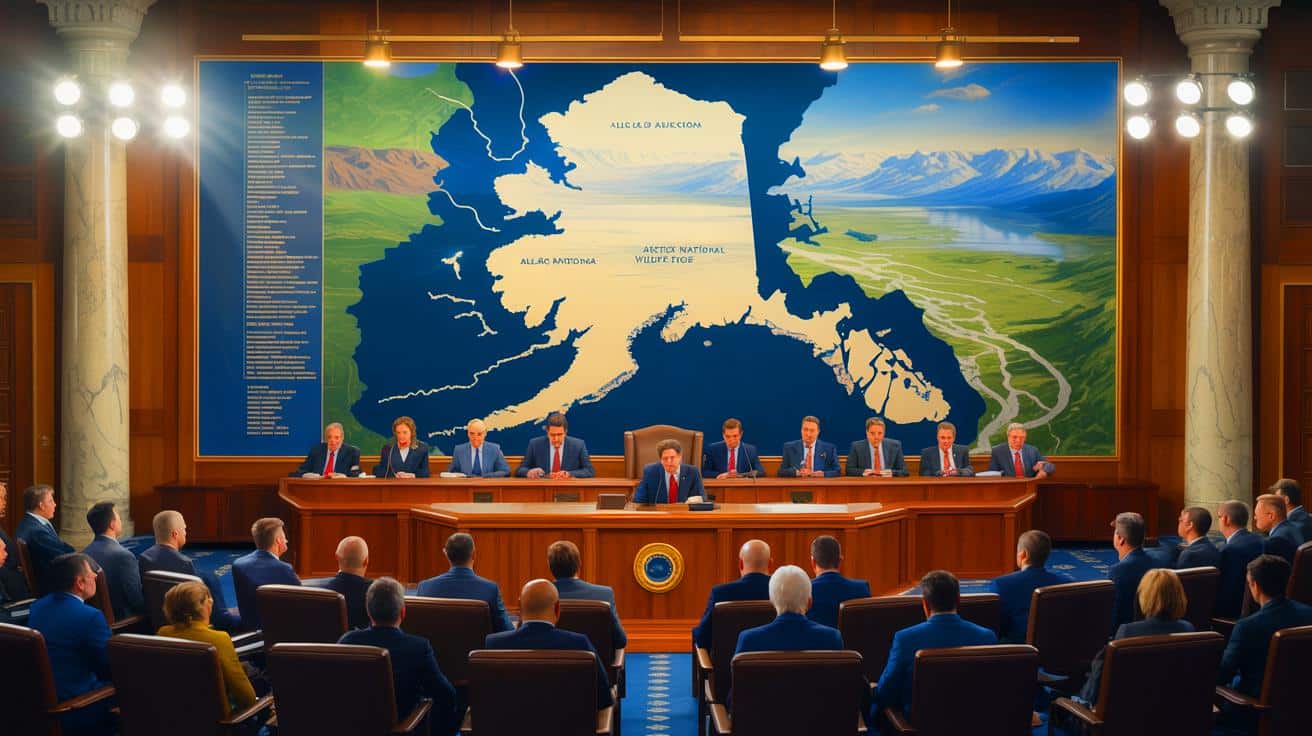
In a move that has reignited debates about energy and environmental priorities, the U.S. Congress voted to repeal a Biden-era policy that limited oil and gas development in the Arctic National Wildlife Refuge (ANWR). This decision has significant implications for environmental preservation and energy development. The Arctic refuge, home to diverse wildlife and fragile ecosystems, has long been at the center of a tug-of-war between economic interests and environmental conservation. This recent legislative action, passed with a narrow Senate vote of 49-45, underscores the complexity and contentiousness of balancing economic growth with ecological responsibility.
The Legislative Shift: A Political Balancing Act
The recent congressional vote marks a significant shift in U.S. energy policy, effectively overturning a rule from the Department of the Interior that restricted leasing in the Arctic National Wildlife Refuge. The resolution needed a simple majority to pass, and it did so with a 49-45 vote. Notably, one Republican senator, Susan Collins of Maine, sided with Democrats to oppose the resolution, highlighting the nuanced political landscape surrounding this issue. This decision aligns with former President Donald Trump’s agenda to expand domestic energy production, a stance that contrasts sharply with the Biden administration’s focus on environmental protection.
The Arctic National Wildlife Refuge is a 1.56-million-acre expanse on Alaska’s coastal plain, known for its pristine environment and rich biodiversity. Proponents of drilling argue that it could lead to job creation and increased revenue, particularly for local communities and tribal corporations. However, conservationists warn that such development could irreversibly damage delicate ecosystems and disrupt the habitat of numerous species. The legislative decision thus reflects broader ideological differences regarding the balance between economic development and environmental stewardship.
US LNG Exports Surge to Record Highs in November, Driven by Cooler Weather and Robust Production
Economic Implications and Local Perspectives
The potential economic benefits of oil and gas development in the Arctic are substantial. Proponents argue that opening up the refuge for drilling could lead to significant job creation and boost the local economy. For many in Alaska, particularly tribal corporations and local businesses, the promise of increased revenue and employment opportunities is compelling. These economic incentives are crucial for a state that relies heavily on the oil and gas industry for its financial well-being.
However, this potential economic boon is not without its critics. Opponents, including numerous environmental groups, argue that the long-term ecological costs outweigh the short-term economic gains. They caution that drilling could lead to environmental degradation, affecting wildlife and the broader ecosystem. The debate is further complicated by the views of Indigenous communities, who are divided on the issue. While some see development as a path to economic empowerment, others fear it will compromise their traditional way of life and the land they consider sacred.
US Drillers Add Rigs Again: What This Growing Trend Means for Energy Markets and Local Communities
Environmental Concerns and Conservation Efforts
Environmentalists are deeply concerned about the potential impact of oil and gas development on the Arctic National Wildlife Refuge. The region is home to a wide range of wildlife, including polar bears, caribou, and migratory birds. The introduction of industrial activities could disrupt these species’ habitats, leading to long-term ecological consequences. Conservationists argue that the Arctic refuge represents one of the last untouched wilderness areas in the United States, and they view its preservation as a moral and ecological imperative.
Efforts to protect the refuge have been ongoing for decades, with numerous legal and political battles fought over its future. The recent legislative decision to open it up for drilling is seen by many environmental groups as a setback. They argue that such actions undermine global conservation efforts and are inconsistent with the growing recognition of the need for sustainable and responsible environmental stewardship. This decision could also have broader implications for U.S. environmental policy, potentially setting a precedent for future decisions regarding protected lands.
The Future of U.S. Energy Policy
The repeal of the Biden-era limits on oil and gas development in the Arctic refuge raises critical questions about the future direction of U.S. energy policy. It highlights the ongoing tension between efforts to promote energy independence and the need to address climate change. As the country grapples with these competing priorities, the decision underscores the challenges of crafting a coherent energy strategy that balances economic, environmental, and social considerations.
This legislative shift may also influence future political debates and policy decisions. It reflects broader trends in U.S. politics, where energy policy remains a deeply divisive issue. As the nation moves forward, the challenge will be to find a path that accommodates economic growth while ensuring environmental sustainability. The decision to allow drilling in the Arctic refuge is a reminder of the complex and often contentious nature of these discussions.
The decision to repeal the limits on oil and gas development in the Arctic National Wildlife Refuge is a pivotal moment in U.S. energy policy. It raises important questions about the balance between economic growth and environmental preservation. As the implications of this decision unfold, the nation faces a critical juncture: how can it reconcile these competing interests to create a sustainable and prosperous future?



Is this the right move for our economy, or are we sacrificing too much of our natural heritage? 🤔
Wow, did Congress really think this through? 🤔
Where’s the balance between jobs and nature? This is a tough one.
What about the wildlife? Are there any plans to mitigate the impact on their habitats?
Can someone explain how this will affect local wildlife? 🐻
Finally, a step in the right direction for energy independence! 🇺🇸
Alaska needs jobs, but at what cost? Sad to see this happen.
Finally, some good news for the economy! 💼
As an Alaskan, I worry about both the jobs and the environment. Why can’t we have both?
Who else thinks this is a disaster waiting to happen? 😱
How does this decision align with global efforts to combat climate change?
What will be the long-term environmental impacts?
More oil and gas? Seriously? What about renewables? 🌿
Wow, politics are as unpredictable as ever. One Republican senator siding with Democrats? That’s something!
Appreciate the detailed analysis in this article.
Great article, thanks for keeping us informed! 📰
Isn’t this just a step backward in fighting climate change?