




| IN A NUTSHELL |
|
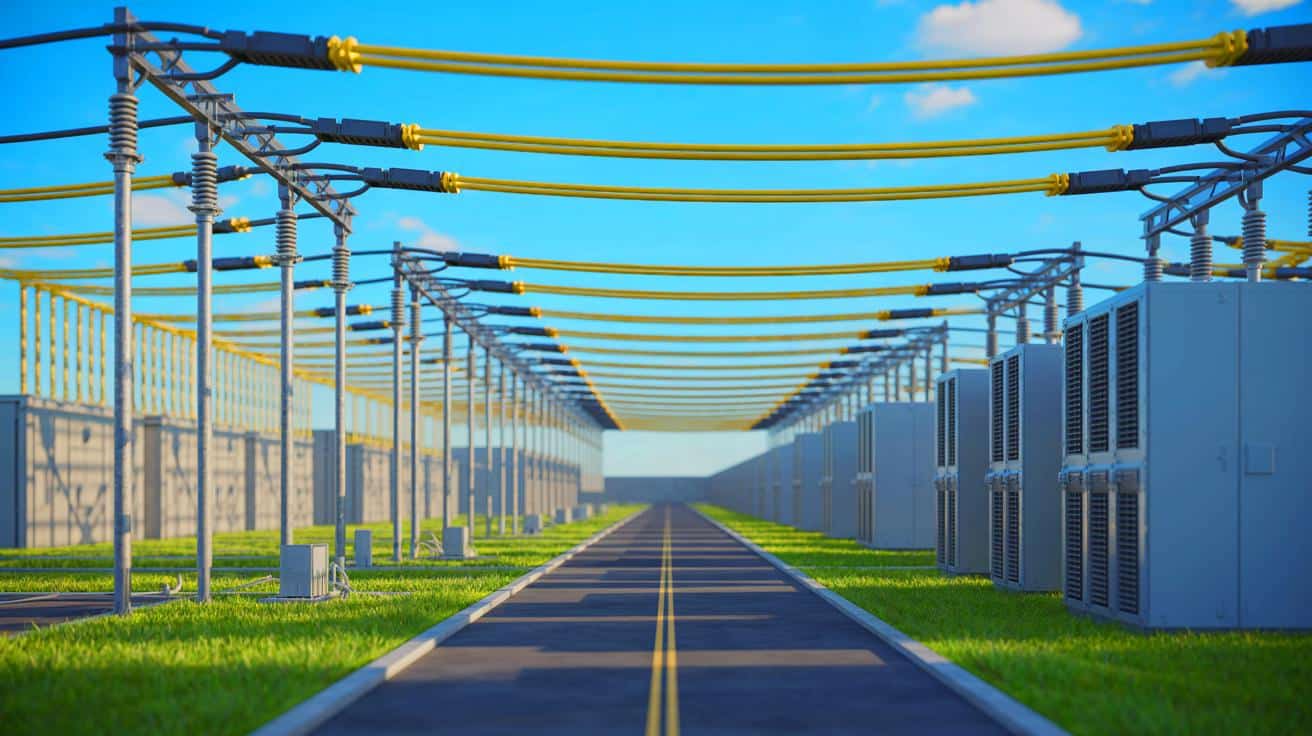
The U.S. energy landscape is undergoing a seismic shift as the demand for power surges, driven by the rapid expansion of data centers and advancements in artificial intelligence. In response, U.S. Energy Secretary Chris Wright has proposed a significant regulatory change aimed at expediting the connection of these power-intensive data centers to the national grid. This proposal, submitted to the Federal Energy Regulatory Commission (FERC), is designed to streamline the interconnection process and reduce the lengthy review periods that often impede grid development. As the country grapples with increased energy needs, this initiative could reshape how the grid meets modern demands.
Accelerating Grid Connections: A New Rule Proposal
The U.S. Department of Energy has put forth a new rule to FERC that seeks to hasten the connection of data centers to the electric grid. Spearheaded by Energy Secretary Chris Wright, this rule allows for joint, co-located load and generation interconnection requests. The aim is to significantly cut down on the time and cost associated with grid improvements. Typically, reviews for grid projects can take several years, but Wright’s proposal suggests that a 60-day review period could be feasible.
This streamlined process is crucial as the demand for electricity rises, fueled by the expansion of data centers and the AI sector. The current administration, led by President Donald Trump, is focusing on boosting power capacity primarily through fossil fuels and nuclear energy. However, this focus has sparked a mixed reaction from various stakeholders. While some industry representatives see it as a necessary step for modernizing the grid, environmentalists have voiced concerns about the potential environmental impact and the administration’s energy priorities.
Support and Criticism: Diverse Stakeholder Reactions
The proposed rule has garnered both support and criticism from different corners. The Edison Electric Institute, representing publicly-traded electric utilities, has endorsed the initiative, highlighting its potential to strengthen the grid and lower costs for consumers. The organization believes that faster interconnection times will be beneficial for the overall energy infrastructure.
Conversely, environmental groups have criticized the proposal. Camden Weber from the Center for Biological Diversity expressed concerns over the administration’s priorities, particularly during a government shutdown. Weber argued that fast-tracking grid connections without thorough environmental reviews could have detrimental effects. This criticism underscores the ongoing debate between expanding energy capacity and maintaining environmental safeguards, a key issue in the current energy policy landscape.
Hydropower Development: Removing Permit Burdens
In addition to the grid connection proposal, Secretary Wright has also urged FERC to consider a rule aimed at easing the preliminary permitting process for hydroelectric projects. This move aligns with efforts to diversify energy sources and increase reliance on renewable energy. Malcolm Woolf, president and CEO of the National Hydropower Association, praised the initiative, emphasizing the need to prevent unnecessary barriers from federal resource agencies that could hinder hydropower development.
Hydropower is considered a critical component of a sustainable energy future, offering a reliable and renewable energy source. By reducing permit burdens, the U.S. could potentially accelerate the development of hydroelectric projects, contributing to a more balanced energy mix. This proposal reflects a broader strategy to ensure that renewable energy sources are not sidelined in the pursuit of increased power capacity.
The Role of FERC: Independence and Influence
FERC, an independent agency within the Department of Energy, plays a pivotal role in shaping U.S. energy policy. While the energy secretary can propose rules, FERC maintains the authority to accept or reject them. With a current 3-2 Republican majority, the commission’s decisions are closely watched by industry and environmental groups alike.
The independence of FERC is crucial for maintaining a balanced approach to energy regulation. As the commission reviews the proposed rule changes, it must weigh the benefits of expedited processes against potential risks to environmental integrity and regulatory oversight. This decision-making process highlights the delicate balance FERC must maintain to ensure that energy policies are both forward-thinking and responsible.
As the U.S. navigates its energy future, the proposals put forth by Secretary Wright represent a significant shift in how the country addresses growing power demands. These initiatives highlight the tension between rapid development and environmental stewardship, a core challenge for modern energy policy. As FERC deliberates on these proposals, the outcome will likely shape the trajectory of the U.S. energy landscape. What balance will be struck between innovation, capacity, and environmental responsibility in this evolving energy narrative?



Isn’t reducing review times risky? What if important environmental factors are overlooked?
Interesting read! But is it safe to bypass environmental reviews? 🤔
Good move for tech growth, but what about the carbon footprint? 🌍
👍 Great article! It’s about time we modernize our grid connections.
Finally, some progress in grid connections! Thank you for the update.
Why is the 60-day review period considered feasible? Seems too short! 🤔
60 days to review? Sounds too good to be true.
Connecting data centers faster sounds good, but what about the environmental cost?
I’m concerned about the environmental impact. Are there any safeguards?
Energy Secretary Wright seems to be in a hurry. Why the rush? 🤨
Can someone explain how this will lower consumer costs? I’m skeptical. 🤨
Why is there always a trade-off between progress and the environment?
Thanks for shedding light on this topic. Very informative!
Loved the article! More innovation is always welcome. ⚡️