



| IN A NUTSHELL |
|
In a rapidly evolving landscape of renewable energy, a Swiss startup, Plan-B Net Zero, is pioneering a dual-pronged approach to stabilize power grids across Europe. By integrating battery storage systems with hydrogen technology, the company aims to address both short-term and long-duration energy storage needs. This innovative model was unveiled at the D-A-CH Hydrogen Symposium in Austria, highlighting its potential to transform the interconnected grids of Germany, Austria, and Switzerland. With the energy sector under pressure from volatile renewable feed-in and extreme weather events, this approach offers a promising pathway to a resilient and sustainable energy future.
Partnering Batteries and Hydrogen
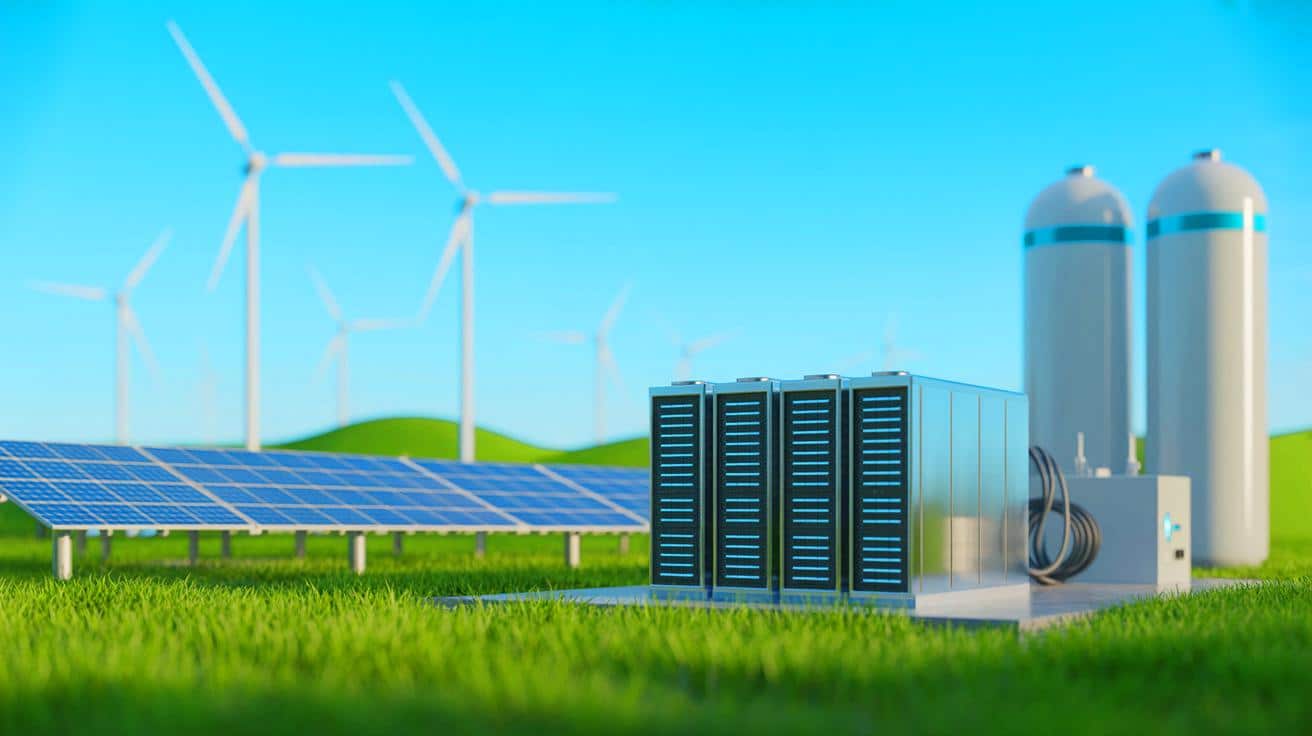
As the demand for renewable energy rises, the power grids in the DACH region face increasing challenges. Traditional methods struggle to cope with the volatility of renewable sources and lagging grid expansions. In response, Plan-B Net Zero proposes an integrated model combining Battery Energy Storage Systems (BESS) with hydrogen technologies. BESS effectively manages rapid fluctuations within milliseconds, addressing short-term surpluses or deficits.
Hydrogen, produced from renewable sources, serves as a long-term storage solution, capable of holding energy for months before reconversion via fuel cells or turbines. The synergy of these technologies enhances efficiency, economic viability, and resilience. AI-driven forecasting and control algorithms further optimize this system by coordinating generation, storage, and demand in real time. Plan-B Net Zero suggests that batteries and hydrogen are not competitors but complementary pillars of a stable, future-ready energy system.
Regional Energy Hubs
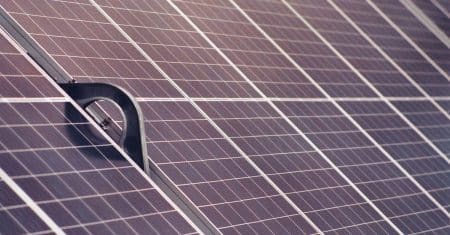
Plan-B Net Zero’s vision extends to creating regional energy hubs that integrate photovoltaic generation, battery storage, and electrolyzers into a cohesive system. These hubs convert surplus renewable electricity into hydrogen, which can be stored locally for later use, ensuring flexibility and energy security. The company is actively developing a project pipeline of approximately 1.3 GWh of stand-alone BESS, with plans to incorporate hydrogen technologies.
This integration is expected to expand capabilities from short-term balancing to seasonal storage, allowing batteries to handle rapid fluctuations and hydrogen to provide sustained backup over extended periods. By localizing energy production and storage, these hubs could play a crucial role in transitioning to a fully renewable energy system.
Global Trends in Hydrogen Energy
Hydrogen energy is gaining traction worldwide, with South Korea recently commencing construction on the world’s largest hydrogen fuel cell power plant. This facility aims to supply clean electricity to about 270,000 households annually. As countries seek to reduce carbon emissions and enhance energy security, hydrogen offers a viable solution for long-duration energy storage and clean power generation.
The global interest in hydrogen underscores its potential as a cornerstone of future energy systems. By harnessing hydrogen alongside battery technologies, Plan-B Net Zero positions itself at the forefront of this energy revolution, offering a model that could be replicated in various regions worldwide.
Challenges and Opportunities
While the integration of batteries and hydrogen presents significant opportunities, several challenges remain. The development of infrastructure for hydrogen production, storage, and distribution requires substantial investment and coordination across sectors. Additionally, technological advancements are needed to improve the efficiency and cost-effectiveness of both battery and hydrogen systems.
Despite these challenges, the potential benefits of a decentralized, resilient energy system are immense. By leveraging the strengths of both batteries and hydrogen, Plan-B Net Zero’s approach offers a promising solution to the energy sector’s most pressing issues. As the world moves toward decarbonization, such innovations will be critical in achieving sustainable energy goals.
As Plan-B Net Zero continues to develop its dual approach to energy storage, the question remains: How will other regions adapt to and integrate these technologies to create a sustainable energy future? The answers will shape the trajectory of the global energy landscape in the coming decades.

Wow, this sounds like a game-changer for Europe’s energy grid! 👏
Wow, this sounds like a game-changer for the energy sector! How long until we see this tech implemented globally? 🌍
Isn’t hydrogen storage still pretty expensive? How are they tackling that?
Are there any potential environmental impacts from using hydrogen at such a large scale? 🤔
Can this technology be scaled up for larger countries like the US or China? 🤔
Plan-B Net Zero? More like Plan-Amazing! Keep up the great work! 💪
What happens if there’s a glitch in the AI algorithms? Sounds risky!
Color me skeptical. How viable is this really for countries outside Europe?
Finally, a solution that combines the best of both worlds! 🌍
Will this affect energy prices for consumers in the long run? 💡
Where can I invest in this startup? 😄
How long before we see this implemented in other parts of the world?
I’m still not convinced hydrogen is the way to go. Too many hurdles!
Will the regional energy hubs also help reduce energy costs for consumers?
Great to see innovation coming out of Switzerland!
Why hasn’t anyone thought of this before? Genius!
Are there any environmental risks associated with this technology?
Hope they manage to overcome the infrastructure challenges. Fingers crossed! 🤞
Sounds like a sci-fi movie plot. Batteries and hydrogen saving the day! 😂
How do they ensure the hydrogen production process is truly green?
Thank you for sharing this insightful article. Very informative! 😊
Could this help reduce Europe’s reliance on Russian gas?
Battery storage + hydrogen = perfect combo! 🔋⚡
What are the main competitors to Plan-B Net Zero in this space?
How much of Europe’s energy needs could this realistically cover?
Does anyone else think “Plan-B Net Zero” is a cool name for a startup? 😎
Is this tech already in use or still in the testing phase?
What are the potential downsides of this integration?
This could be a turning point for renewable energy technologies!
How do they plan to coordinate with existing energy providers?
Hope they address the cost-effectiveness issue sooner rather than later.
Are there any partnerships with governments or other companies?
More articles like this, please! We need positive news about the environment. 🌱
How does it compare to other renewable energy solutions in terms of reliability?
Would love to see this implemented in Africa where energy needs are growing.
Is the AI component open-source by any chance?
What role does policy play in supporting these innovations?
Hope this inspires more startups to tackle energy challenges! 🚀
Are there any pilot projects already showing results? Would love to see data!