




| IN A NUTSHELL |
|
Imagine a scenario where every light bulb across the globe is switched on simultaneously. This seemingly simple act would trigger an unprecedented demand for electricity, challenging power grids worldwide. Electricity is a vital energy source, generated from various fuels like coal, natural gas, and renewables. The power grid is a complex network that must balance supply and demand instantly to prevent outages. A sudden spike in electricity demand from turning on all the lights could potentially destabilize this delicate balance, leading to widespread blackouts. However, recent advancements in technology and energy infrastructure could help mitigate such risks.
The Challenge of Meeting a Demand Spike
Turning on lights worldwide at the same time would create a massive demand surge, forcing power plants to rapidly increase output. The response capabilities of these plants vary. Coal and nuclear facilities can generate large quantities of electricity but are slow to adjust to demand changes. In contrast, natural gas plants can quickly ramp up production, making them ideal for meeting peak demands, such as during hot summer afternoons.
Renewable sources like solar and wind are cleaner alternatives but less controllable due to their dependence on weather conditions. Grid operators often use large batteries to manage electricity flow as demand fluctuates. However, existing battery technology cannot store enough energy to power entire cities, making them insufficient for handling such a global surge. Hydropower operators sometimes pump water into reservoirs during low demand, releasing it to generate electricity when needed.
Fortunately, the lack of a single global power grid means that individual national or regional grids would face the demand spike separately. Many adjacent grids, such as those in the U.S. and Canada, can disconnect quickly to prevent a cascading failure. Additionally, the widespread adoption of energy-efficient LED bulbs has reduced overall electricity consumption, easing the burden on power grids.
Sky Glow and Light Pollution
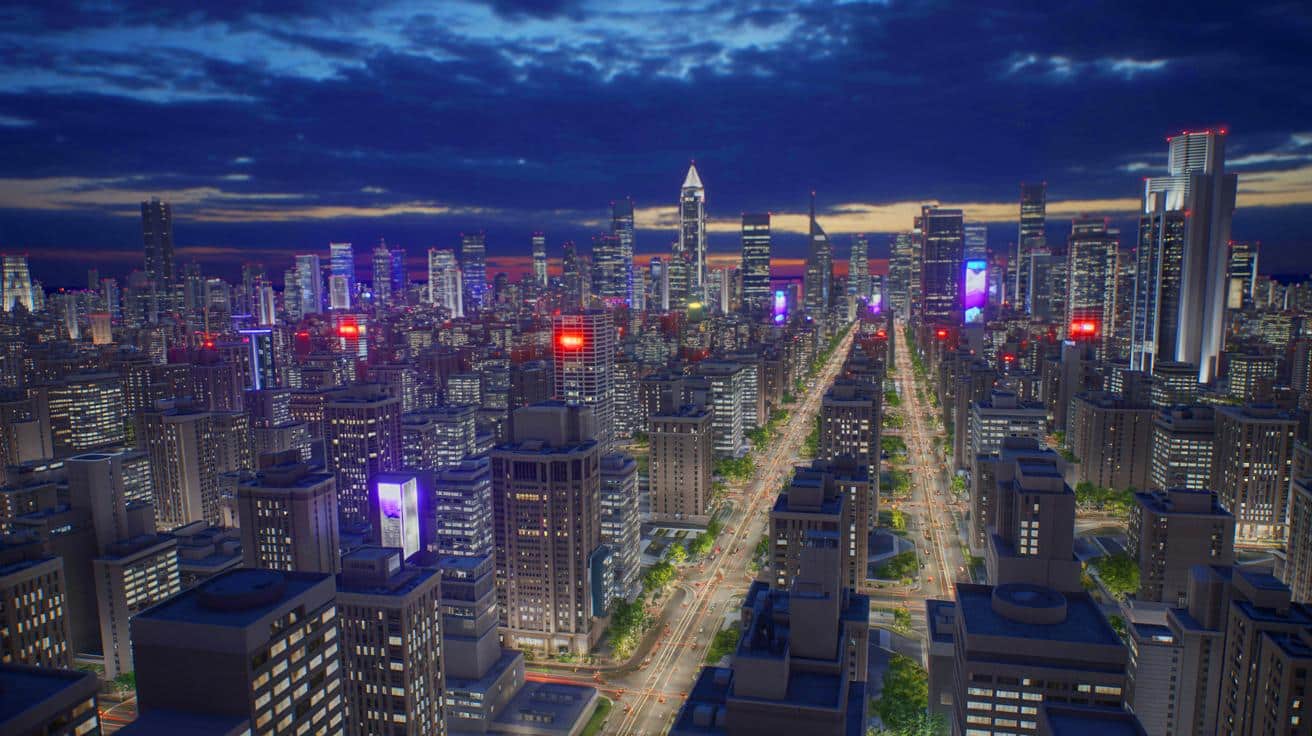
The potential consequences of turning on every light extend beyond electricity demand. Increased lighting would exacerbate sky glow, the diffuse brightness over urban areas that obscures the night sky. Sky glow occurs when artificial light reflects off atmospheric particles, making stars less visible. Lighting is often excessive, with empty office buildings illuminated around the clock and streetlights directed upwards rather than towards the ground.
Even well-designed lighting systems contribute to light pollution, making cities visible from space while hiding stars from terrestrial observers. This pollution affects human health by disrupting circadian rhythms and poses risks to wildlife, including insects, birds, and sea turtles. A simultaneous global lighting event would significantly increase sky glow, creating a starless night sky and impacting ecosystems reliant on natural darkness.
Technological and Environmental Implications
The potential for a simultaneous lighting event underscores the importance of improving energy infrastructure and addressing environmental impacts. Transitioning to more flexible and sustainable energy sources is crucial. Expanding battery storage capacity and integrating more renewable energy sources can help stabilize grids and reduce reliance on fossil fuels.
Efforts to minimize light pollution are equally important. Implementing better lighting designs that focus illumination where needed and reducing unnecessary lighting can preserve night skies and protect ecosystems. Public awareness campaigns and policy changes are essential to encourage responsible lighting practices and promote energy efficiency.
Overall, this hypothetical scenario highlights the interconnected nature of our energy systems and the need for continued innovation to ensure a sustainable future. As we strive to balance energy demands with environmental considerations, the role of technology and thoughtful planning becomes ever more critical.
Economic and Social Considerations
The economic implications of a global lighting surge are significant. Power plant operators would incur substantial costs to meet increased demand, potentially passing these costs to consumers. Additionally, regions heavily reliant on fossil fuels may face heightened emissions, conflicting with global carbon reduction goals. The shift towards energy-efficient technologies like LED bulbs offers potential savings, but widespread adoption remains uneven.
Socially, the increased light pollution could affect community life and cultural practices. For many, the loss of visible night skies would be a profound change, impacting activities ranging from astronomy to traditional storytelling. Education and advocacy can play pivotal roles in promoting sustainable energy use and preserving natural environments.
As we consider the broader implications of energy consumption and light pollution, it becomes clear that our choices today will shape the world of tomorrow. How can we balance the technological advancements necessary for progress with the preservation of our planet’s natural beauty and resources?


Wow, never thought of lights as such a big deal! 😮 Thanks for shedding light on this issue.
This is fascinating! 🌟 I never thought about the night sky being impacted so much, but it makes sense.
Wouldn’t turning on all the lights just make it impossible for us to see the stars forever? 😢
Is it really possible for all lights to be turned on at once? Seems a bit far-fetched to me.
Interesting article, but how likely is such an event to happen? Seems a bit too hypothetical to worry about.
Is there any way to test this scenario in a controlled environment to see the real impacts?
Great article! I had no idea about the impact on the night sky. 🌌
Great read. I hope the focus on renewable energy continues to grow!
Isn’t this scenario a bit unrealistic? How often would all lights be turned on at the same time?
LEDs to the rescue again! 🦸♂️ But seriously, we need more solar panels too.
This sounds like a plot for a sci-fi movie. Who writes these scenarios? 😂
So, what are some practical steps we can take to prevent this from happening?
Why is light pollution still such a big issue? Haven’t we figured out better tech for this?