




| IN A NUTSHELL |
|
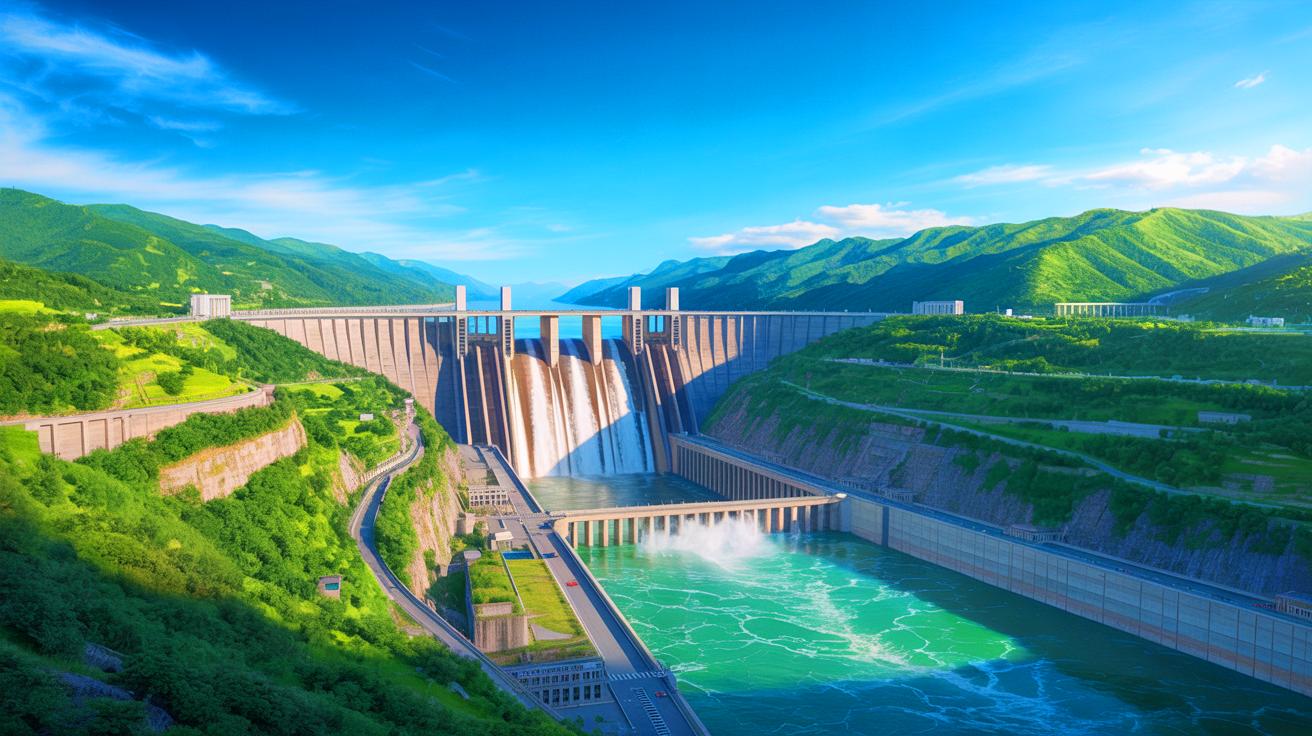
In recent years, the extent of human impact on our planet has become a topic of intense scrutiny. Among these impacts is the subtle effect of massive infrastructure projects on the Earth’s rotation. Notably, the Three Gorges Dam in China has been identified as a structure with potential global consequences. As the largest hydroelectric dam in the world, it exemplifies humanity’s ability to alter natural systems, leading to questions about the broader implications of such developments. Understanding these effects is crucial as we continue to build larger and more complex structures.
The Monumental Impact of Human-Made Structures
The Three Gorges Dam is a testament to human engineering and ambition. Completed in 2012, its construction spanned nearly two decades and required tremendous resources. Situated in Hubei Province, the dam serves multiple purposes, from flood control to energy production. Despite its vast capabilities, it only meets about 3% of China’s energy requirements, far below initial expectations. However, its impact extends beyond energy. NASA has confirmed that such structures can influence the Earth’s rotation, albeit subtly, by redistributing mass. This adjustment, though minuscule, highlights the interconnectedness of human activity and planetary dynamics.
The implications of this are profound. As we construct increasingly large infrastructures, we must consider their long-term effects on global systems. The relationship between human activity and the natural world is complex, and our understanding of it is continually evolving. With projects like the Three Gorges Dam, we are reminded that our actions can have far-reaching consequences beyond their immediate benefits.
Understanding Earth’s Rotation and Mass Redistribution
Earth’s rotation is a delicate balance influenced by various factors, including mass distribution. Natural events such as earthquakes have been known to affect this balance. For instance, the 2004 Indian Ocean earthquake altered Earth’s rotation, shortening the day by 2.68 microseconds. Similarly, the Three Gorges Dam, with its massive reservoir, could slow Earth’s rotation by 0.06 microseconds when filled to capacity. This change, though seemingly insignificant, is an example of how human structures can alter natural processes.
This phenomenon can be likened to an ice skater bringing their arms closer to spin faster. The redistribution of water in the dam’s reservoir changes the moment of inertia, affecting Earth’s rotation. While these changes are minute, they underscore the need for further research into how large-scale projects influence natural systems. The potential effects on timekeeping, navigation, and even climate patterns are areas of ongoing study and concern.
Global Implications and the Need for Further Research
As we continue to develop and expand, the broader implications of our actions on Earth become ever more critical. The interplay between human-made structures and natural systems raises important questions about sustainability and environmental impact. The Three Gorges Dam is a prime example of a project with both immediate and long-term effects. Its role in energy production and flood control is vital, yet its impact on Earth’s rotation is a reminder of the complex relationship between infrastructure and the environment.
Understanding these interactions is essential for future planning and development. As we push the boundaries of engineering, we must also consider the potential consequences of our actions on a global scale. This requires a multidisciplinary approach, combining insights from engineering, environmental science, and policy-making. By doing so, we can better anticipate and mitigate the unforeseen effects of our ambitious projects.
Exploring the Future of Human Impact on Earth
The challenges posed by human impact on Earth’s rotation and other natural systems are significant. As we continue to build and innovate, the need for a comprehensive understanding of these effects becomes increasingly important. The Three Gorges Dam serves as a reminder of the potential consequences of large-scale infrastructure projects. It highlights the necessity of considering environmental and global impacts in our planning and development efforts.
Looking ahead, we must ask ourselves how we can balance the pursuit of technological advancement with the responsibility of preserving our planet. What measures can we take to ensure that our actions today do not have unintended negative consequences for future generations? As we navigate this complex landscape, these questions will guide our efforts toward a more sustainable and harmonious relationship with the natural world.

Is it true that the dam only meets 3% of China’s energy needs? That’s surprising! 🤔
Wow, I had no idea a dam could affect Earth’s rotation. Nature and technology are truly interconnected!
Can someone explain how a dam can alter the Earth’s rotation? I’m intrigued but confused! 😅
This sounds like a sci-fi movie plot. Earth’s rotation being affected by a dam? Unbelievable!
Great article! More research is definitely needed on the global effects of human-made structures.
Is this why time seems to fly faster these days? 🤣
How does mass redistribution in structures like the Three Gorges Dam affect timekeeping systems?
Seems like we’re playing with forces we barely understand. Quite concerning! 😟
Really makes you think about the long-term effects of our engineering projects. Thanks for the insight!
Interesting piece. I wonder if there are other infrastructure projects with similar impacts?