



| IN A NUTSHELL |
|
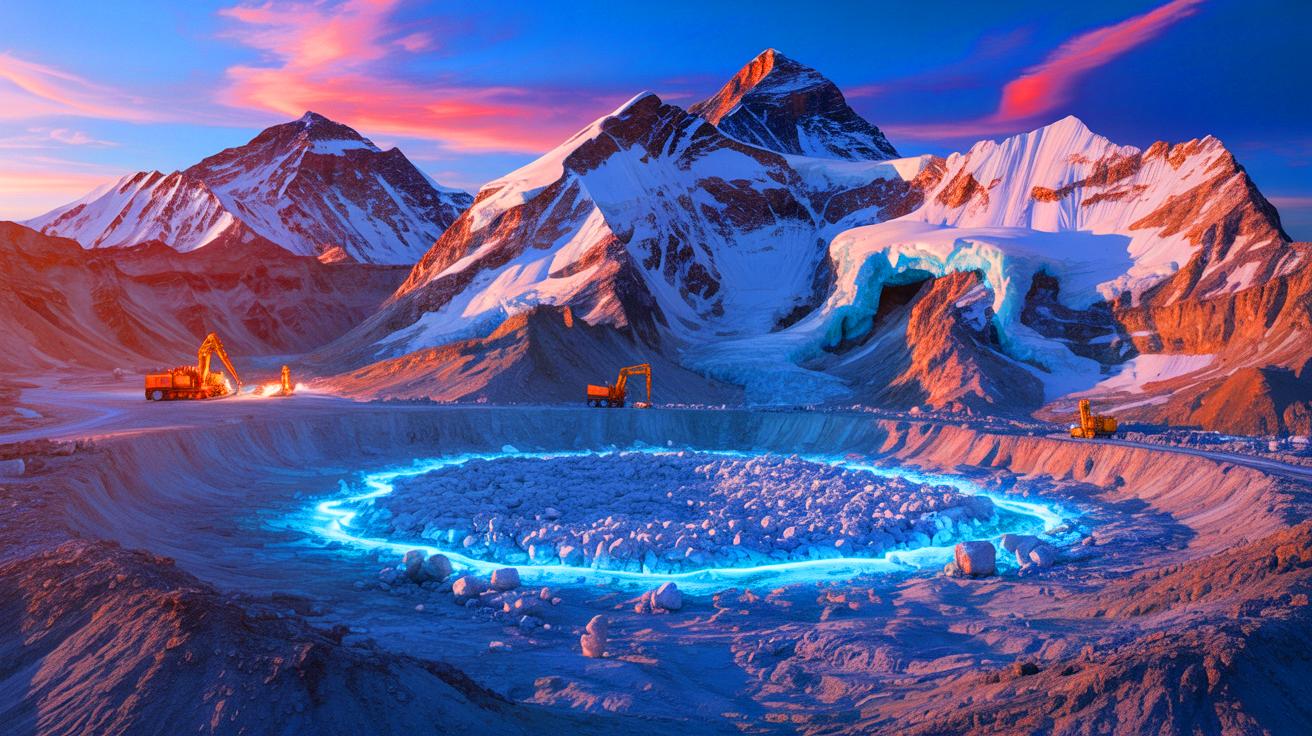
In a discovery that has captured global attention, Chinese scientists have uncovered a significant lithium deposit high in the Himalayan region near Mount Everest. This find, situated at altitudes between 17,700 and 18,300 feet, represents China’s third-largest lithium reserve and holds over one million tons of lithium oxide. While this “white gold” is crucial for powering electric vehicles and electronics, its discovery raises urgent questions about the environmental and geopolitical implications of extracting this valuable resource. The debate is intensifying as experts assess the potential impact on fragile ecosystems and global supply chains.
The Significance of the Lithium Discovery
The lithium deposit, found near the Qiongjiagang Peak in the Qinghai-Tibet Plateau, could potentially reshape the global supply chain for this critical mineral. Lithium oxide, the form found in this deposit, is essential for manufacturing batteries used in electric vehicles and other electronics. The site, rich in hard-rock spodumene, is similar to deposits found in Australia and is considered high-grade. With its location just three miles outside the Mount Qomolangma Nature Reserve, this discovery represents one of the most promising mining prospects worldwide.
Chinese geologists believe that this deposit could significantly contribute to sustainable energy efforts. As the world pivots towards green energy solutions, lithium plays a central role in reducing carbon emissions. However, the environmental and logistical challenges of mining at such high altitudes are considerable. The discovery is still in its early exploration stages, and the potential for large-scale mining operations is being carefully evaluated.
Environmental and Logistical Concerns
The prospect of mining lithium at such a high altitude has raised significant environmental and logistical concerns. The region around Mount Everest is part of the greater Himalayas, an ecologically sensitive zone with glacier-fed rivers. Any mining activity in this area risks contaminating water sources and accelerating glacier melt. This ecological fragility is a major concern for scientists and conservationists.
Moreover, the carbon cost of extracting lithium in such a harsh environment could undermine global climate goals. While lithium is a cornerstone of the green energy transition, the energy-intensive nature of high-altitude hard-rock mining could negate the climate benefits of using lithium as a sustainable energy source. These environmental complications are compounded by the social and geopolitical implications of expanding China’s dominance in the global lithium supply chain.
The New “White Gold” and Geopolitical Implications
As lithium is increasingly dubbed the “new oil” due to its abundant supply, its extraction comes with significant trade-offs. The Everest region’s lithium potential highlights the tension between harnessing this resource and preserving the climate. While an American mine has emerged as a competitor with 40 million metric tons of lithium, China continues to solidify its position as a global leader in lithium production.
China’s control over a large portion of the global lithium chain could strengthen global dependence on its supply, raising environmental and geopolitical concerns. The potential environmental degradation in geopolitically sensitive lands adds another layer of complexity to the mining debate. This situation underscores the need for careful consideration of the broader impacts of lithium extraction.
China’s Laser Fusion Center Terrifies: Are You Ready for the New Nuclear Threat?
China’s Path to Lithium Dominance
China’s recent lithium find near Mount Everest underscores its growing influence in the global lithium market. As the world races to decarbonize, the extraction of lithium from such high-altitude sources could jeopardize ecosystems that support life. While a clean energy future is within reach, the costs and challenges of mining lithium in such regions must be carefully weighed.
In pursuit of energy solutions, China is also exploring alternative battery technologies that may challenge the dominance of lithium. These innovations could reshape the landscape of energy storage and reduce reliance on lithium extraction in sensitive areas. As the global community navigates these complex issues, questions remain about the balance between energy needs and environmental preservation.
The discovery of lithium near Mount Everest presents both opportunities and challenges in the quest for sustainable energy. As China positions itself as a dominant player in the global lithium market, the environmental and geopolitical implications of this discovery must be carefully considered. How can we ensure that the pursuit of green energy does not come at the expense of fragile ecosystems and global stability?

Wow, lithium on Everest! What’s next, oil on the Moon? 😄
Wow, “white gold” sounds like a fancy way to say “we’re in trouble.
Is it really worth risking Everest’s ecosystem for lithium? 🤔
Isn’t mining near Everest a bit too extreme? What about the locals and their environment?
Thank you for highlighting the environmental concerns. We can’t ignore them!
Is there any plan to involve international organizations in this project?
Why does it always have to be China? 🤔
China’s dominance in lithium is worrying… what about alternative sources?
Interesting article. Still, how will the altitude affect mining operations?
Thanks for the article! But I’m curious, how will this affect global lithium prices?
Hope they consider the ecological impact. Everest is a treasure! 🌍
What are the potential benefits for local communities in Tibet?
Can someone please think of the Yeti? 🦣
Lithium is crucial, but let’s not forget about biodiversity! 🦋
This is the new “white gold rush”! But at what cost?