




| IN A NUTSHELL |
|
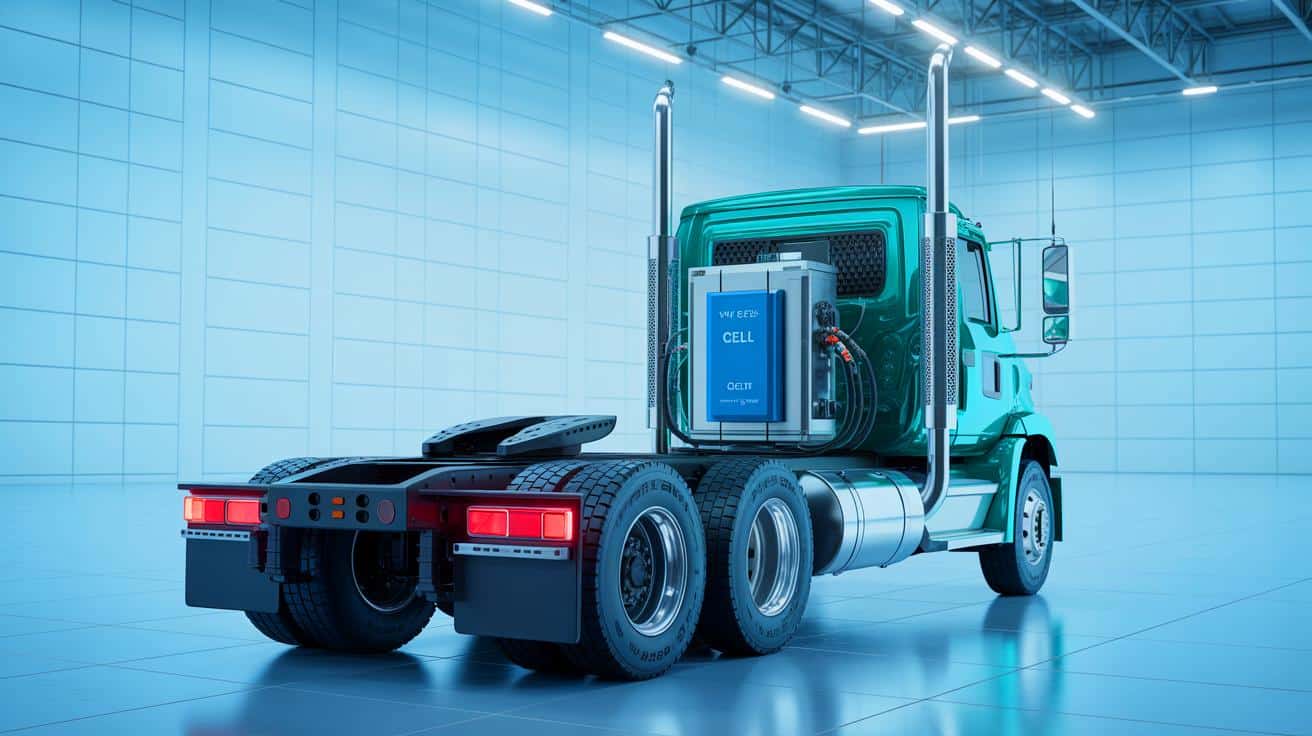
In the quest for cleaner energy solutions, fuel cells are emerging as a promising alternative for heavy-duty vehicles. Intelligent Energy has recently introduced its groundbreaking 200-kW IE-DRIVE HD system, marking a significant advancement in the field. This innovative system is described as a “first-of-its-kind” multi-input, multi-output DC-DC converter, offering practicality and zero emissions. The challenge lies in replacing traditional engines, especially in the heavy vehicle sector, which contributes significantly to carbon emissions. By utilizing a variety of fuels, including hydrogen and natural gas, fuel cells offer versatility. However, the journey to achieving power efficiency in a compact form remains ongoing.
Revolutionizing Heavy-Duty Transportation
The introduction of the IE-DRIVE HD system by Intelligent Energy marks a pivotal moment in the heavy-duty vehicle industry. Heavy vehicles, such as trucks, are responsible for approximately two gigatonnes of carbon dioxide emissions annually. This creates a pressing need for cleaner energy alternatives. Traditional engines in these vehicles are known for their high power output and efficiency, essential for an industry with narrow profit margins. The challenge has been to develop an energy source that can meet these demands while reducing environmental impact.
Fuel cells present a compelling solution, primarily due to their ability to operate on multiple fuels. Hydrogen is often the preferred choice, but other options include methanol, ethanol, and even ammonia. This flexibility allows fuel cells to circumvent some of the infrastructure challenges faced by electric and hydrogen vehicles, making them a viable option for the heavy-duty sector.
Technological Breakthroughs and Challenges
Intelligent Energy’s IE-DRIVE HD system stands out for its use of multiple fuel stacks, which can integrate seamlessly to surpass the previous industry benchmark of 150 kW. This multi-stack approach is crucial, as other systems have claimed to achieve 200 kW using a single stack. The new system aims to provide a robust, zero-emission solution for heavy-duty vehicles. It boasts simplified vehicle integration, extended lifespan, and is ready for certification, enhancing its attractiveness for commercial applications.
Despite these advancements, the technology still faces hurdles. For modern heavy trucks, a power output of 298 kW is considered minimal, with some combustion engines reaching up to 582 kW effortlessly. This highlights the ongoing challenge for fuel cells to match the power and efficiency of well-established combustion engines. Achieving this balance is crucial for fuel cells to become a mainstream energy source in the heavy vehicle sector.
The Promise of Multi-Fuel Capability
One of the most compelling aspects of fuel cells is their ability to operate on a diverse range of fuels. While hydrogen is the primary focus, these cells can also utilize methanol, natural gas, and even carbon monoxide. This adaptability allows fuel cells to overcome some infrastructure challenges, as they do not rely solely on hydrogen fueling stations. This flexibility is a significant advantage over electric vehicles, which require extensive charging infrastructure.
The potential to use multiple fuels makes fuel cells a versatile and attractive option for various applications. However, the challenge remains to develop a fuel cell system that is compact and light enough to be practical for heavy vehicles. Meeting existing regulatory requirements while achieving high power output is a complex task that developers must address to ensure widespread adoption.
Future Prospects and Industry Impact
The introduction of Intelligent Energy’s IE-DRIVE HD system is a significant step towards achieving zero-emission heavy-duty transportation. The system’s ability to integrate multiple fuel stacks and its readiness for certification position it well for future applications. However, the journey to replace traditional combustion engines with fuel cells is far from over. The industry must continue to innovate and address challenges related to power output, efficiency, and regulatory compliance.
As the demand for cleaner energy solutions grows, the potential impact on the transportation industry is profound. Fuel cells offer a promising pathway to reducing emissions and enhancing energy efficiency. The question remains: how quickly can these technologies be developed and adopted to meet the pressing needs of the industry and the environment?
As Intelligent Energy and other companies continue to advance fuel cell technology, the potential for revolutionizing heavy-duty transportation is significant. The flexibility of fuel cells to utilize multiple fuels offers a unique advantage over traditional energy sources. However, the challenge of achieving the necessary power output and efficiency remains. How will the industry overcome these hurdles, and what role will fuel cells play in the future of sustainable transportation?



Wow, could this really spell the end for diesel engines? 🤔
Wow, this could really be the end of diesel! 🚛💨
How soon can we expect these fuel cells to be widely available?
How long until we see these fuel cells in action on the roads?
This sounds promising, but can it really match the power of traditional engines?
Thank you for sharing this promising news! It’s about time we see real change in heavy transportation. 🌱
Great to see innovation in reducing emissions. Thanks for the article! 🌿
Sounds great, but isn’t hydrogen still pretty expensive?
Finally, a step towards cleaner heavy-duty transport. About time!
Wait, so does this mean trucks will be quieter too? 🤔
Are there any safety concerns with using hydrogen as a fuel?
What’s the cost comparison between these fuel cells and diesel engines?
Great article! But can these fuel cells handle extreme weather conditions?
Can they really use carbon monoxide as fuel? That sounds risky!