




| IN A NUTSHELL |
|
In the realm of renewable energy, the pursuit of sustainable and reliable power sources is relentless. While solar and wind energy often dominate the conversation, a quieter contender is emerging on the global stage: osmotic energy. This innovative approach harnesses the natural phenomenon that occurs when fresh and salt water mix, creating a potential energy source at river mouths and desalination plants. With the recent opening of a full-scale osmotic power facility in Fukuoka, Japan, the potential of this renewable energy source is beginning to be realized. Could osmotic energy become a key player in diversifying the world’s energy portfolio?
The Science Behind Osmotic Energy
Osmotic energy is generated through a simple but effective process. When fresh water and salt water are separated by a semi-permeable membrane, water molecules naturally move to balance the salinity difference. This movement generates pressure, which can be used to spin a turbine, producing electricity. This method does not rely on combustion or emit greenhouse gases, making it an environmentally friendly alternative.
This energy source stands out because it operates independently of weather conditions. Unlike solar and wind, which depend on sunlight and wind availability, osmotic energy provides a continuous power supply. This reliability offers a significant advantage, especially in regions where weather patterns are unpredictable. As the world seeks stable and sustainable energy solutions, osmotic power presents a promising option.
From Prototypes to Reality
The journey from concept to reality for osmotic energy has been long and challenging. The first significant breakthrough occurred in 2009 when the Norwegian company Statkraft built a prototype osmotic power plant. This four-kilowatt demonstration model proved the concept’s viability but faced financial and technical hurdles. As a result, the technology remained in the developmental phase for years.
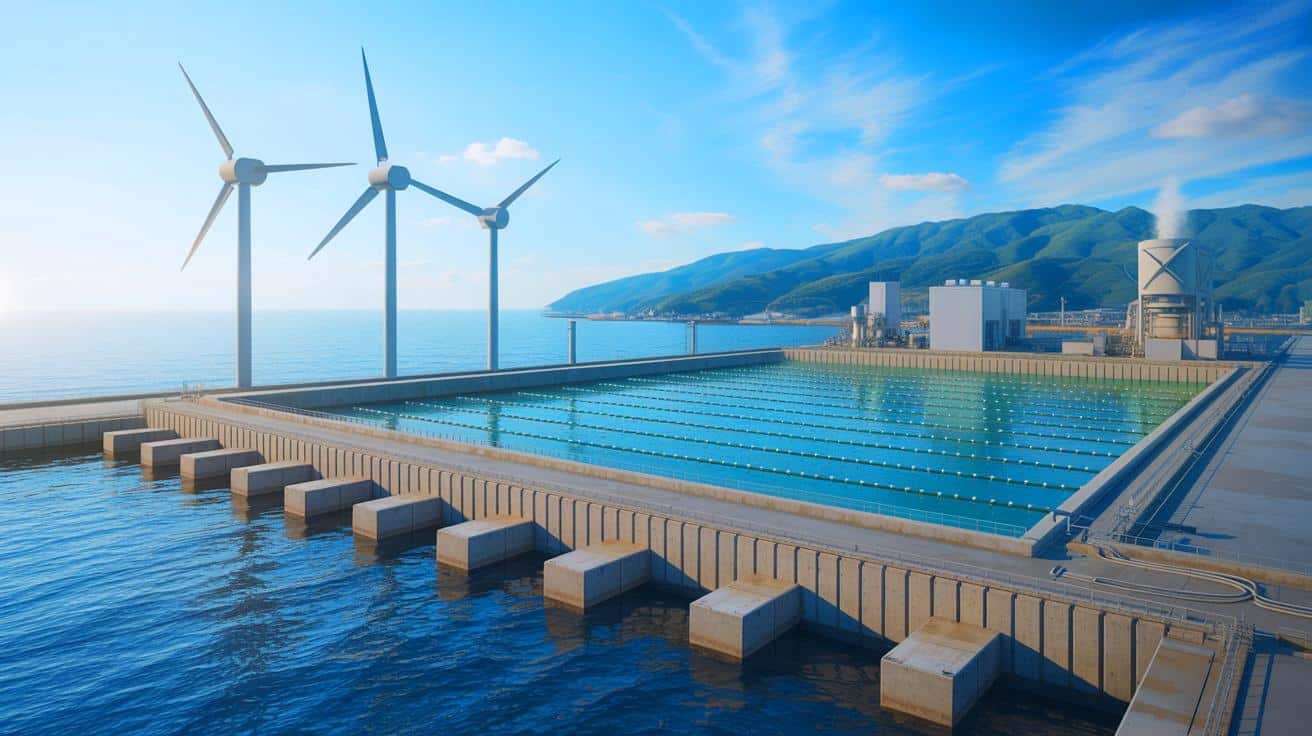
The recent establishment of a full-scale facility in Fukuoka represents a major step forward. This plant, a collaboration between the National Institute for Materials Science and local partners, is designed for continuous energy output. It is the second such facility worldwide, following a similar plant in Denmark. Although modest in scale, Fukuoka’s facility generates enough electricity to power 220 households annually, demonstrating the practical application of osmotic energy.
Innovative Integration with Desalination
What sets the Fukuoka plant apart is its integration with a desalination facility. By utilizing the concentrated brine waste from desalination, the plant achieves a greater salinity contrast, enhancing efficiency. This approach not only optimizes energy production but also addresses environmental concerns by repurposing waste material.
However, challenges remain. Pumping losses and membrane fouling can reduce efficiency, and the cost of advanced membranes is high. Despite these obstacles, the integration of osmotic power with existing infrastructure marks a significant engineering achievement. It highlights the potential for renewable energy sources to complement one another, contributing to a more resilient and diverse energy grid.
The Future of Osmotic Energy
The potential for osmotic energy is vast, with researchers suggesting it could one day rival hydropower if costs continue to decline. This renewable energy source could play a crucial role in diversifying energy grids, providing a steady supply of power in various locations, including estuaries, desalination plants, and inland salt lakes.
While osmotic power may not achieve the scale of solar or wind energy, it does not need to. Its continuous, reliable output makes it a valuable addition to the renewable energy landscape. As energy demands grow and the need for sustainable solutions becomes more urgent, osmotic power offers a viable path forward.
The emergence of osmotic energy as a practical power source represents a modest yet significant step toward a more sustainable energy future. By harnessing the natural interaction between salt and fresh water, this technology offers a reliable and environmentally friendly alternative to traditional energy sources. As the world continues to explore renewable energy options, could osmotic power become a cornerstone of our sustainable future?


This is amazing! Finally, a renewable energy source that isn’t weather-dependent. 🌞🌧️
Wow, powering cities with saltwater? That’s mind-blowing! 🌊🌟
Isn’t the cost of membrane technology a bit too high for widespread use?
Is the technology scalable? Can it power a whole city or just small communities?
Thank you for this insightful article! I had no idea osmotic energy was so promising. 😊
Could this technology be implemented in coastal cities around the world?
How much does it cost to build one of these osmotic plants? 💰
How does this compare in efficiency to solar or wind energy?
I’m skeptical. What happens when the membranes get clogged? 🤔
Sounds like sci-fi to me. Mixing salt and fresh water to power cities? 🤔
Finally, a renewable energy source that doesn’t depend on the weather! 🌞🌧️
Does osmotic power have any environmental downsides we should know about?
Thank you for sharing this! It’s great to see innovation in renewable energy. 🌍
Great read! Can osmotic energy plants scale up to power larger cities?