




| IN A NUTSHELL |
|
In the quest for sustainable waste management, researchers are making significant strides in recycling technologies. Among these advancements is a groundbreaking method developed by Japanese scientists for recycling polytetrafluoroethylene (PTFE), commonly known as Teflon. This innovative technique involves the use of electron beam technology to efficiently decompose this notoriously persistent material. By drastically reducing the energy required for its breakdown, the process not only promises economic benefits but also contributes to the global fight against environmental pollution caused by “forever chemicals.” This article delves into the details and implications of this cutting-edge technology.
Understanding Electron Beam Technology
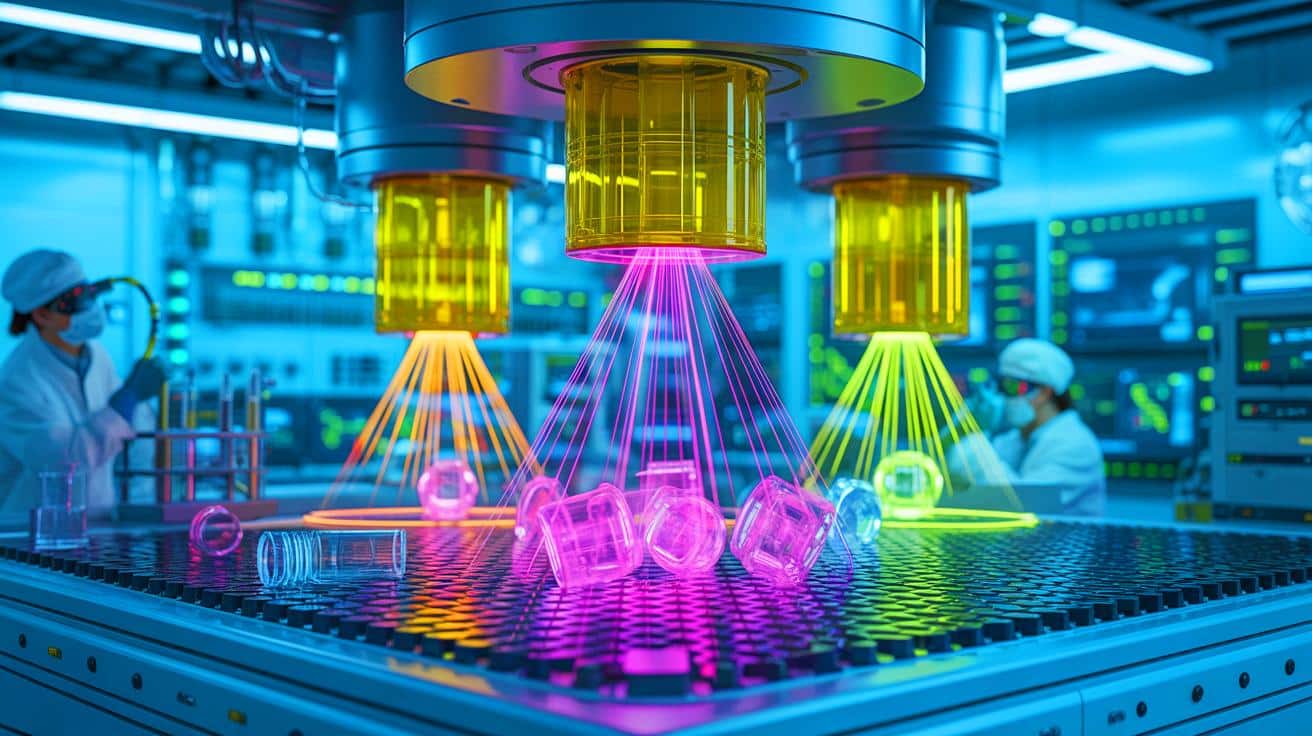
Electron beam technology is at the forefront of modern recycling techniques, particularly for materials like PTFE. This method leverages moderate heat combined with electron beam irradiation to break down the robust structure of PTFE. Initially, results at room temperature were modest, achieving only a 10% decomposition rate. However, at 518 °F, the decomposition efficiency dramatically increased to 86%, and complete decomposition was achieved at 698 °F. This conversion process transforms solid PTFE into gaseous byproducts such as oxidized fluorocarbons and perfluoroalkanes, which can be repurposed in chemical manufacturing.
The energy efficiency of this method marks a departure from traditional pyrolysis, which is energy-intensive. As Dr. Akira Idesaki, a senior principal researcher, points out, this technique reduces energy requirements from 2.8 to 4 MWh per ton, making it not only more sustainable but also feasible for large-scale industrial applications. The dual benefits of this innovation—enhanced recycling efficiency and reduced energy consumption—underscore its potential to revolutionize the recycling industry.
Transformative Changes in PTFE Structure
Beyond decomposition, electron beam technology induces significant changes in PTFE’s molecular structure. This restructuring is critical to the increased efficiency observed at elevated temperatures. PTFE’s inherent durability, due to its strong carbon-fluorine bonds, categorizes it within the PFAS family, often called “forever chemicals” for their environmental persistence. While these properties are advantageous in industrial contexts, they pose considerable environmental challenges.
The new recycling method addresses these challenges head-on, offering a process that is both environmentally safer and more cost-effective. According to Dr. Yasunari Maekawa, the project lead, this advancement could pioneer cleaner recycling practices for high-performance plastics, reducing their environmental impact significantly.
Global Initiatives to Address PFAS Challenges
The persistent nature of “forever chemicals” like PFAS has sparked a global effort to find innovative recycling solutions. A noteworthy initiative comes from the University of Leicester, where researchers developed a sound wave technique for material separation. This method, as described by Dr. Jake Yang, is both scalable and straightforward, enabling the separation of PFAS membranes from precious metals without harsh chemicals.
These innovations are crucial in mitigating the ecological and health risks associated with hazardous chemicals. The growing awareness and need for sustainable solutions highlight the importance of continued research and international collaboration. As these efforts advance, they present a promising avenue for creating a more environmentally responsible future.
The Potential for Future Innovations in Recycling
In addressing the environmental challenges of plastic waste, technologies like electron beam recycling of PTFE offer a promising path forward. By reducing energy consumption and enabling resource reuse, such methods improve both economic viability and environmental sustainability. The conversion of solid waste into valuable feedstock could revolutionize industrial waste management practices.
Integrating these technologies into mainstream recycling could significantly mitigate the environmental impact of plastics. As researchers refine these processes, the vision of a cleaner, more sustainable future becomes more tangible. How might these innovations reshape global recycling strategies, and what new breakthroughs could they inspire in the ongoing battle against plastic pollution?
As the world moves towards more sustainable practices, innovations in recycling technology like the electron beam method provide essential solutions. These advancements not only address the immediate challenges of plastic waste but also pave the way for future progress. What role will government policies and international cooperation play in furthering these technological developments, and how can societies worldwide adapt to these changes?


Wow, this sounds like something out of a sci-fi movie! Are we really on the brink of a recycling revolution? 🤯
This is amazing! Finally, a solution to the “forever chemicals” problem. Thank you, scientists! 🙏
Could this technology be applied to other types of plastics, or is it specific to PTFE?
I’m skeptical. It sounds too good to be true. What are the potential downsides of this process?
Great work! But how long until this technology is widely available?
Is there a risk that these gaseous byproducts could be harmful to the environment?
This is what happens when science meets innovation. Incredible! 🔬
How does this affect the current recycling infrastructure? Will there be a need for new facilities?
Can someone explain what electron beam technology is in layman’s terms? 🤔
I’m impressed, but why did it take so long to come up with this solution?
Just curious, how much does it cost to set up this kind of recycling facility?
Finally, a step towards solving the plastic problem. Thank you, Japan! 🇯🇵
How does this compare to other recycling methods in terms of cost and efficiency?
Could this technology potentially replace traditional recycling methods in the future?
Awesome development! But what are the health implications of working with electron beams?
Sounds promising, but I hope they consider the socioeconomic impacts of this shift.
What role does government policy play in implementing this technology globally?
It’s about time we had a breakthrough like this. Let’s hope it’s as effective as it sounds!
Can this process be adapted for home use, or is it strictly industrial? 🏠
Will this technology reduce the price of recycled plastics in the market? 💲
Does anyone else feel like we’re living in the future? This is mind-blowing! 🚀
Have any real-world trials been conducted, or is this still in the experimental phase?
The future of recycling looks bright, but how quickly can we transition to these new methods?
Is there any information on the lifecycle of these gaseous byproducts? Are they truly safe?
What impact will this have on industries that rely heavily on PTFE?
I’m cautiously optimistic. Let’s see if this technology lives up to the hype.
More power to the scientists and researchers making this happen! 🙌
How will this affect the global efforts to reduce plastic waste in oceans and landfills?
Is this the beginning of the end for “forever chemicals”? Let’s hope so! 🤞
Are there any environmental risks associated with the use of electron beams?
Can this technology help in reducing the carbon footprint of the plastics industry?
Is there a timeline for when this technology will be implemented on a large scale?
Thank you for the detailed article! It’s exciting to see progress in recycling technology.